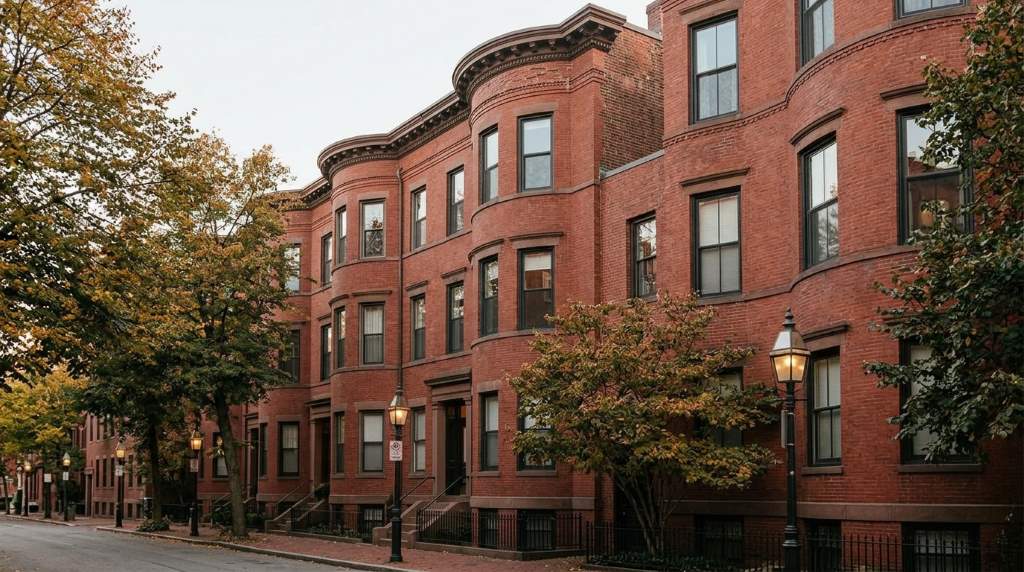

Victorian homes add timeless beauty, yet upper room cracks often concern many homeowners. Nearly 65% of historic homeowners report plaster damage during routine inspections. Additionally, seasonal movement affects thousands of aging residential properties every year. Early action, including repair sagging plaster ceiling methods, helps preserve original architectural details before structural problems become expensive.
Understanding why these cracks appear allows homeowners to respond confidently before damage spreads further. This guide explains common causes, warning signs, inspection methods, repair options, and prevention strategies using practical advice. Every section focuses on preserving historic character while improving long term structural stability.
Understanding Why Victorian Upper Rooms Develop Cracks
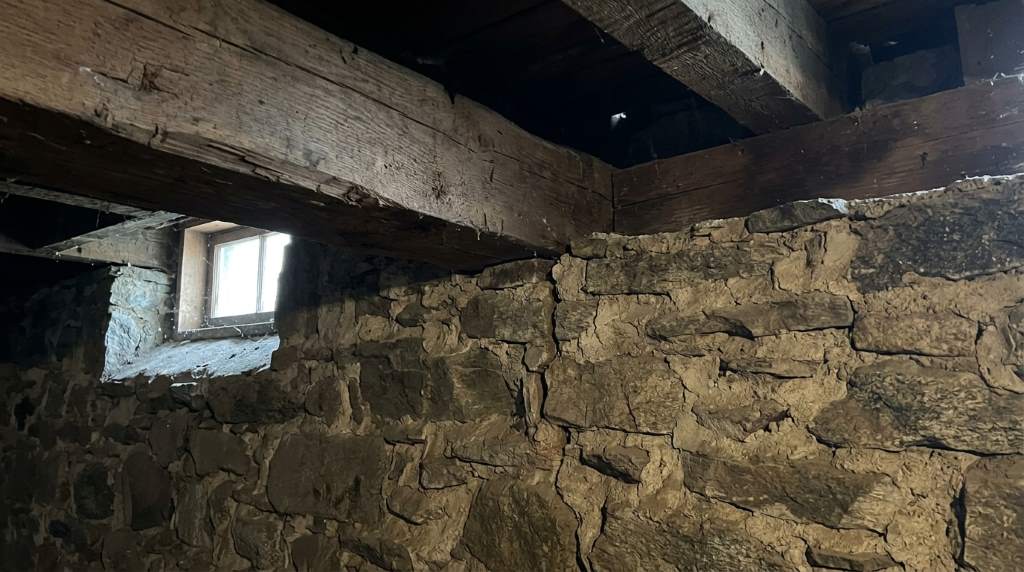
Victorian homes were built with traditional materials that naturally react to changing environmental conditions. Furthermore, aging wood framing gradually shifts after decades of seasonal expansion and contraction.
Older plaster walls remain durable, yet they become less flexible over many decades. Meanwhile, moisture changes slowly weaken plaster keys that secure ceilings and walls together.
Regular home inspections reduce unexpected repair costs before visible structural damage becomes severe. Homeowners also benefit from regular plumbing maintenance because unnoticed leaks often accelerate plaster deterioration.
Why Upper Floors Show Damage First
Upper rooms experience stronger movement because roof structures directly transfer seasonal stresses downward. Consequently, ceilings and wall joints usually reveal the earliest visible cracking.
Historic framing often settles unevenly after repeated weather cycles across many decades. Therefore, upper bedrooms frequently display longer diagonal cracks than lower living spaces.
Common Causes Behind Cracks in Victorian Homes
Several conditions usually combine instead of creating damage through one isolated problem alone. Identifying every contributing factor ensures repairs remain effective for many years.
- Natural foundation settlement over time
- Seasonal humidity expansion and contraction
- Roof leaks affecting plaster integrity
- Aging wooden framing movement
- Previous poor quality repairs
- Heavy attic loads increasing structural stress
Loose ceiling components deserve immediate attention because they may indicate hidden framing movement. Likewise, learning ceiling fan mounting bracket issues helps identify nearby structural weaknesses before installing new fixtures.
Foundation Settlement
Older masonry foundations slowly settle as surrounding soil changes throughout different seasons. As a result, upper rooms often develop stair step or diagonal cracking patterns.
Moisture Related Damage
Water remains one of the biggest threats to historic plaster and wooden framing. Consequently, hidden leaks gradually soften supporting materials before cracks become visible indoors.
Temperature Changes
Wood naturally expands during humid weather before shrinking in drier conditions throughout the year. Repeated movement eventually separates brittle plaster from supporting wooden lath.
Recognizing Warning Signs Before Serious Damage Appears
Hairline cracks rarely indicate immediate structural failure, yet they deserve careful observation. However, widening gaps often signal movement requiring professional evaluation without unnecessary delay.
Pay close attention whenever doors suddenly stick or windows stop closing smoothly. These changes frequently accompany gradual structural movement affecting nearby wall surfaces.
Lighting also influences how easily homeowners notice developing surface imperfections inside historic rooms. Installing suitable light fixtures bedroom ceilings improves visibility during routine maintenance inspections.
Signs That Need Immediate Inspection
- Cracks wider than one quarter inch
- Ceilings showing noticeable sagging
- Bulging plaster surfaces
- Large gaps around windows
- Persistent water stains
- Visible framing movement
How Professionals Diagnose Victorian Home Cracks
Experienced inspectors begin by evaluating the home’s overall structural condition before recommending repairs. Next, they identify moisture sources and framing movement causing visible surface damage.
Modern inspection equipment detects hidden moisture without removing original plaster finishes unnecessarily. Therefore, homeowners receive accurate recommendations while preserving valuable historic materials.
Structural Assessment
Professionals inspect foundations, beams, joists, rafters, and supporting walls during comprehensive evaluations. Every observation helps determine whether cosmetic repairs alone will solve existing problems.
Moisture Testing
Inspectors measure moisture levels inside plaster, framing, and nearby insulation materials carefully. This process identifies concealed leaks before extensive restoration work begins.
Effective Repair Solutions for Historic Upper Rooms
Successful repairs address both visible cracks and the underlying structural cause simultaneously. Otherwise, repaired plaster often develops similar damage within a relatively short period.
Historic restoration specialists typically preserve original plaster whenever practical instead of replacing entire surfaces. Preserving authentic materials protects architectural value while maintaining historic character.
Repair Options
- Reattach loose plaster using specialized restoration methods
- Repair damaged wood framing carefully
- Stabilize foundations when required
- Seal moisture entry points completely
- Restore decorative moldings professionally
- Repaint using breathable finishes
Preventing Future Cracks in Victorian Homes
Preventive maintenance always costs less than extensive structural restoration after serious deterioration develops. Consistent inspections help homeowners identify changing conditions before expensive damage appears.
Maintain balanced indoor humidity because excessive dryness increases plaster shrinkage significantly over time. Likewise, prompt roof repairs prevent moisture from weakening original structural components.
Simple Preventive Practices
- Inspect attic spaces twice yearly
- Repair roof leaks immediately
- Monitor foundation movement regularly
- Control indoor humidity levels
- Check plumbing connections frequently
- Schedule professional inspections periodically
When Should You Call a Restoration Specialist?
Professional assistance becomes necessary whenever cracks continue growing despite previous cosmetic repairs. Specialists understand historic construction techniques that modern contractors sometimes overlook.
Choosing experienced restoration professionals protects valuable architectural details while improving long term structural performance. Their specialized knowledge helps preserve both appearance and historical authenticity.
Conclusion
Victorian upper room cracks develop from several connected factors including aging materials, moisture, settlement, and seasonal movement. Understanding these causes helps homeowners make informed maintenance decisions before problems become severe.
Protect your historic home through regular inspections, timely repairs, and qualified restoration services whenever warning signs appear. Taking action today preserves your property’s beauty, safety, and long lasting structural integrity.
Frequently Asked Questions
Are all plaster cracks dangerous?
No, many hairline cracks remain cosmetic unless they continue expanding.
Can humidity create ceiling cracks?
Yes, changing humidity causes wood movement that stresses older plaster surfaces.
Should I repair small cracks immediately?
Yes, early repairs prevent moisture entry and reduce future restoration costs.
How often should Victorian homes receive inspections?
A professional inspection every few years helps identify developing structural concerns.
Can original plaster usually be preserved?
Yes, skilled restoration specialists often repair and preserve original historic plaster successfully.