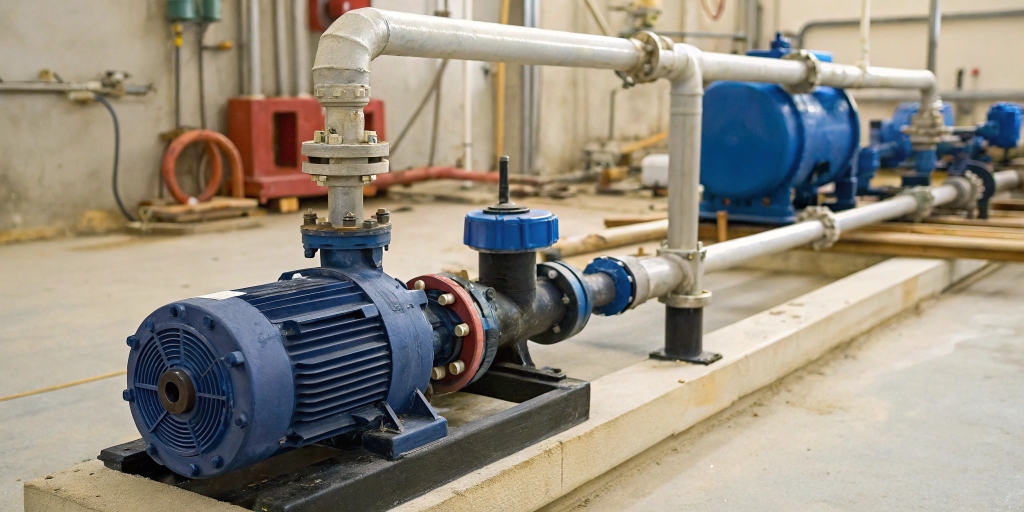

Key Takeaways
- Routine maintenance prevents many common water pump failures.
- Early detection of issues reduces repair costs and limits downtime.
- Correct installation and usage habits support pump longevity.
Water pumps play a pivotal role in both residential and industrial settings, delivering a reliable water supply and enabling countless daily operations. Despite their importance, water pumps can experience a range of issues that impact performance and longevity. The good news is that informed users can prevent many failures by staying proactive and attentive to warning signs. Whether you are dealing with a well, an irrigation system, or a process system, understanding the root causes and fixes is vital. If you encounter persistent problems, seeking water pump repair from seasoned experts can help restore functionality and prevent future breakdowns. Diagnosing water pump problems early and maintaining a regular service schedule can greatly reduce the possibility of unexpected downtime. Timely response to unusual noises, leaks, or pressure drops not only extends the life of your pump but also protects the entire water system from prolonged damage. Routine inspections, proper installation, and adherence to operational guidelines all contribute to keeping pumps running smoothly and cost-effectively. Proactive upkeep is especially important for those who rely on private wells or agricultural installations. Spotting early symptoms of mechanical trouble can minimize repair expenses and limit water supply interruptions. If your needs extend beyond repairs to include new installations, understanding the value of experienced well drilling services is equally crucial for maintaining optimal water access.
Common Causes of Water Pump Failures
There are several common causes of water pump problems that, if left unchecked, can lead to premature wear or complete system failure. Familiarizing yourself with these causes enables you to implement preventive measures and troubleshoot effectively when symptoms arise.
1. Cavitation
Cavitation is a destructive phenomenon that occurs when vapor bubbles form inside the pump due to excessive suction vacuum or high-speed operation. When these bubbles collapse, they create shockwaves that chip away at pump components, leading to noise, vibration, and eventual mechanical failure. To prevent cavitation, ensure that the net positive suction head (NPSH) requirements are met and that intake lines remain unobstructed. For further insight, consult articles from established industry resources such as Engineering Toolbox.
2. Seal and Gasket Leaks
Water pump seals and gaskets are responsible for containing fluids within the pump assembly. Over time, seals may degrade due to chemical attack, temperature fluctuations, or simple wear and tear. Faulty installation and the use of incompatible materials can also cause leaks. Routine inspection helps spot small leaks before they escalate, while using manufacturer-recommended replacement parts ensures a better fit and durability.
3. Bearing Failure
Bearings support the rotating assembly within the pump. Improper lubrication, contamination, or shaft misalignment can accelerate their wear, often manifested as increased noise and vibration. To avoid sudden bearing failure, maintain a clean lubrication schedule and check for signs of shaft wobble during routine maintenance.
4. Impeller Damage
Impellers perform the vital job of moving water through the pump. Foreign debris, abrasive solids, or corrosive water chemistry can cause pitting or significant erosion to the impeller blades. Installing strainer baskets or filters at the intake and periodically checking for wear will help preserve impeller efficiency and performance.
5. Motor Overheating
Pump motors can overheat for a variety of reasons, including overloading, poor electrical supply, or blocked airflow around the motor enclosure. Such conditions can quickly degrade insulation and motor windings. Always match pump sizing to system demands and keep ventilation paths free of dust and clutter to help maintain steady operating temperatures.
6. Misalignment and Improper Installation
Improper installation often results in shaft misalignment, excessive vibration, and stress on other components. Using precision alignment tools and ensuring a stable mounting foundation are important first steps to prevent many startup problems associated with misplacement.
7. Operating Outside Design Parameters
Pumps are designed to operate within specific pressure, flow, and fluid characteristics. Operating outside these prescribed limits can accelerate equipment deterioration and reduce efficiency. Using a variable-frequency drive (VFD) or flow-regulating valves can help tailor pump performance to actual demand, thereby minimizing unnecessary wear.
Preventive Maintenance Strategies
To safeguard against common failures, implement a preventive maintenance routine. This should include regularly monitoring vibration and temperature, checking oil and lubrication levels, inspecting for leaks, and promptly replacing worn parts. Scheduling professional maintenance at the manufacturer-recommended intervals maximizes operational uptime while minimizing costly emergencies. Incorporating predictive maintenance tools that analyze sensor data to detect anomalies early can further optimize reliability and support informed decision-making.
Conclusion
Focusing on routine maintenance, early issue identification, and proper installation best practices significantly reduces the risk of water pump failures. By staying vigilant and taking a proactive approach, whether maintaining an existing unit or pursuing new installations with reputable water pump repair professionals and well-drilling experts, you can ensure efficient, long-lasting pump performance. A reliable water system depends on informed care, and those who invest in it reap the benefits of steady, trouble-free operation.