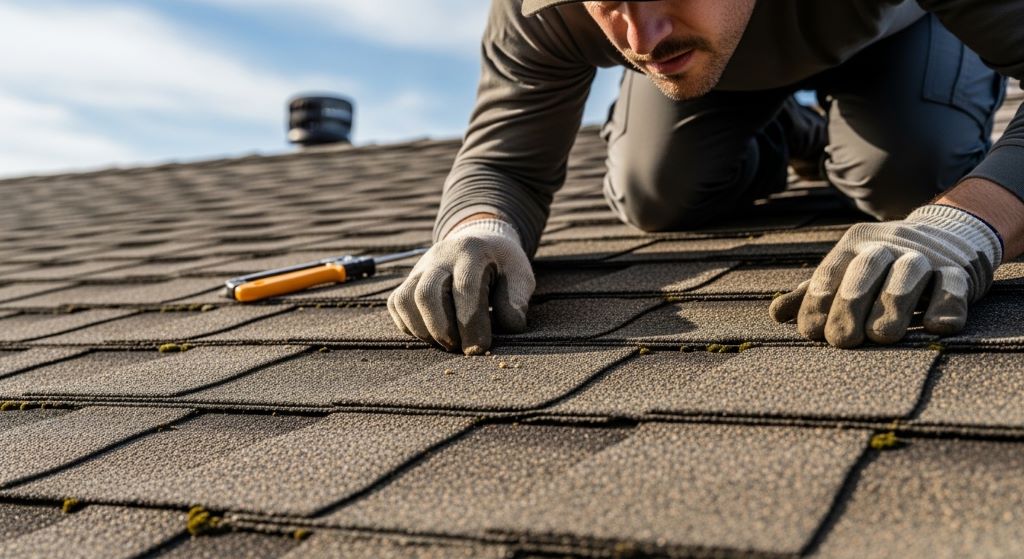

Your roof works hard every single day. It shields your home from rain, wind, heat, and cold. Yet most homeowners rarely think about it until something goes wrong. By then, the damage is often serious — and expensive.
The good news is that most roof problems are preventable. A little attention and regular care can save you thousands of dollars over time. This article walks you through everything you need to know to keep your roof in great shape for years to come.
Why Regular Roof Maintenance Is So Important
A neglected roof does not fail overnight. Problems build up slowly. A small crack lets in moisture. That moisture leads to mold. The mold weakens the structure beneath. Before long, what started as a minor issue becomes a major repair job.
Regular maintenance breaks this cycle. It helps you catch small problems before they grow into big ones. Additionally, a well-maintained roof lasts significantly longer than one that is ignored. Most roofs have a lifespan of 20 to 30 years. With proper care, you can reach the higher end of that range — or even exceed it.
Therefore, treating your roof like any other part of your home is essential. Just as you service your car or clean your gutters, your roof deserves the same consistent attention.
How Often Should You Inspect Your Roof?
The short answer is twice a year. Spring and fall are ideal times. These seasons sit on either side of the most demanding weather periods — the heat of summer and the ice of winter.
However, you should also inspect your roof after any major storm. Heavy rain, hail, strong winds, and falling branches can all cause sudden damage. Waiting for your scheduled inspection means leaving that damage exposed for months.
You do not always need to climb up to check. Many issues are visible from the ground. Use binoculars if needed. Look for missing shingles, sagging areas, or debris buildup. If anything looks unusual, take a closer look or call a professional.
Cleaning Your Gutters the Right Way
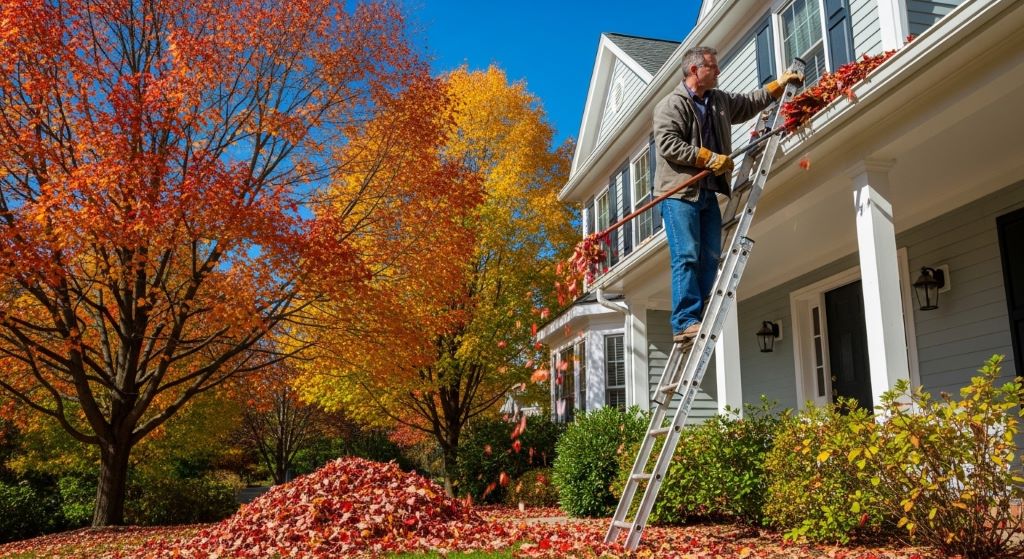
Gutters play a bigger role in roof health than most people realize. When gutters are clogged with leaves and debris, water has nowhere to go. It backs up under the shingles and seeps into your roof deck. Over time, this causes rot, leaks, and structural damage.
Clean your gutters at least twice a year. Do it once in late spring after tree pollen and seeds have fallen. Do it again in late autumn after the last leaves have dropped. If you have large trees near your home, you may need to clean them more often.
While cleaning, check that the gutters are firmly attached and sloping correctly toward the downspouts. Water should flow freely, not pool in the troughs. Additionally, check the downspouts to make sure they direct water away from your home’s foundation.
Trimming Trees and Managing Overhanging Branches
Trees add beauty and shade to any property. However, they can be a serious threat to your roof. Overhanging branches scrape shingles when the wind blows. They drop leaves and debris that hold moisture against your roof surface. In a storm, a large branch can fall and cause catastrophic damage.
Therefore, keep trees near your home well-trimmed. Focus especially on branches that hang directly over the roof. Cut them back far enough so they cannot reach the surface even in strong winds.
This step is one of the most effective ways to prevent roof damage over the long term. It is a simple task, but many homeowners overlook it until after something breaks.
Checking and Replacing Damaged Shingles
Shingles are your roof’s first line of defense. When they crack, curl, or go missing, water gets in. The damage that follows can affect not just the roof but the ceilings, walls, and insulation inside your home.
Walk around your home after every significant storm. Look for shingles on the ground. Check the roof surface for patches that look different from the rest. Granules in your gutters are another warning sign — they indicate shingles are wearing out.
Replacing a few damaged shingles is a relatively small job. However, if you ignore the problem, water intrusion can spread quickly. Then you are no longer replacing a few shingles. You are replacing large sections of roof, decking, and possibly interior materials too.
If you are comfortable working at heights, minor shingle replacement is something many homeowners handle themselves. For anything larger or more complex, hire a licensed roofing contractor.
Inspecting Flashing Around Vents, Chimneys, and Skylights
Flashing is the thin metal material installed around chimneys, vents, skylights, and any other roof penetrations. Its job is to seal the joints between the roof surface and these structures. When flashing fails, water pours directly into your home.
Inspect your flashing every year. Look for rust, cracks, or sections that have pulled away from the surface. Pay close attention after harsh winters, since freeze-thaw cycles are particularly hard on metal flashing.
Resealing or replacing flashing is not expensive. However, leaving damaged flashing unaddressed can lead to serious leaks. These leaks often go unnoticed for months, silently rotting the wood below and driving up repair costs.
Looking Out for Moss, Algae, and Mold
In humid or shaded areas, roofs often develop green or black streaks. These are caused by moss, algae, or mold. While they may seem like just a cosmetic problem, they are actually harmful to your shingles.
Moss holds moisture against the roof surface. Over time, this causes the shingles to break down faster. Algae and mold can work their way under shingles and weaken the structure below.
You can treat mild growth with a roof-safe cleaning solution. Apply it carefully and rinse gently. Avoid pressure washing, as high-pressure water can strip away the granules on your shingles and cause more harm than good.
Additionally, consider installing zinc or copper strips near the roof ridge. When it rains, these metals release ions that naturally inhibit moss and algae growth. It is a simple, long-lasting solution.
Checking Your Attic for Early Warning Signs
Many roof problems show themselves first in the attic. It is one of the most overlooked parts of roof care. However, spending a few minutes there can reveal issues that are invisible from the outside.
Go into your attic on a bright day and look for light coming through the roof boards. Any visible daylight means there are gaps or holes that need immediate attention. Also look for water stains, dark spots, or streaks on the wood. These are signs of past or ongoing leaks.
Good ventilation in the attic is also critical. When heat and moisture build up, they accelerate shingle wear and can cause the roof deck to warp. Make sure vents are clear and working properly. This one step can significantly extend roof life and reduce the need for premature repairs.
Hiring a Professional Roof Inspector
While homeowners can handle many basic checks themselves, a professional inspection adds a layer of thoroughness that is hard to match. A trained roofer knows exactly what to look for and can spot problems that are easy to miss.
Schedule a professional inspection every two to three years. Do it more frequently if your roof is older than 15 years. After a severe storm, a professional inspection is always a good idea, even if everything looks fine from the ground.
A professional can also give you an honest assessment of your roof’s remaining lifespan. This helps you plan financially. Knowing that your roof has five more years of life gives you time to budget for a replacement, rather than being caught off guard.
Dealing with Ice Dams in Cold Climates
If you live in a cold region, ice dams are a real threat. They form when heat from inside your home melts snow on the roof. The water flows down and refreezes at the cold edges, forming a barrier. Water then backs up under the shingles and leaks into your home.
Preventing ice dams starts with proper attic insulation. When your attic stays cold, the snow on your roof melts evenly and drains safely. Additionally, keeping gutters clear in autumn reduces the chance of ice buildup there too.
You can also use a roof rake to remove heavy snow after a storm. This simple tool lets you pull snow off the lower sections of your roof from the ground, reducing the weight and the risk of ice dam formation.
Small Maintenance Tasks That Make a Big Difference
Some of the most effective maintenance tasks are also the simplest. They take very little time but have a significant impact on your roof’s health.
- Clear debris like leaves, pine needles, and branches from the roof surface regularly.
- Check for any nails or fasteners that have worked their way loose and are sticking up through the shingles.
- Look at the caulking around any roof penetrations and reseal it if it is cracking or peeling.
- After painting or working on the exterior of your home, make sure no paint or chemicals have dripped onto the roof surface.
- Keep an eye on your energy bills. A sudden spike can indicate poor attic insulation or ventilation, which often relates to roof issues.
These small habits, done consistently, go a long way toward keeping your roof in excellent condition.
Conclusion
Your roof is one of the most important and most valuable parts of your home. Taking care of it does not require a lot of time or money. It simply requires consistency and attention. Clean your gutters, trim your trees, check your shingles, inspect your attic, and call a professional when needed.
These steps help you extend roof life and prevent roof damage before it becomes a serious financial burden. The homeowners who avoid expensive repairs are not lucky — they are simply the ones who take maintenance seriously. Start today, stay consistent, and your roof will protect your home for decades to come.
Frequently Asked Questions
How long does a well-maintained roof typically last?
Most asphalt shingle roofs last between 20 and 30 years. With consistent maintenance — including regular inspections, gutter cleaning, and prompt repairs — many roofs reach the upper end of that range. Some metal and tile roofs can last 50 years or more with proper care.
What are the most common signs that a roof needs repairs?
Common warning signs include missing or curling shingles, granules in the gutters, water stains on ceilings or walls, visible daylight in the attic, sagging roof sections, and moss or algae growth. Catching these signs early can save you from much larger repair bills.
Can I inspect my roof myself, or do I need a professional?
You can do basic visual checks from the ground or carefully from a ladder. However, a licensed roofing professional should inspect your roof every two to three years. They can identify issues that are not visible to the untrained eye and assess the overall structural condition.
How much does regular roof maintenance cost compared to a full repair?
Routine maintenance — such as cleaning gutters, replacing a few shingles, and resealing flashing — typically costs a few hundred dollars per year. In contrast, a full roof replacement can cost anywhere from $8,000 to $20,000 or more depending on size and materials. Regular maintenance is clearly the more affordable choice.
Is it safe to pressure wash my roof to remove moss or algae?
No. Pressure washing is not recommended for most roofing materials. The high-pressure water can strip the protective granules from asphalt shingles and force water under the surface. Instead, use a low-pressure rinse with a roof-safe cleaning solution, or consult a professional for safe moss and algae removal.
Related Topics:
How to Deep Clean Mattress with the Best Vacuum Cleaner