

Getting a good night’s sleep starts with the right pillow. For side sleepers, this choice matters more than most people realize. The wrong pillow can lead to neck pain, shoulder tension, and restless nights. The right one, however, can make sleep feel completely different.
Latex pillows have become one of the most recommended options for side sleepers. They are durable, responsive, and naturally supportive. But not every latex pillow works the same way. Choosing the right one requires understanding a few key factors. This guide walks you through everything you need to know before making a purchase.
Why Side Sleepers Have Unique Pillow Needs
Side sleeping is the most common sleep position. It is also one of the healthiest, as it can reduce snoring and improve digestion. However, it places specific demands on your pillow.
When you sleep on your side, your head sits higher off the mattress than it would in other positions. The space between your head and the mattress is larger. Therefore, your pillow needs to fill that gap completely. If it does not, your neck tilts downward and your spine curves out of alignment.
Additionally, side sleeping puts pressure on one shoulder at a time. A pillow that is too soft collapses under the weight of your head. A pillow that is too firm pushes your head upward at an unnatural angle. The goal is to find something in between. Latex pillows are well-suited to this balance because they compress just enough without losing their shape.
What Makes Latex Different from Other Pillow Materials
Before choosing any pillow, it helps to understand why latex stands out from other options. Memory foam, down, and polyester fill are all common alternatives. Each has its strengths. However, latex offers a specific combination of qualities that many side sleepers find ideal.
Latex is naturally buoyant. It pushes back against your head rather than simply cradling it. This responsiveness helps maintain the position of your head throughout the night. Memory foam, by contrast, slowly conforms to pressure. It can feel warm and limiting. Down pillows are soft and luxurious but compress too easily for most side sleepers.
Furthermore, latex is durable. A quality latex pillow can last five to ten years without significant deterioration. It resists dust mites and mold naturally, which makes it a smart choice for people with allergies. Therefore, the investment tends to pay off over time.
There are two main types of latex used in pillows. Dunlop latex is denser and heavier. It provides a firmer, more grounded feel. Talalay latex is lighter and airier. It has a bouncier, more consistent texture. Both work well for side sleepers, though the choice comes down to personal preference.
Understanding Pillow Loft and Why It Matters
Loft refers to the height of a pillow when it is lying flat. For side sleepers, loft is one of the most important measurements to get right. A pillow with the correct loft keeps your head, neck, and spine in a straight line while you sleep.
Most side sleepers need a medium to high loft pillow. The exact height depends on your shoulder width and the firmness of your mattress. Broader shoulders create a larger gap between your head and the mattress. Therefore, a higher loft pillow is usually needed. A softer mattress allows your shoulder to sink in further, which reduces the gap slightly and may call for a slightly lower loft.
Many latex pillows come with adjustable loft options. These allow you to add or remove fill to reach your ideal height. This feature is particularly useful if you are unsure where to start or if your comfort needs change over time.
The Role of Firmness in Side Sleeping Comfort
Firmness and loft work together but are not the same thing. A pillow can be tall and soft, or short and firm. For side sleeping comfort, you want a firmness level that supports your head without creating pressure points.
Medium to medium-firm latex is generally the most suitable range for side sleepers. It holds its shape under the weight of your head. It also allows a small amount of give, which reduces pressure on your ear and the side of your face. Very firm latex can feel uncomfortable after a few hours. Very soft latex may not provide enough resistance to keep your neck properly supported.
If you share a bed and your partner prefers a softer pillow, split-firmness options are available. Some latex pillows feature different zones of firmness within a single pillow. This allows each person to customize their experience without buying two separate pillows.
How to Evaluate a Neck Support Pillow for Side Sleeping
Not all pillows marketed for side sleepers are equally effective. When shopping for a neck support pillow, there are specific things to look for beyond the label.
First, check the density of the latex fill. A higher density generally means better support and longer durability. Second, look at the pillow’s cover material. A breathable cotton or bamboo cover helps regulate temperature, which is especially useful since latex can retain some heat. Third, consider whether the pillow has a contoured design. Contoured latex pillows have a lower section for your head and a raised edge that supports the neck. This design can work well for some side sleepers but may feel restrictive to others.
Here are a few questions to ask before buying:
- Does the pillow specify a loft height, or is it adjustable?
- Is the latex certified organic or free from harmful chemicals?
- Does the brand offer a sleep trial period so you can return it if it does not work?
- What do verified customer reviews say about long-term durability?
- Is the cover removable and washable?
Taking time to answer these questions can save you money and frustration in the long run.
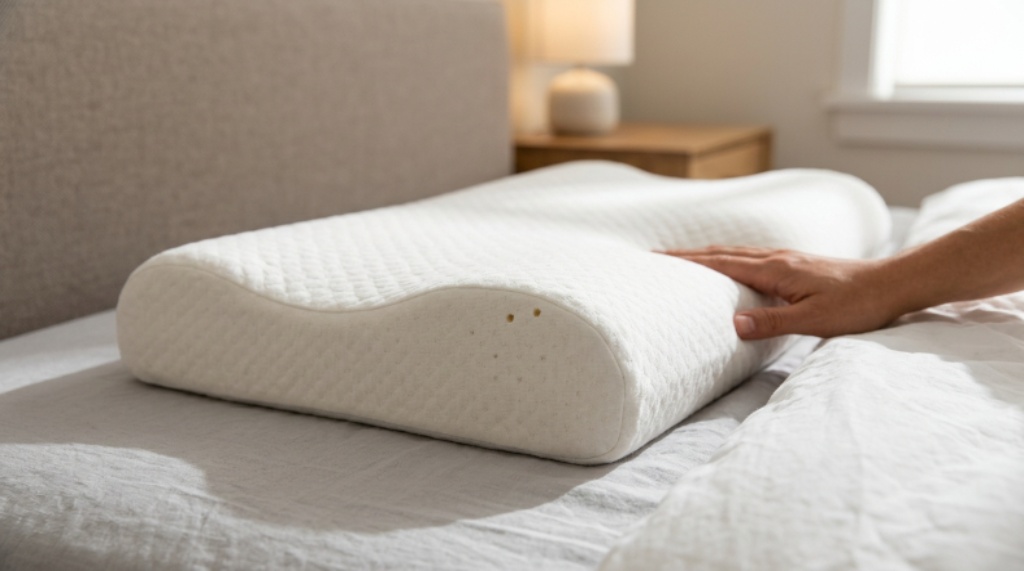
Spinal Alignment and Why It Should Guide Your Choice
One concept that should drive every pillow decision is spinal alignment. A spinal alignment pillow is not a specific product type. It is a description of what any good pillow should do for your body while you sleep.
When your spine is aligned during sleep, your muscles can fully relax. Your nervous system is not under stress. You wake up without stiffness or soreness. Achieving this alignment as a side sleeper means your pillow must bridge the distance between your head and the mattress without forcing your neck into any angle.
Latex does this better than most materials because it does not compress fully under sustained pressure. It maintains its height. Therefore, even after several hours of sleep, the support remains consistent. This is what makes latex a leading material for people who prioritize spinal health during rest.
What to Expect During the Adjustment Period
Switching to a new pillow always comes with an adjustment period. Your muscles and joints are used to a certain position. A new pillow changes that position, even if the change is beneficial.
Most people need one to two weeks to fully adapt. During this time, you might notice mild neck tension in the morning. This is normal. It does not necessarily mean the pillow is wrong for you. However, if you experience sharp pain or your symptoms worsen after two weeks, the pillow may not be the right fit.
Additionally, give your body time to respond before making judgments. Many side sleepers report that the benefits of switching to latex only become clear after the adjustment period ends.
Conclusion
Choosing the right latex pillow as a side sleeper comes down to a few essential factors. Loft height must match your shoulder width and mattress firmness. The density and type of latex determine how responsive and durable the pillow will be. Firmness should sit in the medium to medium-firm range for most side sleepers. A neck support pillow that maintains consistent height throughout the night protects your neck and reduces morning discomfort.
Additionally, thinking about your purchase in terms of spinal alignment helps you stay focused on what matters most. The goal is not just comfort in the moment. It is sustained support that allows your body to fully rest. Latex pillows offer that combination more reliably than most alternatives. With the right choice, better sleep and fewer aches become a regular part of your mornings.
Frequently Asked Questions
What loft height is best for side sleepers using a latex pillow?
Most side sleepers do best with a loft height between four and six inches. However, broader shoulders may require a slightly higher loft. An adjustable latex pillow lets you fine-tune the height to your specific needs.
Is Talalay or Dunlop latex better for side sleeping?
Both work well, but they feel different. Talalay latex is lighter and bouncier, making it feel more plush. Dunlop latex is denser and more grounded. Side sleepers who want firmer support often prefer Dunlop, while those who like a softer feel tend to prefer Talalay.
How long does a latex pillow last compared to other types?
A quality latex pillow typically lasts between five and ten years. This is significantly longer than memory foam or down pillows, which often need replacing within two to three years. The durability makes latex a cost-effective long-term choice.
Can a latex pillow help with neck and shoulder pain from side sleeping?
Yes, in many cases it can. A properly fitted latex pillow keeps your head and neck in a neutral position throughout the night. This reduces strain on the muscles and joints that side sleeping places pressure on. Many users report noticeable improvement within a few weeks.
Are latex pillows safe for people with latex allergies?
Natural latex can trigger reactions in people with latex allergies. However, many manufacturers offer synthetic or blended latex options that reduce this risk. Additionally, some people with mild sensitivities find that a thick pillow cover prevents any contact. Always consult a doctor if you have a known latex allergy before purchasing.