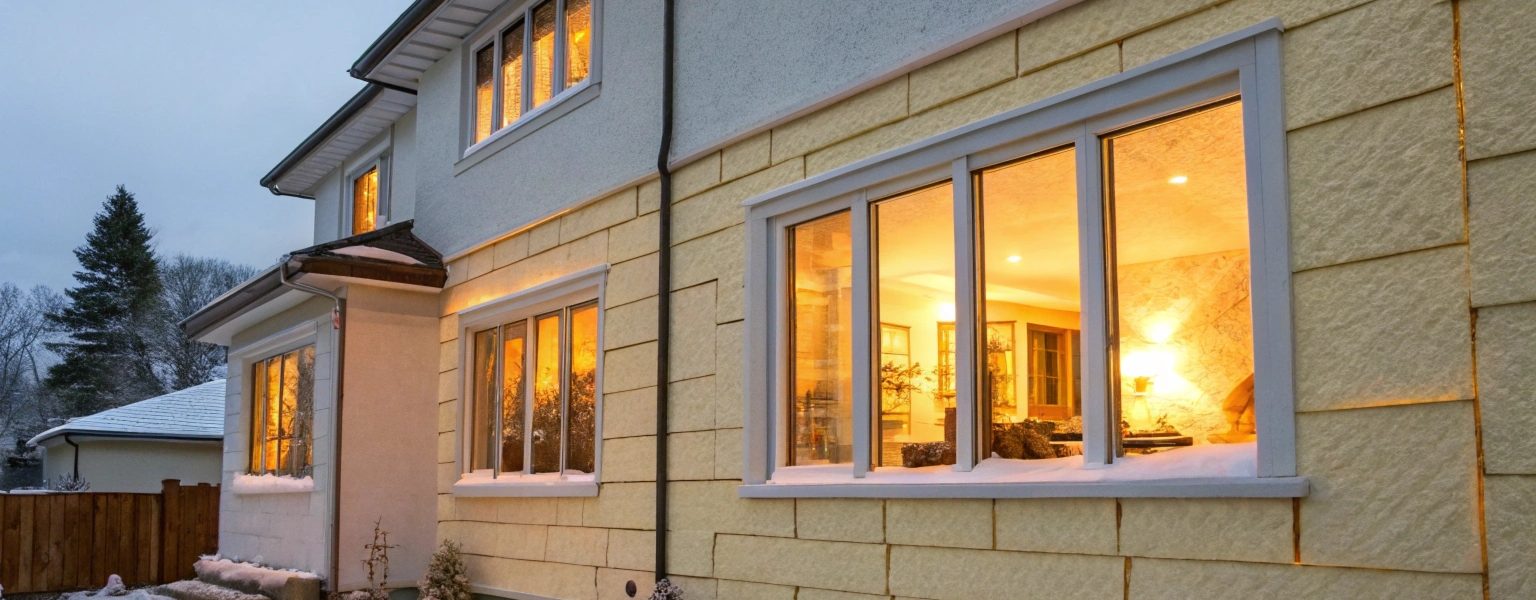

Ensuring your home is well-insulated is crucial for year-round comfort and for keeping your utility costs in check. The right insulation serves as a critical barrier, minimizing heat transfer during both cold winters and hot summers. A well-insulated house will maintain a more consistent temperature without placing undue strain on heating and cooling systems.
Along with improved temperature control, updated insulation helps to lower energy consumption. This means that over time, an investment in better insulation can lead to substantial savings by reducing electricity and gas bills. Since insulation options can widely differ, it’s important to understand how each choice affects home comfort and long-term energy costs.
In many homes, both attic and wall insulation are overlooked during routine upgrades. However, these areas can make a big difference in overall efficiency. Choosing suitable insulation often requires looking at your climate, home design, and budget. By taking the time to research and select proper materials, homeowners can dramatically improve their living environment and save money at the same time.
Doors also play a significant role in energy efficiency. For instance, replacing older doors with insulated garage doors can further reduce drafts and energy loss, optimizing both comfort and savings throughout the home.
Importance of Insulation
Insulation is essential for preventing unwanted heat exchange between the inside and outside of a building. It keeps warm air indoors during the winter and preserves cool air in the summer. As a result, the demands placed on HVAC systems decrease, making them more efficient and less expensive to operate. Data from the U.S. Department of Energy shows that proper insulation can reduce heating and cooling costs by up to 20%.

Types of Insulation Materials
There are several insulation material options available, each with its own characteristics and best uses:
- Fiberglass: This widely used material comes in batts, rolls, or loose-fill. It is affordable and offers good thermal performance for attics and wall cavities.
- Cellulose: Made from recycled paper and treated for fire resistance, cellulose is commonly blown into attics and walls, providing an environmentally-friendly option.
- Spray Foam: This insulation expands to fill gaps and voids, creating a highly effective air seal. It is popular in new constructions and renovations in hard-to-reach spaces.
- Rigid Foam Boards: Suitable for basements and exterior walls, these boards provide a high insulating value per inch and resist moisture.
The right insulation type often depends on the area being insulated as well as specific project needs.
R-Value and Its Significance
The performance of insulation is measured using an R-value, which indicates resistance to heat flow. Higher R-values mean better thermal resistance. Different regions in the U.S. have different R-value recommendations based on climate and typical temperature extremes. For colder climates, a higher R-value is preferred, whereas homes in milder regions may require less.
Choosing the correct R-value is essential for maximizing comfort and efficiency, as underinsulated homes are more likely to suffer from temperature swings and higher bills. The Department of Energy provides R-value guidelines by region, helping homeowners select the right insulation for their needs.
Insulation and Energy Savings
By adding insulation to attics, basements, and crawl spaces, families can save up to 15% on heating and cooling per the Environmental Protection Agency. This not only trims monthly utility costs but also enhances overall comfort by eliminating drafts and cold spots. Well-insulated homes usually achieve more stable temperatures, lowering the need for constant thermostat adjustments.
Common Insulation Mistakes to Avoid
Avoiding common insulation errors will help you get the best results from your efforts:
- Neglecting to Seal Air Leaks: Adding insulation without sealing gaps, cracks, and openings can lead to substantial energy loss.
- Poor Ventilation Management: Ensuring ventilation is essential to prevent moisture accumulation, which can result in mold issues and decreased air quality.
- Incorrect R-Value Selection: Using an R-value that is too low or too high for your climate zone limits the effectiveness of insulation.
Addressing these issues upfront leads to better comfort and improved energy efficiency in the long run.
Choosing the Right Insulation for Your Home
Several factors go into choosing the ideal insulation for your house. Consider the local climate, your budget, and the unique needs of each area in your home. For spaces prone to moisture, such as basements, materials with water resistance are usually best. Seeking advice from an insulation expert can guide you toward the most effective solution for your circumstances. Independent home improvement resources can offer further insight into specialized materials and installation techniques.
Professional Installation vs. DIY
Though some insulation projects, like laying fiberglass batts in an attic, can be completed by diligent DIYers, situations involving spray foam or hard-to-reach areas typically require professional assistance. Professionals ensure that challenging spaces are evenly covered, gaps are addressed, and the final result meets building codes and efficiency standards. Deciding between DIY and hiring a professional often hinges on the complexity of the job and ensuring full, safe coverage.
Conclusion
Investing in the right insulation strategy can greatly improve not just the comfort and efficiency of your home but also its long-term energy costs. Learning about the different materials, understanding R-values, and being aware of common mistakes can empower homeowners to make the right insulation decisions. With thoughtful planning and execution, insulation can provide lasting benefits for both your budget and indoor comfort.