
Making fresh pasta at home is one of life’s simple pleasures. The texture is silkier. The flavor is richer. And the process itself is deeply satisfying. However, buying the right machine can feel confusing, especially with so many options available today. This guide breaks everything down so you can shop with confidence.
Why Fresh Pasta Is Worth the Effort
Store-bought pasta is convenient, but it rarely matches the quality of fresh homemade pasta. Fresh pasta absorbs sauce better. It cooks faster. It also lets you control the ingredients, which matters if you have dietary needs.
A good pasta machine makes the process much easier. It removes the guesswork from rolling dough by hand. Additionally, it helps you achieve consistent thickness every single time. Whether you are new to pasta-making or a seasoned home cook, the right machine can change your kitchen routine entirely.
Types of Pasta Machines
Before diving into pasta machine reviews, it helps to understand the two main types of machines on the market.
Manual Pasta Machines
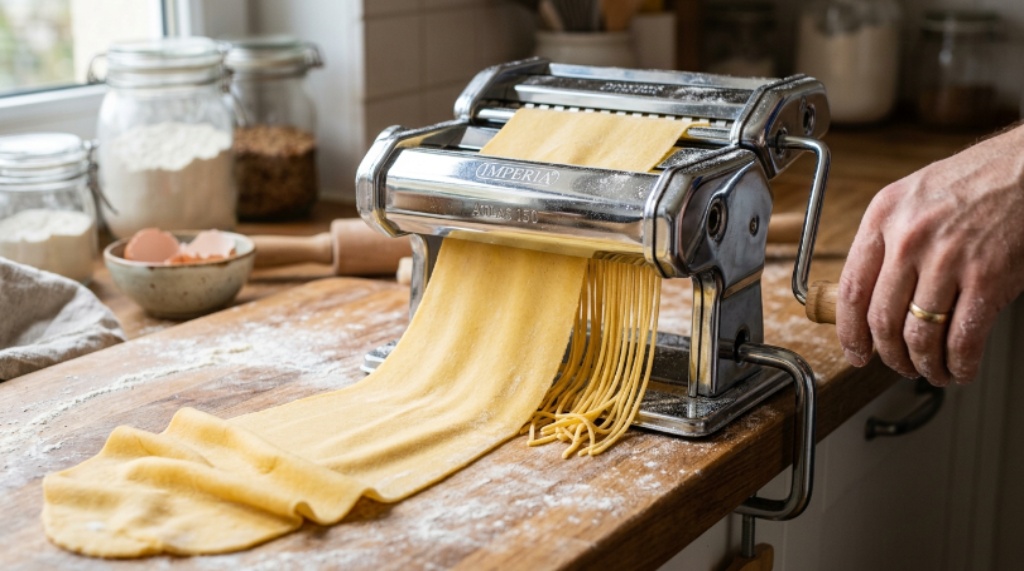
Manual machines use a hand crank to roll and cut dough. They are simple, durable, and often more affordable. Most models clamp to a countertop and come with rollers for different pasta shapes. They give you full control over the process, which many home cooks prefer.
The downside is effort. Rolling stiff dough by hand can be tiring, especially when making pasta for a large group. However, for occasional use, manual machines are an excellent choice.
Electric Pasta Machines
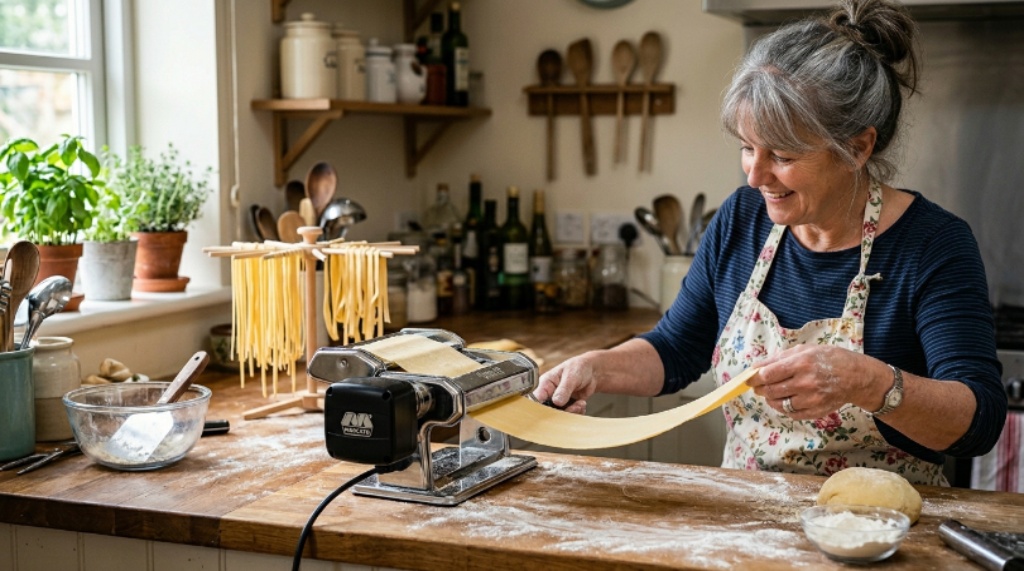
Electric machines do the hard work for you. You load the dough, and the machine rolls or extrudes it automatically. Some models even mix the dough from scratch. They are faster and require less physical effort.
On the other hand, electric machines are typically more expensive. They also take up more counter space. Therefore, they suit cooks who make pasta frequently or in large quantities.
Pasta Extruders
Extruders push dough through shaped dies to create tubes, spirals, and other specialty shapes. They are harder to clean but open up a wider world of pasta types. Many serious pasta enthusiasts consider an extruder a worthwhile investment.
Key Features to Look For
A good pasta roller guide will always point you toward the features that matter most. Here is what to evaluate before making a purchase.
Roller Width
Most standard machines offer a roller width of around 150mm. Wider rollers allow you to make broader sheets, which is useful for lasagna and pappardelle. Check the roller width before buying, especially if you plan to make wide noodles.
Thickness Settings
Look for machines that offer multiple thickness levels. A range of six to nine settings gives you enough flexibility to make everything from thin angel hair pasta to thick pappardelle. More settings mean more creative freedom.
Build Quality and Material
Stainless steel machines last longer and resist rust. Plastic machines are lighter and cheaper, but they may not hold up well over time. If you plan to use your machine regularly, investing in stainless steel is the smarter choice.
Ease of Cleaning
Pasta machines and water do not mix well. Most manuals warn against washing them directly. Instead, you let the dough dry and brush it off. Look for machines with removable parts that make this process easier. Some newer models are dishwasher-safe, which is a genuine time-saver.
Attachments and Accessories
Many machines come with interchangeable attachments for different pasta shapes. Fettuccine and spaghetti cutters are the most common. Additionally, some brands sell optional attachments for ravioli, angel hair, and more. Consider how many shapes you want to make before deciding how many accessories you need.
Manual vs. Electric: Which Should You Choose?
This is the question most buyers wrestle with. The honest answer depends on how often you cook and what your budget looks like.
If you make pasta once or twice a month, a manual machine is perfectly adequate. It costs less, lasts a long time, and does not require electricity. Many professional pasta makers still prefer the hands-on control of a manual machine.
However, if you cook pasta every week or entertain regularly, an electric machine saves time and energy. The initial investment is higher, but the convenience often justifies the cost.
Price Ranges and What to Expect
Pasta machines fall into three general price tiers.
Entry-level machines (under $50) are usually manual, made from a mix of steel and plastic, and come with basic attachments. They are great for beginners who want to try pasta-making without a large commitment.
Mid-range machines ($50 to $150) offer better build quality, more thickness settings, and often include extra cutters. This is the sweet spot for most home cooks.
Premium machines ($150 and above) are typically electric or extruder-style. They handle larger volumes of dough and offer professional-quality results. Serious home cooks and small food businesses tend to favor this range.
Common Mistakes First-Time Buyers Make
Even with the best pasta machine reviews available online, buyers still make avoidable mistakes. Here are the most common ones.
- Skipping the pasta roller guide that comes in the box. Most manuals include helpful tips for getting the best results.
- Buying a machine without checking the thickness range. A limited range restricts the types of pasta you can make.
- Ignoring cleaning requirements. Some machines are very difficult to clean if you do not maintain them after each use.
- Choosing style over function. A beautiful machine that is hard to use will end up sitting in a cabinet.
- Forgetting to account for countertop space. Electric models especially need room to operate safely.
Tips for Getting the Best Results
Owning a great machine is only part of the equation. The other part is technique.
Always rest your dough before rolling it. A 30-minute rest allows the gluten to relax, which makes rolling much easier. Use semolina flour to dust your dough lightly. It prevents sticking without toughening the pasta.
Start at the widest thickness setting and work your way down gradually. Do not jump straight to the thinnest setting. Rolling in stages creates a smoother, more even sheet. Additionally, keep your sheets covered with a clean towel so they do not dry out while you work.
Conclusion
Buying a pasta machine is a genuinely worthwhile investment for anyone who enjoys cooking from scratch. The key is matching the machine to your cooking habits and budget. Manual machines offer simplicity and control. Electric models bring speed and convenience. Whatever you choose, focus on build quality, thickness range, and ease of cleaning.
Take time to read pasta machine reviews from real users before committing. A good pasta roller guide, whether in print or online, will help you understand the basics before your first attempt. With the right machine in your kitchen, fresh homemade pasta becomes an easy and enjoyable part of your weekly routine.
Frequently Asked Questions
What is the best pasta machine for beginners?
A manual stainless steel machine in the $40 to $80 range is ideal for beginners. It is easy to use, durable, and affordable enough to try without a big financial commitment.
Can I use a pasta machine for gluten-free dough?
Yes, but gluten-free dough behaves differently. It is stickier and less elastic. You may need to adjust your recipe and use more dusting flour to prevent the dough from sticking to the rollers.
How do I clean a pasta machine properly?
Most pasta machines should not be washed with water. Let any remaining dough dry completely, then brush it away with a stiff brush or dry cloth. Some newer models have dishwasher-safe parts, so always check your manual first.
How many thickness settings do I really need?
At least six settings is a good baseline. This range lets you make most common pasta types. Nine or more settings give you greater precision for delicate pastas like angel hair or thick egg noodles.
Is an electric pasta machine worth the extra cost?
It depends on how often you use it. If you make pasta regularly or cook for large groups, the time savings make an electric machine worth the investment. For occasional use, a manual machine is more practical.