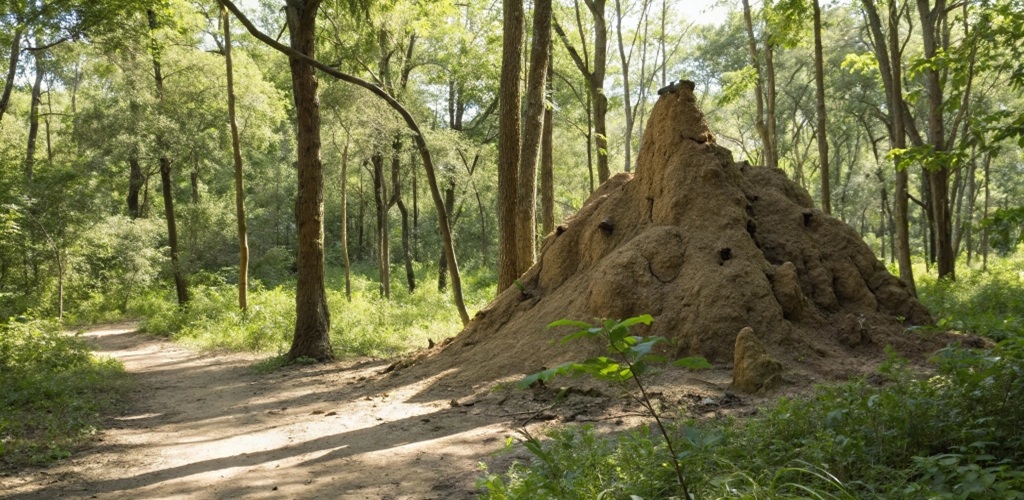

Termites are often regarded as one of the most formidable pests due to their ability to cause extensive damage to wooden structures. While they play a crucial role in the ecosystem by breaking down cellulose, their presence in human habitats can lead to significant economic losses. Understanding termite ecology is essential for developing effective control strategies that minimize their impact on human environments.
The Role of Termites in the Ecosystem
Termites are detritivores, primarily feeding on dead plant material and cellulose, which is found in wood. This ecological role is vital as it aids in nutrient cycling, thus supporting plant growth and maintaining soil health. Termites decompose tough plant materials, returning nutrients to the soil, which fosters a balanced ecosystem.
Termite Species and Their Habits
Globally, there are over 2,500 species of termites, but only a few of these are considered pests. The most notorious among them are the subterranean, drywood, and dampwood termites. Each species has distinct characteristics and habitat preferences:
- Subterranean termites live in the soil and build elaborate tunnel systems to access above-ground food sources. They are known for their destructive behavior, often leading to severe structural damage.
- Drywood termites infest dry wood and do not require contact with soil. They are often found in furniture and buildings, making them a significant concern for homeowners.
- Dampwood termites prefer moist wood and are typically found in decaying logs or stumps. While they are less likely to infest homes, they can cause damage in structures with persistent moisture issues.
Factors Affecting Termite Activity
Several environmental factors influence termite activity and population dynamics:
- Temperature and Humidity: Termites thrive in warm and humid conditions. Climate change and global warming can increase their range and activity, potentially leading to more frequent infestations.
- Availability of Food Sources: The presence of cellulose materials, such as wood and paper, is a significant attractant for termites. Proper storage and disposal of these materials can help reduce the risk of infestation.
- Soil Composition: Subterranean termites prefer sandy soil for easy tunneling. Soil treatments and barriers can be effective in preventing their access to structures.
Strategies for Effective Termite Control
Effective termite control requires a comprehensive understanding of their ecology and behavior. Here are several strategies that can be employed:
1. Prevention
Prevention is the first line of defense against termite infestations. Regular inspections, maintaining proper drainage, and removing wood debris from around structures can help prevent termites from establishing colonies.
2. Chemical Treatments
Soil-applied barriers and bait systems are common chemical control methods. These treatments are designed to either repel or eliminate termites before they can cause significant damage. It is important to use these treatments responsibly to minimize environmental impact.
3. Biological Control
Research into biological control options, such as introducing natural predators or pathogens, is ongoing. These methods aim to reduce termite populations without relying heavily on chemical treatments.
4. Integrated Pest Management (IPM)
IPM combines various control strategies to effectively manage termite populations while minimizing environmental impact. This approach involves regular monitoring, accurate identification, and the use of multiple control methods tailored to specific situations.
For those dealing with pest issues beyond termites, considering professional pest control services can be beneficial. For instance, Rodent control Huntsville offers comprehensive solutions for a variety of pest problems, ensuring a safe and pest-free environment.
Conclusion
Understanding termite ecology is crucial for developing effective control strategies that protect human habitats while preserving the ecological benefits that termites provide. By employing a combination of prevention, chemical treatments, biological control, and integrated pest management, we can manage termite populations effectively, minimizing their impact on our homes and communities.