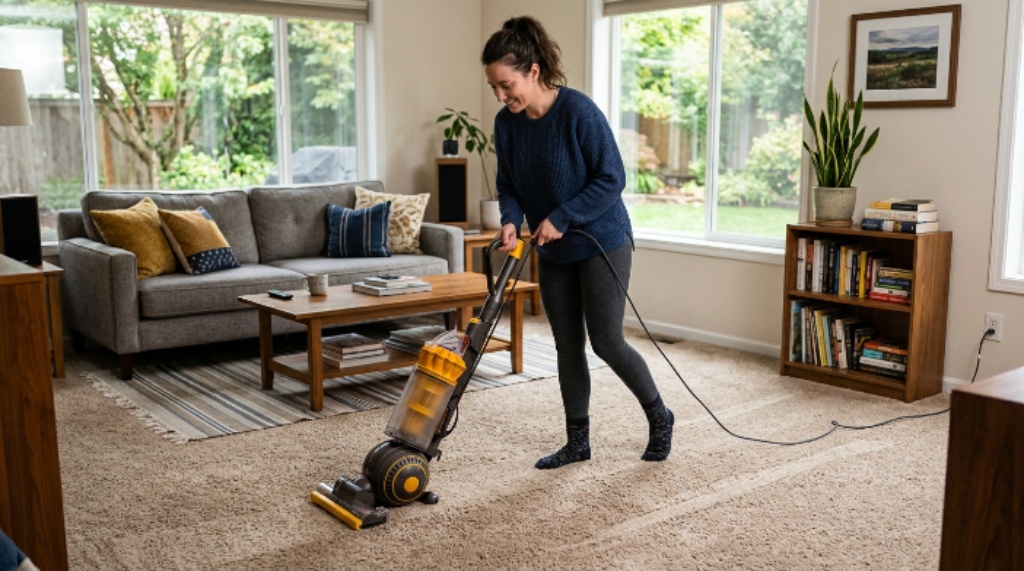

Keeping your home clean is a daily effort. One tool that makes this task much easier is a good vacuum cleaner. However, with so many models on the market, finding the right one can feel overwhelming. This guide will walk you through what to look for, what to avoid, and how to make a smart buying decision.
Why the Right Vacuum Matters
Not all vacuums are created equal. Some work well on hardwood floors but struggle with thick carpet. Others are great for pet hair but too bulky for small apartments. Therefore, understanding your specific needs before you shop is the most important first step.
A vacuum that matches your home and lifestyle will save you time, energy, and money in the long run. Additionally, the right machine means less frustration during your regular cleaning routine.
Know Your Floor Type Before You Buy
The type of flooring in your home should guide your decision more than anything else. Different surfaces need different levels of suction and brush roll action.
For hardwood or tile floors, a vacuum with a soft brush roll or a bare floor setting works best. Hard bristles can scratch delicate surfaces. On the other hand, thick carpets and rugs need strong suction and a motorized brush to lift embedded dirt and debris.
Many homes have a mix of both. In that case, look for a vacuum with adjustable settings so you can switch easily between surface types.
Types of Vacuums Explained
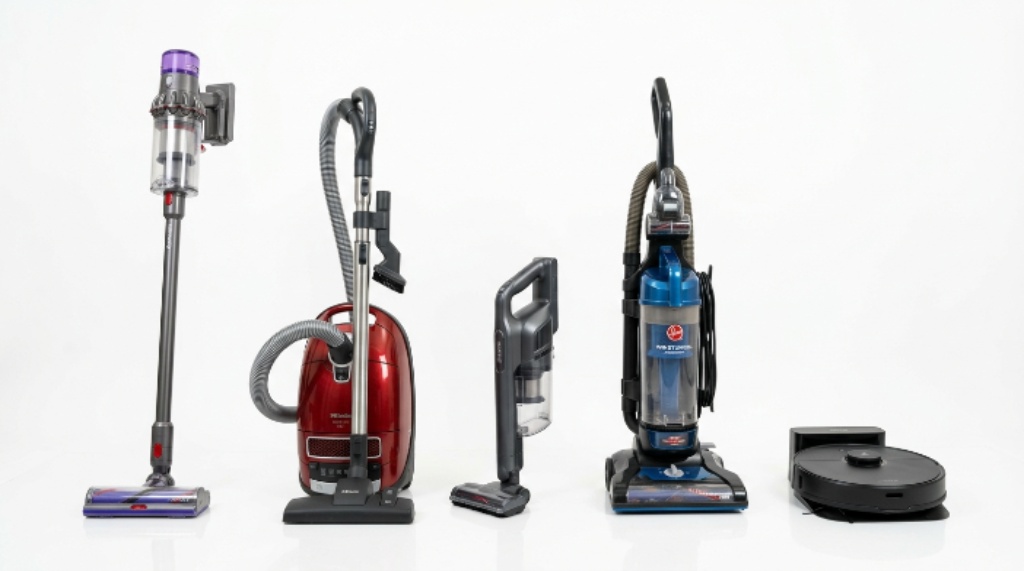
Understanding the main vacuum types will help you narrow down your choices quickly.
Upright vacuums are the most common. They are powerful and great for large carpeted areas. However, they can be heavy and hard to maneuver around furniture.
Canister vacuums offer more flexibility. The motor and dustbin sit in a separate unit that you drag behind you. They are lighter to push and work well on stairs and upholstery.
Stick vacuums are slim and lightweight. They are ideal for quick cleanups and small spaces. Most run on a rechargeable battery, which means runtime can be limited.
Robot vacuums do the work for you. They are great for daily maintenance but may not replace a deep-cleaning session. Additionally, they work best on flat surfaces without too many obstacles.
Handheld vacuums are small and portable. They are perfect for car interiors, cushions, and tight corners.
Key Features to Look For
Once you know the type you want, focus on these important features. This section is a core part of any solid vacuum buying guide.
Suction power matters most. Look for a vacuum with consistent, strong suction that does not drop as the dustbin fills up. Some budget models lose power quickly.
Filtration is another key factor. If anyone in your home has allergies or asthma, choose a vacuum with a HEPA filter. These filters trap tiny particles like dust mites, pollen, and pet dander.
Dustbin capacity affects how often you stop to empty the machine. Larger bins mean fewer interruptions during a full cleaning session.
Cord length and battery life depend on your setup. Corded models offer uninterrupted power, while cordless models offer freedom of movement. Therefore, think about which trade-off suits your cleaning style.
Noise level is something many buyers overlook. Some vacuums are very loud, which can be disruptive in apartments or homes with young children or pets.
Weight and maneuverability are also important. A heavy vacuum is harder to carry up stairs or push under furniture. Look for swivel steering for easier handling.
Home Cleaning Tips for Better Results
Even the best vacuum works better when you use it correctly. These home cleaning tips will help you get the most out of your machine.
Vacuum slowly and in overlapping strokes. Moving too fast means you miss embedded dirt, especially in carpet fibers. Make two passes over high-traffic areas.
Empty the dustbin or replace the bag regularly. A full bin reduces suction and makes your motor work harder. Check it after every use.
Clean or replace filters on schedule. Most manufacturers recommend cleaning washable filters monthly and replacing non-washable ones every three to six months.
Use the right attachment for each surface. Most vacuums come with several tools. The crevice tool reaches tight spaces, while the upholstery brush works on sofas and curtains.
Move furniture when you can. Dirt and debris collect under couches and beds. Vacuuming under them at least once a month keeps allergens from building up.
Pet Owners Need Special Consideration
If you have pets, hair management is a top priority. Standard vacuums can clog quickly with pet fur. Therefore, look for models specifically designed for pet hair. These often come with tangle-free brush rolls and stronger suction.
Additionally, some pet vacuums include odor filters to reduce pet smells as you clean. This is a helpful feature for homes with multiple animals.
Budget vs. Premium: What to Expect
You do not always need to spend a lot to get a reliable machine. Entry-level vacuums in the $80 to $150 range can handle light to medium cleaning needs well.
Mid-range models between $150 and $300 typically offer better suction, improved filtration, and more durable construction. They are a good choice for most households.
Premium vacuums above $300 often include advanced features like self-cleaning brush rolls, smart app connectivity, and longer warranties. However, they are best suited for larger homes or people with specific needs like heavy pet hair or severe allergies.
Red Flags to Avoid When Shopping
Not every vacuum that looks good on paper delivers in real life. Watch for these warning signs.
Avoid models with very short warranties. A quality vacuum should come with at least a one-year guarantee, preferably two or more.
Be cautious with vacuums that have poor reviews about suction loss over time. This is a common complaint with budget brands.
Skip models where replacement bags or filters are hard to find or very expensive. Ongoing costs matter just as much as the upfront price.
Where to Shop and How to Compare
You can find vacuums at home appliance stores, electronics retailers, and online marketplaces. Online shopping gives you access to detailed reviews and side-by-side comparisons.
Read verified customer reviews carefully. Focus on reviews that describe how the vacuum holds up after several months of use, not just first impressions. Additionally, look for reviews from people with similar homes and cleaning needs as yours.
Comparing specs side by side is a smart move. Create a short list of two or three models and compare their suction power, weight, filter type, and bin capacity before making a final decision.
Conclusion
Finding the right vacuum does not have to be stressful. Start by identifying your floor types and cleaning habits. Then choose the vacuum style that fits your lifestyle. Focus on key features like suction power, filtration, weight, and dustbin size. Set a realistic budget and read honest reviews before you buy. Following a reliable vacuum buying guide and applying consistent home cleaning tips will keep your living space fresh and healthy all year long. The right vacuum is an investment that pays off every time you use it.
Frequently Asked Questions
How often should I vacuum my home?
For most households, vacuuming two to three times per week is ideal. High-traffic areas and homes with pets or allergy sufferers may need daily vacuuming.
What is a HEPA filter and do I really need one?
HEPA stands for High-Efficiency Particulate Air. It captures 99.97% of particles as small as 0.3 microns. If anyone in your home has allergies, asthma, or respiratory issues, a HEPA filter is strongly recommended.
Is a cordless vacuum as powerful as a corded one?
Modern cordless vacuums have improved significantly. However, corded models still tend to offer more consistent, uninterrupted suction. For large homes or deep cleaning, a corded model may still be the better choice.
How long does a vacuum cleaner typically last?
A well-maintained vacuum can last eight to twelve years. Budget models may last three to five years. Regular filter cleaning, bag replacement, and avoiding overheating extend the life of any vacuum.
Can I use one vacuum for both carpet and hardwood floors?
Yes, many vacuums are designed for multi-surface use. Look for models with adjustable brush rolls or a dedicated hard floor setting to avoid scratching delicate surfaces while still cleaning carpet effectively.
Related Topics:
How to Create a Complete Plumbing Tools List for Homeowners