Parents often overlook the importance of proper sleep support for their children. While we invest time in choosing the right mattress, selecting the perfect pillow gets pushed to the side. However, children spend roughly a third of their lives sleeping, making pillow selection a crucial decision for their physical development and overall health.
Growing bodies need different support than adult bodies. Children’s spines are still developing, their muscles are forming, and their sleeping patterns differ significantly from adults. Choosing the wrong pillow can lead to neck pain, poor sleep quality, and even long-term posture problems that follow them into adulthood.
This comprehensive guide will help you understand everything about selecting an orthopedic pillow for your child. You’ll learn about the right timing, materials, sizes, and features that make a real difference. By the end, you’ll have the knowledge needed to make an informed decision that supports your child’s healthy development.
Understanding When Your Child Needs a Special Pillow
Most pediatricians recommend waiting until a child is at least two years old before introducing any pillow. Infants and very young toddlers sleep safely on flat surfaces without elevation. Their body proportions differ from older children, and a pillow can actually create unsafe sleeping positions.
Once your child transitions to a toddler bed, usually around age two or three, a thin, flat pillow becomes appropriate. However, not every child immediately needs orthopedic support. Watch for signs that indicate your child might benefit from a neck support pillow kids can use comfortably.
Does your child wake up complaining of neck stiffness or headaches? These symptoms suggest their current pillow isn’t providing adequate support. Additionally, if you notice your child constantly adjusting their pillow during the night or waking up with it on the floor, they’re unconsciously seeking better positioning.
Children who read or use devices in bed may develop forward head posture. This habit creates strain on developing neck muscles and spine alignment. A supportive pillow designed for proper alignment can help counteract some of this strain during sleep.
Furthermore, children with certain medical conditions benefit from specialized support earlier than others. Those with cerebral palsy, muscular dystrophy, or other conditions affecting muscle tone need careful attention to sleep positioning.
Recognizing the Difference Between Regular and Orthopedic Pillows
Standard children’s pillows are simply smaller, softer versions of adult pillows. They provide cushioning but lack specific design features that promote healthy spine alignment. Manufacturers create them primarily for comfort rather than therapeutic support.
Orthopedic pillows, in contrast, are engineered with spine health as the primary goal. They incorporate specific shapes, materials, and design elements that maintain natural neck curves during sleep. These pillows actively support proper alignment rather than passively cushioning the head.
The key difference lies in how these pillows respond to your child’s sleeping position. A regular pillow compresses uniformly under weight, potentially allowing the head to sink too deeply or not enough. An orthopedic pillow maintains its supportive structure while conforming to your child’s unique contours.
Memory foam, latex, or specialized foam cores in orthopedic pillows provide responsive support. These materials adapt to pressure and temperature, creating customized support for each child. Additionally, many orthopedic designs include contoured shapes that cradle the neck while supporting the head at an optimal height.
Determining the Right Size for Your Child’s Age
Size matters tremendously when choosing a posture pillow child can use effectively. A pillow that’s too large forces the head into an unnatural position, while one that’s too small provides inadequate support.
For toddlers aged two to four years, look for pillows measuring approximately 12 by 16 inches. These compact dimensions suit their smaller frames and shorter shoulders. The loft, or height, should be quite low, typically one to two inches when compressed under the head’s weight.
Preschool and early elementary children, roughly ages four to seven, benefit from slightly larger pillows around 14 by 19 inches. The loft can increase to two to three inches, accommodating their growing shoulder width and increasing body mass.
Older children and preteens need pillows closer to small adult sizes, around 16 by 22 inches. However, they still require less loft than adults, typically three to four inches. Their bodies are approaching adult proportions, but their support needs remain distinct.
Consider your child’s size rather than strictly following age guidelines. A petite eight-year-old might do better with a smaller pillow, while a larger five-year-old could need more substantial support. Measure the distance from their shoulder to their head when lying on their side to estimate ideal loft.
Choosing the Best Materials for Safety and Support
Material selection impacts both support quality and safety. Children have different sensitivity levels and allergy risks than adults, making material choice particularly important.
Memory foam is popular in orthopedic pillows because it responds to body heat and pressure. It conforms closely to the head and neck, providing customized support. However, traditional memory foam can retain heat, potentially making your child uncomfortable during warm nights.
Gel-infused memory foam addresses the heat retention issue. The gel particles help dissipate heat, keeping the pillow cooler throughout the night. This option works well for children who tend to sleep hot or live in warmer climates.
Natural latex offers excellent support with superior breathability compared to memory foam. It’s naturally resistant to dust mites and mold, making it ideal for children with allergies. Additionally, latex provides a more responsive feel, bouncing back quickly when pressure is removed.
Buckwheat hulls create adjustable, breathable pillows that conform to the head’s shape. You can add or remove hulls to customize the loft perfectly for your child. However, these pillows make a slight rustling sound when your child moves, which might disturb light sleepers.
Polyester fiber fills are common in budget-friendly options. While less supportive than foam or latex, quality polyester pillows can work for children without specific neck issues. Look for hypoallergenic versions with good loft retention.
Understanding Pillow Shapes and Their Benefits
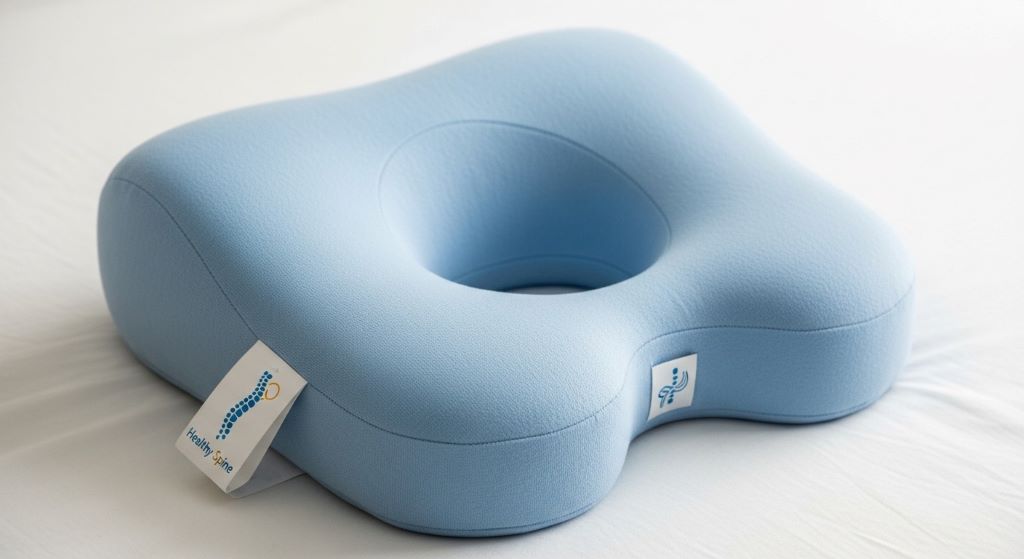
Orthopedic pillows come in various shapes, each designed to support different sleeping positions and address specific needs.
Contoured pillows feature a curved design with a dip in the center and raised edges. This shape cradles the neck while supporting the head at an optimal angle. These work exceptionally well for back sleepers and children who tend to stay in one position throughout the night.
Cervical roll pillows have a cylindrical shape that supports the natural curve of the neck. Some designs combine this roll with a flat section for the head. These pillows encourage proper neck alignment and can be particularly helpful for children recovering from neck injuries.
Standard rectangular pillows with orthopedic cores provide familiar comfort while offering therapeutic support. They look like regular pillows but contain specialized foam or support structures inside. Children who resist different-looking pillows often accept these more readily.
Wedge pillows elevate the upper body at an angle. While not traditional neck support pillows, they help children with acid reflux, respiratory issues, or sinus problems. Some children benefit from combining a wedge with a thin neck support pillow on top.
Travel-sized orthopedic pillows maintain support during car trips or vacations. Consistent support matters for children with chronic neck issues, making these smaller versions valuable additions to your purchase.
Evaluating Firmness Levels for Optimal Support
Firmness directly affects how well a pillow maintains proper alignment. Too soft allows the head to sink excessively, while too firm creates pressure points and discomfort.
Generally, children need softer pillows than adults because they weigh less. The pillow should compress slightly under their head’s weight but not collapse completely. Think of it as responsive rather than rigid.
Side sleepers need slightly firmer support to fill the space between the shoulder and head. This prevents the head from tilting downward toward the mattress. Test the firmness by having your child lie on their side. Their spine should form a straight line from their neck through their lower back.
Back sleepers require medium firmness that supports the neck’s natural curve without pushing the head too far forward. When lying on their back, your child’s head should align naturally with their spine, neither tilting up nor dropping back.
Stomach sleeping is generally discouraged for neck health. However, if your child insists on this position, they need an extremely soft, thin pillow to minimize neck rotation. Better yet, help them gradually transition to side or back sleeping.
Adjustable pillows let you modify firmness as your child grows or their needs change. Look for designs with removable inserts or adjustable fills that can be customized over time.
Considering Cover Materials and Washability
The pillow cover your child’s face rests against matters as much as the internal support structure. Covers affect breathability, comfort, and hygiene maintenance.
Organic cotton covers are soft, breathable, and gentle on sensitive skin. They allow air circulation, helping regulate temperature throughout the night. Additionally, cotton is easy to wash and maintains its properties through many cleaning cycles.
Bamboo-derived fabrics offer natural moisture-wicking and antibacterial properties. These covers stay cooler and fresher than standard cotton. Bamboo is also softer and more sustainable than conventional materials.
Moisture-wicking synthetic fabrics keep the sleeping surface dry by pulling perspiration away from skin. These work well for children who sweat during sleep or have sensitive skin prone to irritation from dampness.
Hypoallergenic covers protect against dust mites, mold, and other allergens. If your child has allergies or asthma, prioritize pillows with tightly woven, allergen-resistant covers.
Removable, washable covers are essential for maintaining hygiene. Children’s pillows need regular washing due to drool, sweat, and occasional accidents. Machine-washable covers make this routine maintenance simple and effective.
Addressing Common Sleep Position Challenges
Most children change positions multiple times during the night. Therefore, versatility becomes an important consideration when selecting a neck support pillow kids can use comfortably in various positions.
Combination sleepers need pillows that support multiple positions adequately. Look for designs that work reasonably well whether your child is on their back, side, or front. Avoid highly specialized shapes that only function in one position.
Restless sleepers who move constantly might do better with traditional shapes rather than contoured designs. The freedom to adjust position without the pillow feeling “wrong” helps them sleep more peacefully.
Children who prefer sleeping curled up need pillows that maintain support even when their chin tucks toward their chest. A posture pillow child uses in this position should be firm enough to prevent excessive neck flexion.
Those who sprawl across the bed might need larger pillows or multiple smaller ones. Some parents find success using two small orthopedic pillows rather than one standard size, giving their child options depending on position.
Recognizing Quality Indicators and Safety Certifications
Not all orthopedic pillows are created equal. Knowing what quality indicators to look for protects your investment and your child’s health.
CertiPUR-US certification for foam products ensures the materials are made without harmful chemicals like formaldehyde, heavy metals, or ozone depleters. This certification also guarantees low VOC emissions, important for products your child will breathe near for hours each night.
OEKO-TEX Standard 100 certification tests the final product for harmful substances. This goes beyond just the foam to include covers, zippers, and other components. Look for this certification especially for pillows marketed to young children.
Greenguard Gold certification indicates the pillow has been tested for thousands of chemicals and meets strict emissions standards. This matters particularly for children with chemical sensitivities or respiratory conditions.
Quality construction shows in details like reinforced seams, durable zippers, and well-finished edges. Check that internal components won’t shift or bunch up during use. Poorly constructed pillows lose their supportive properties quickly.
Warranty coverage indicates manufacturer confidence in their product. Quality children’s orthopedic pillows typically come with at least a one-year warranty. Some premium options offer three to five years, reflecting superior materials and construction.
Introducing the New Pillow Successfully
Even the perfect pillow won’t help if your child refuses to use it. Transition strategies can make the difference between success and a rejected pillow sitting unused in the closet.
Involve your child in the selection process when age-appropriate. Let older children help choose colors or patterns if multiple options exist. This ownership increases acceptance and enthusiasm.
Explain why the new pillow matters using age-appropriate language. Younger children might respond to “this helps you grow strong,” while older kids can understand concepts about posture and preventing pain.
Allow a gradual transition period. Place the new pillow on the bed alongside their old one, letting them choose each night. Many children naturally gravitate toward the better support after trying both options.
Create positive associations by making it special. Consider purchasing matching pillow covers with favorite characters or colors. This excitement can override resistance to change.
Be patient with the adjustment period. Some children need several nights to get used to different support. Monitor comfort levels and be willing to make changes if the pillow truly doesn’t suit your child.
Budget Considerations and Value Assessment
Orthopedic pillows for children range from affordable basic models to premium specialty products. Understanding what drives these price differences helps you make a value-based decision.
Budget options under thirty dollars typically use synthetic fills and basic shapes. They may provide adequate support for children without specific issues but generally lack durability and advanced features.
Mid-range pillows between thirty and sixty dollars often incorporate memory foam or latex, better construction, and removable covers. These represent good value for most families, providing quality support without excessive cost.
Premium pillows over sixty dollars feature advanced materials, specialized designs, and comprehensive certifications. They’re worth considering for children with chronic neck problems or conditions requiring extra support.
Consider longevity when evaluating cost. A forty-dollar pillow lasting three years costs less annually than a twenty-dollar pillow replaced yearly. Quality construction and durable materials provide better long-term value.
Some insurance plans cover orthopedic pillows when prescribed by a doctor for specific medical conditions. Check with your provider if your child has diagnosed neck problems or related conditions.
Monitoring Effectiveness and Making Adjustments
Purchasing the pillow is just the beginning. Ongoing assessment ensures it continues meeting your child’s changing needs.
Observe your child’s sleep quality in the weeks after introducing the new pillow. Better sleep typically indicates appropriate support, while continued restlessness might signal the need for adjustments.
Ask about comfort regularly. Children can’t always articulate specific issues, but questions like “does your neck feel good when you wake up” provide valuable feedback.
Watch for physical signs of poor support. Morning neck stiffness, headaches, or complaints of shoulder pain suggest the pillow isn’t working correctly. Don’t ignore these symptoms.
Reassess every six months as your child grows. Growth spurts can quickly make a well-fitted pillow inadequate. Height and weight changes affect support needs significantly.
Be willing to try different options if the first choice doesn’t work perfectly. Bodies are individual, and sometimes finding the right pillow requires experimentation. Keep receipts and understand return policies before purchasing.
Complementary Sleep Hygiene Practices
An orthopedic pillow works best as part of comprehensive sleep health practices. Supporting your child’s overall sleep environment enhances the pillow’s effectiveness.
Ensure the mattress provides appropriate support. A sagging or overly soft mattress undermines even the best pillow’s benefits. The mattress and pillow should work together to maintain spine alignment.
Establish consistent sleep schedules. Regular bedtimes and wake times help regulate your child’s natural sleep cycles, improving overall rest quality regardless of pillow choice.
Create a calming bedtime routine. Activities like reading together, gentle stretching, or quiet music help children transition to sleep more easily. Relaxed muscles benefit more from proper support.
Limit screen time before bed. The blue light from devices and the mental stimulation interfere with falling asleep naturally. Additionally, device use often involves poor posture that creates tension an orthopedic pillow must then address.
Maintain a comfortable room temperature. Children sleep best in slightly cool environments, typically between 65 and 70 degrees Fahrenheit. Proper temperature prevents tossing and turning that disrupts positioning.
Conclusion
Choosing an orthopedic pillow for your child involves careful consideration of multiple factors. Size, materials, shape, and firmness all play important roles in providing the support growing bodies need. A neck support pillow kids can use comfortably makes a significant difference in sleep quality and long-term health.
Remember that each child is unique. What works perfectly for one may not suit another, even within the same family. Pay attention to your child’s specific sleeping habits, body size, and any existing neck or posture concerns when making your selection.
Quality matters when it comes to children’s sleep products. Look for certified materials, solid construction, and appropriate safety standards. However, the most expensive option isn’t always the best fit. Focus on finding the right match for your child’s individual needs rather than simply choosing the highest-priced pillow.
Monitor how well the pillow works after purchase and be prepared to make adjustments as your child grows. The right pillow today may need replacement or modification in six months or a year. This ongoing attention to your child’s sleep support contributes to their healthy development and establishes good sleep habits that benefit them throughout life.
Frequently Asked Questions
At what age should I switch my child from a regular pillow to an orthopedic one?
Most children can transition to an orthopedic pillow around age three to five, though specific timing depends on individual needs. If your child shows signs of neck discomfort, poor sleep quality, or developing posture issues, consider making the switch earlier. Children with medical conditions affecting muscle tone or spine alignment may benefit from orthopedic support even younger, but consult your pediatrician first for personalized guidance.
How do I know if the pillow height is correct for my child?
When your child lies on their side, their spine should form a straight line from head to hips without tilting up or down. On their back, the head should rest naturally aligned with the spine, not pushed forward or dropped backward. You can place your hand under their neck while they’re sleeping. If there’s a large gap, the pillow is too low. If the neck feels compressed, it’s too high.
Can an orthopedic pillow help correct my child’s posture problems?
While a posture pillow child uses during sleep provides proper alignment for seven to ten hours nightly, it cannot completely correct posture problems caused by daytime habits. However, it can prevent nighttime reinforcement of poor posture and give developing muscles and spine the support needed for healthy growth. Combine the pillow with attention to daytime posture, appropriate furniture, and possibly physical therapy for comprehensive posture improvement.
How often should I replace my child’s orthopedic pillow?
Replace the pillow when it no longer maintains its shape, shows visible wear, or stops providing adequate support. Quality orthopedic pillows typically last two to three years with proper care. However, you may need to replace it sooner if your child experiences a growth spurt that changes their support needs. Additionally, if the pillow develops odors that don’t wash out or your child’s sleep quality decreases, consider replacement regardless of age.
Are expensive orthopedic pillows significantly better than budget options?
Higher-priced pillows generally offer superior materials, better durability, advanced features, and comprehensive safety certifications. However, expensive doesn’t always mean better for your specific child. A moderately priced pillow with appropriate size, firmness, and materials often works just as well as premium options. Focus on finding the right fit for your child’s needs rather than assuming the most expensive option is best. Read reviews from other parents and prioritize certified materials and construction quality.
Related Topics:
How to Style Modern Queen Bedroom Sets Like a Designer
Best Ergonomic Bath Pillows for Neck and Back Support