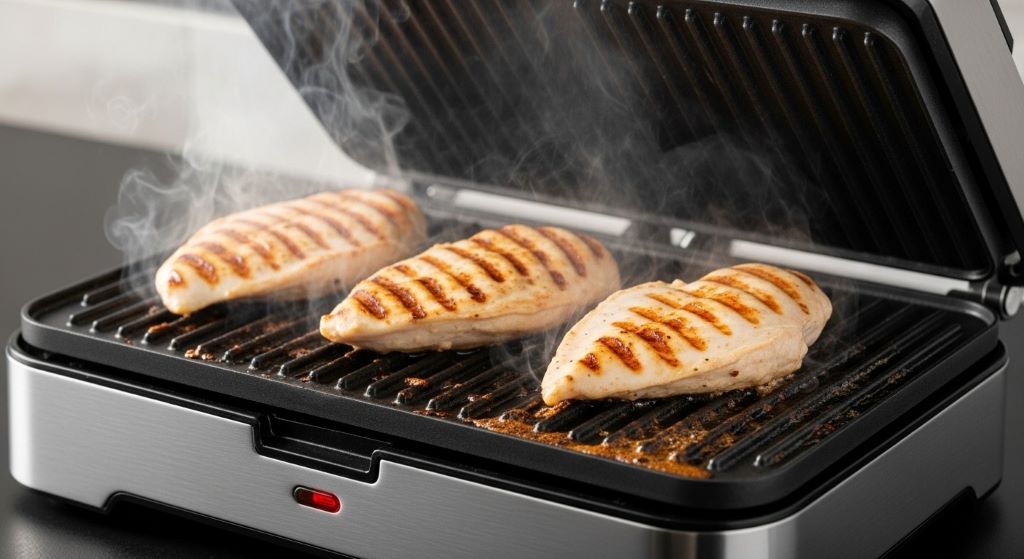

Electric contact grills have revolutionized home cooking by offering convenience, speed, and versatility. These compact appliances can help you prepare restaurant-quality meals without extensive culinary skills. Whether you want to make breakfast sandwiches, grilled vegetables, or juicy steaks, mastering your electric grill opens up endless possibilities. This guide will walk you through everything you need to know to create perfect meals every time.
Getting Started with Your Electric Grill
Before cooking your first meal, familiarize yourself with your appliance. Most electric grills feature two heated plates that press together, cooking food from both sides simultaneously. This design reduces cooking time significantly compared to traditional methods. Additionally, many models come with indicator lights that show when the unit is ready for use.
Start by reading the manufacturer’s instructions carefully. Each model has unique features and specifications. Some units offer adjustable height settings, while others come with removable plates for easy cleaning. Understanding these features helps you maximize your cooking potential.
Place your grill on a stable, heat-resistant surface with adequate ventilation. Ensure the cord is safely positioned to avoid accidents. Moreover, keep flammable materials away from the cooking area. Safety should always be your top priority when using any kitchen appliance.
Preparing Your Grill for Cooking
Proper preparation ensures optimal cooking results. First, plug in your appliance and allow it to preheat. The non-stick plates require a few minutes to reach the ideal cooking temperature. Most units have indicator lights that change color when ready. However, waiting an extra minute after the light signals readiness often produces better results.
While preheating, prepare your ingredients. Cut vegetables into uniform sizes for even cooking. Pat meat dry with paper towels to achieve better searing. Season your food according to your preferences. Therefore, having everything ready before cooking begins makes the process smoother and more enjoyable.
Lightly brush the cooking surface with oil if needed. Although modern grills feature non-stick plates, a thin layer of oil can enhance browning and prevent sticking with certain foods. Use a heat-resistant brush or paper towel for application. Consequently, this extra step improves texture and flavor in your finished dishes.
Mastering Temperature Settings
Understanding temperature control is crucial for achieving perfect results. Different foods require different heat levels. For instance, delicate fish needs lower temperatures, while steaks benefit from high heat. Learning these distinctions transforms your cooking outcomes dramatically.
Start with medium heat for most foods. This setting works well for chicken, pork chops, and vegetables. Once you gain confidence, experiment with higher temperatures for searing meat or lower settings for melting cheese. Additionally, thinner foods cook faster than thick cuts, so adjust your timing accordingly.
Many modern grills offer precise temperature control, allowing you to select specific degrees rather than vague settings. This feature provides consistency across multiple cooking sessions. Furthermore, maintaining the right temperature prevents overcooking or undercooking your meals. Practice with various settings to discover what works best for your favorite recipes.
Cooking Times and Techniques
Timing is everything when grilling. Overcooked food becomes dry and tough, while undercooked items pose health risks. Generally, most foods cook within three to ten minutes, depending on thickness and type. However, always check for doneness rather than relying solely on time.
For meats, use a food thermometer to verify internal temperature. Chicken should reach 165 degrees Fahrenheit, while beef varies based on desired doneness. Fish becomes opaque and flakes easily when ready. Therefore, these visual and temperature cues ensure food safety and quality.
Avoid pressing down on food while cooking. The grill plates already provide sufficient pressure for even cooking. Pressing releases valuable juices that keep food moist and flavorful. Instead, close the lid gently and let the appliance work its magic. This patience pays off with juicier, more delicious results.
Creating Breakfast Favorites
Electric grills excel at preparing morning meals quickly. Pancakes, French toast, and bacon cook beautifully on these appliances. The even heat distribution ensures consistent browning without constant monitoring. Moreover, you can cook multiple items simultaneously, saving precious morning time.
For pancakes, pour batter onto the preheated surface and close the lid partially. This technique creates fluffy, evenly cooked pancakes in minutes. French toast also benefits from the dual-sided cooking approach. Dip bread in egg mixture and grill until golden brown on both surfaces.
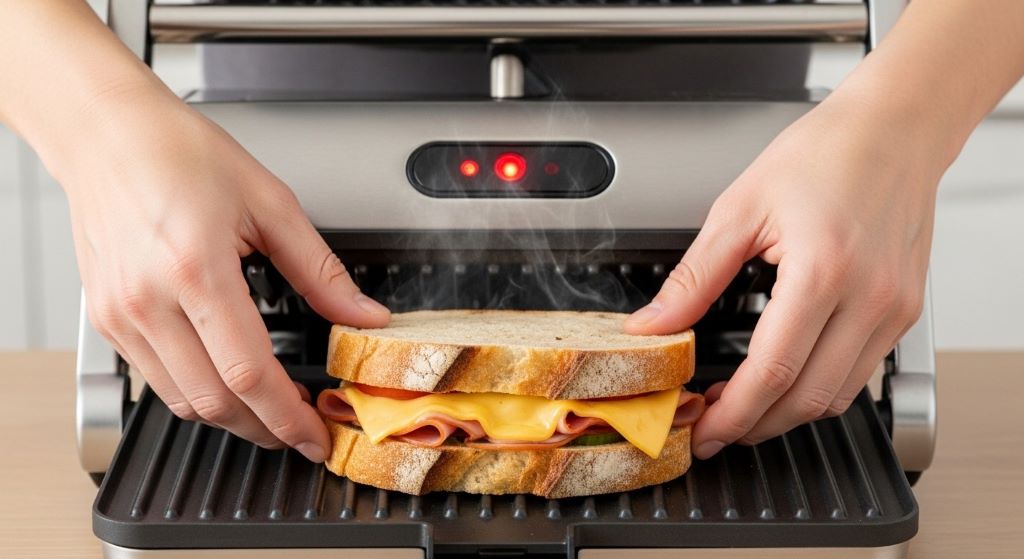
Breakfast sandwiches become incredibly easy with an electric grill. Stack English muffins, eggs, cheese, and meat, then press until everything melds together perfectly. The fast heating capability means breakfast is ready before you finish your coffee. Additionally, cleanup is minimal compared to using multiple pans on the stovetop.
Preparing Delicious Lunch Options
Lunchtime possibilities are endless with your electric grill. Paninis, quesadillas, and grilled vegetables all turn out exceptionally well. The pressed cooking style creates those desirable grill marks and crispy textures that elevate simple ingredients into restaurant-quality meals.
For paninis, layer bread with meats, cheese, and vegetables. The weight of the top plate compresses ingredients while toasting the bread perfectly. Experiment with different combinations to discover your favorites. Similarly, quesadillas achieve ideal crispiness with melted cheese centers in just minutes.
Grilled vegetables make healthy, flavorful sides or main dishes. Slice zucchini, bell peppers, eggplant, and onions evenly. Brush with olive oil and season with herbs. The grill caramelizes natural sugars while maintaining a slight crunch. Therefore, even vegetable skeptics often enjoy produce prepared this way.
Mastering Dinner Entrees
Dinner preparation becomes simpler with an electric contact grill. Chicken breasts, pork chops, fish fillets, and steaks all cook to perfection. The key is understanding each protein’s specific requirements and adjusting accordingly.
Chicken breasts benefit from pounding to even thickness before cooking. This ensures uniform cooking throughout. Season generously and grill for approximately five to seven minutes, depending on size. The result is juicy chicken with beautiful grill marks. Furthermore, marinating beforehand adds extra flavor and tenderness.
Fish cooks quickly due to its delicate nature. Salmon, tilapia, and mahi-mahi work particularly well. Cook fish for three to five minutes, watching carefully to avoid overcooking. The flesh should be opaque and flake easily when tested with a fork. Additionally, a light coating of oil prevents sticking on the non-stick plates.
Steaks require high heat for proper searing. Bring meat to room temperature before cooking for best results. Season simply with salt and pepper to highlight the natural flavor. Cooking time varies based on thickness and desired doneness. Let steaks rest for a few minutes after cooking to redistribute juices throughout the meat.
Exploring Creative Recipes
Once you master basic techniques, explore creative possibilities. Desserts, fruits, and unconventional items can surprise you with delicious results. Grilled pound cake with strawberries makes an elegant dessert. Pineapple slices caramelize beautifully, creating a tropical treat.
Try making stuffed sandwiches by hollowing out bread and filling with various ingredients. Pizza pockets, stuffed burgers, and calzones all work wonderfully. The sealed edges prevent fillings from escaping while everything cooks to perfection. Moreover, these creative applications make meals more interesting for family members.
Experiment with different cuisines using your grill. Greek-inspired chicken, Mexican fajitas, Asian-style fish, and Italian paninis all adapt well to this cooking method. Therefore, your electric grill becomes a passport to global flavors without complicated techniques or specialized equipment.
Maintaining Your Grill
Proper maintenance extends your appliance’s lifespan and ensures continued excellent performance. Cleaning after each use is essential. Wait until the grill cools completely before cleaning. However, wiping the surface while still slightly warm can make removal of stuck-on food easier.
Most grills with non-stick plates require only gentle cleaning. Use a soft sponge or cloth with warm soapy water. Avoid abrasive scrubbers that damage the coating. For stubborn residue, place a damp paper towel on the closed grill and turn it on briefly. The steam loosens debris for easy removal.
If your model has removable plates, take advantage of this feature. Many are dishwasher safe, making cleanup even simpler. Additionally, washing removable parts thoroughly prevents buildup that affects cooking performance. Regular deep cleaning maintains the non-stick properties over time.
Empty and clean the drip tray after each use. Accumulated grease can cause odors and smoking during subsequent cooking sessions. Therefore, this simple step keeps your kitchen smelling fresh and your grill functioning properly.
Troubleshooting Common Issues
Even with proper use, occasional issues may arise. Understanding how to address them quickly keeps your cooking on track. If food sticks despite the non-stick surface, the grill may need more preheating time. Additionally, using too little oil with certain foods can cause sticking.
Uneven cooking often results from unevenly cut ingredients or overcrowding the grill surface. Ensure pieces are similar in size and leave space between items for proper heat circulation. Furthermore, the temperature control setting might need adjustment based on food type.
If your grill produces excessive smoke, check the drip tray for overflow. Excess grease can burn and create smoke. Also, using too high a temperature for delicate foods causes smoking. Lower the heat setting and ensure proper ventilation in your cooking area.
Strange odors might indicate food buildup in hard-to-reach areas. Perform a thorough cleaning, paying attention to crevices and hinges. Moreover, running the grill empty for a few minutes can burn off residual particles causing the smell.
Safety Tips and Best Practices
Safety should never be compromised in pursuit of perfect meals. Always use heat-resistant utensils when handling food on the grill. Silicone, wooden, or plastic tools prevent scratching the non-stick plates while protecting your hands from burns.
Never immerse the main unit in water. Only removable parts should be washed in the sink or dishwasher. The electrical components must stay dry to prevent damage and safety hazards. Additionally, ensure your hands are dry when plugging or unplugging the appliance.
Keep children and pets away from the grill during operation. The exterior becomes hot and can cause burns. Place the grill away from counter edges where curious hands might reach. Therefore, establishing a safe cooking zone protects everyone in your household.
Unplug the grill when not in use and before cleaning. This simple habit prevents accidental activation and electrical issues. Moreover, store the cooled appliance in a safe location where it won’t be damaged or cause injury.
Conclusion
Mastering your electric contact grill opens up a world of culinary possibilities. By understanding proper preparation, temperature control, and cooking techniques, you can create restaurant-quality meals in minutes. The convenience of fast heating combined with the reliability of non-stick plates makes this appliance indispensable in modern kitchens.
Remember to start with proper preheating and temperature selection for different foods. Practice timing and technique to achieve consistent results. Moreover, regular maintenance ensures your grill continues performing optimally for years. From breakfast favorites to creative dinners and even desserts, your electric grill handles it all with ease.
Safety and proper care protect both you and your investment. Follow manufacturer guidelines, clean regularly, and use appropriate utensils. Therefore, you’ll enjoy countless delicious meals while keeping your kitchen safe and your appliance in excellent condition.
The versatility of electric contact grills makes them valuable additions to any kitchen. Whether you’re a busy professional seeking quick meals or a cooking enthusiast exploring new techniques, this appliance delivers. Embrace experimentation, learn from each cooking session, and soon you’ll be creating perfect meals effortlessly.
Frequently Asked Questions
How long should I preheat my electric contact grill?
Most electric grills need approximately three to five minutes of preheating. Wait until the indicator light signals readiness, then add an extra minute for optimal results. However, thicker foods benefit from a fully heated surface, so err on the side of slightly longer preheating times.
Can I cook frozen foods directly on the grill?
While possible, cooking frozen items directly often produces uneven results. The frozen center remains undercooked while the exterior overcooks. Therefore, thawing foods to at least room temperature ensures even cooking throughout. If you must cook frozen items, use lower temperatures and extend cooking time significantly.
How do I prevent food from sticking to the grill plates?
Proper preheating is crucial for preventing sticking. Additionally, lightly brushing the surface with oil helps, especially with lean proteins and vegetables. Ensure the non-stick coating remains intact by using appropriate cleaning tools. Foods with natural sugars may require extra attention to prevent caramelization that causes sticking.
What foods work best on electric contact grills?
Sandwiches, chicken breasts, fish fillets, thin steaks, vegetables, and breakfast items all work excellently. Generally, foods with relatively even thickness cook most successfully. However, experimenting reveals surprising possibilities. Fruits, certain desserts, and creative stuffed items can produce delicious results with proper technique.
How often should I deep clean my electric grill?
Perform basic cleaning after every use for best results. Deep cleaning depends on usage frequency but aim for thorough cleaning at least once monthly. If you notice performance changes or buildup despite regular wiping, conduct a deep clean immediately. Moreover, following manufacturer recommendations for your specific model ensures longevity and optimal performance.
Related Topics:
How to Reduce Kitchen Odors Naturally: Fresh Tips for a Pleasant Home
Renovate with Confidence: Trusted Kitchen and Bathroom Remodeling