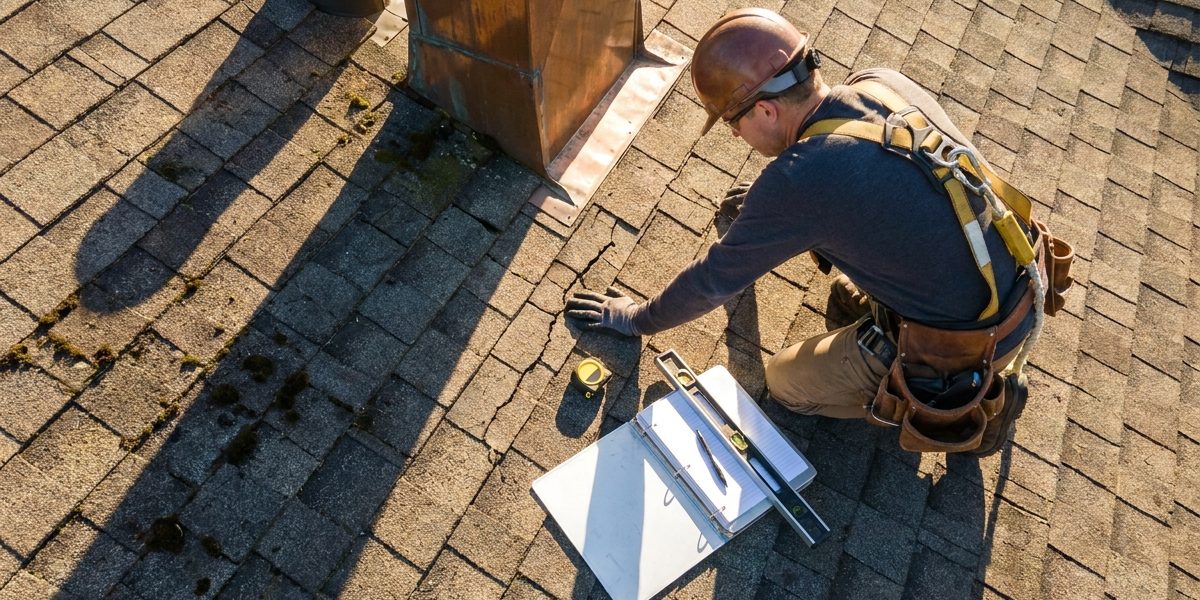
Roof Maintenance Checklist: Inspections, Warning Signs, And Replacement Planning

Key Takeaways
- Inspect from the ground and inside the attic before considering roof access.
- Address active leaks, loose flashing, blocked drainage, and storm damage promptly.
- Compare the scope of damage, roof age, and repair history before choosing repair or replacement.
- Keep photos, invoices, inspection notes, and warranty documents in one maintenance record.
A roof can develop small defects long before water reaches the ceiling or causes an obvious interior problem. Seasonal checks help property owners notice loose materials, drainage issues, and aging components early. When a closer evaluation is needed, a qualified roofing company can help identify the condition of the roof system without relying on guesswork.
Maintenance cannot make a roof last forever, but it can make repair and replacement decisions less urgent. Keeping an eye on shingles, flashing, gutters, attic moisture, and storm damage creates a clearer picture of what needs attention now and what may need to be planned for later.
Why Roof Maintenance Matters
Roof problems often begin at vulnerable transitions, such as valleys, vents, chimneys, skylights, and roof edges. A missing shingle or failed seal may be minor on its own, but repeated rain and wind can enlarge the opening. Early maintenance can reduce the risk of damage to insulation, framing, drywall, and belongings below.
How To Inspect A Roof Safely
Do not walk on a wet, icy, steep, brittle, or unfamiliar roof. Start with a ground-level review during dry, stable weather, using binoculars if needed. Check the attic with a flashlight for stains, dampness, or daylight at unintended openings. Exterior features such as siding, trim, and wall flashing should also be reviewed because water can enter where the roof and wall systems meet.
Safe Inspection Steps
- Walk around the building and view each roof plane from the ground.
- Look closely at edges, vents, chimneys, valleys, gutters, and skylights.
- Check the upper rooms and the attic after heavy rain.
- Arrange a professional evaluation when access is unsafe or damage appears widespread.
Exterior Roof Maintenance Checklist
- Missing, cracked, curled, lifted, or displaced shingles.
- Loose flashing around chimneys, vent pipes, skylights, and wall intersections.
- Exposed fasteners, split sealant, or damaged pipe boots.
- Granules are collecting heavily in gutters or at downspout outlets.
- Branches rubbing the roof, debris in valleys, or growth that retains moisture.
- Sagging sections, soft-looking areas, or uneven roof planes.
One damaged shingle does not automatically mean the roof needs replacement. The important questions are whether nearby materials remain sound, whether water has entered, and whether similar defects appear across multiple areas.
Attic And Interior Warning Signs
Water does not always drip directly beneath the exterior opening. It can travel along decking, underlayment, rafters, and wiring before appearing on a ceiling. Look for dark stains on sheathing, damp insulation, musty odors, rusted fasteners, peeling paint, bubbling drywall, or repeated condensation.

What To Do After Severe Weather
After wind, hail, heavy rain, ice, or falling branches, prioritize safety over a close-up inspection. Stay away from downed power lines, unstable trees, and visibly damaged sections of the structure. Follow official disaster-preparedness guidance and wait until conditions are safe before documenting damage.
- Check ceilings, upper rooms, and the attic for active water intrusion.
- Place containers under drips when it is safe to do so.
- Photograph visible damage from the ground and record the storm date.
- Save receipts for reasonable temporary measures and review insurance policy terms.
- Request an inspection before authorizing major repairs or replacement work.
When To Repair And When To Replace
Roof age is a useful context, but it should not be the only deciding factor. Material condition, the size and location of damage, the condition of the deck, ventilation, and prior leak history all matter.
Repair May Be Reasonable When
- Damage is confined to a small area.
- Surrounding materials are intact and still flexible.
- The roof deck is dry and structurally sound.
- A localized flashing, fastener, or sealant failure caused the issue.
Replacement May Be Worth Discussing When
- Leaks repeatedly return after repairs.
- Damage appears across several roof sections.
- Shingles are brittle, curling, cracked, or losing substantial granules.
- Decking shows rot, sagging, or widespread moisture damage.
A written scope should separate materials, tear-off, underlayment, flashing, ventilation, decking allowances, disposal, permits, cleanup, warranties, and potential added costs.
How Roofing Materials Affect Maintenance
- Asphalt shingles: Watch for granule loss, cracks, curling, and lifted tabs.
- Metal roofing: Check seams, fasteners, coatings, corrosion, and damaged panels.
- Clay, concrete tile, and slate: Look for broken or displaced pieces and worn fasteners beneath them.
- Low-slope roofs: Check drains, seams, membrane damage, and standing water.
Cleaning methods should suit the roofing material. Aggressive pressure washing can damage some surfaces and should not be assumed safe.
Gutters, Drainage, And Ventilation
A roof is part of a larger moisture-management system. Clear gutters and downspouts, confirm water moves away from the foundation, and remove debris that blocks valleys or drains. In the attic, excessive heat, condensation, musty odors, and premature surface aging may indicate that ventilation deserves evaluation.
Questions To Ask Before Roof Work
- Which areas need work, and what evidence supports that recommendation?
- Will the attic, decking, flashing, and ventilation be evaluated?
- Which materials and underlayment are included?
- How will hidden damage, permits, cleanup, and disposal be handled?
- What workmanship and material warranties apply?
How To Keep A Roof Maintenance Record
Store installation dates, material details, inspection notes, invoices, repair photos, storm documentation, warranty information, and gutter-cleaning dates in a single digital folder or file. A clear record can reveal recurring trouble spots and make future planning easier.
Frequently Asked Questions
How Often Should A Roof Be Checked?
Perform seasonal ground-level and attic checks, plus an additional review after hail, strong winds, heavy rain, or fallen debris.
Can A Small Roof Leak Wait?
It should be evaluated promptly. Even a small leak can affect insulation, framing, ceilings, electrical components, and indoor finishes over time.
Is Moss Always A Sign Of Replacement?
No. Light growth on an otherwise sound roof may call for careful cleaning and maintenance. Growth accompanied by soft decking, lifted materials, or leaks is more concerning.
What Should A Replacement Estimate Include?
It should clearly identify labor, materials, tear-off, underlayment, flashing, ventilation, decking allowances, waste removal, permits, cleanup, warranties, and change-order terms.
Conclusion
Routine checks, careful storm documentation, clear records, and timely repairs can make roof maintenance more manageable. When deterioration becomes widespread or leaks continue returning, a detailed replacement plan provides a better basis for comparing options.