Colorado’s pool owners face a maintenance reality that few generic guides acknowledge: the same pool that needs daily skimming in July will sit under ice and snow for months, then reopen into a season of intense UV, dust, and afternoon thunderstorms. Ignoring that rhythm leads to cracked plaster, algae blooms, and costly repairs. Getting it right means adjusting chemistry, filtration, and cleaning to the Front Range’s altitude and climate. Whether you are troubleshooting cloudy water or planning to automate debris removal with tools like the BestVacuumCleaner.us guide to robotic pool cleaners, this season-by-season approach will help you protect your investment year-round.
Quick Answer
Maintain a Colorado pool with two distinct routines. From roughly May to September, keep pH between 7.4 and 7.6, free chlorine at 2–4 ppm, run the pump 8–12 hours daily, and clean debris weekly. From October to April, winterize by balancing chemicals, lowering the water level, blowing out lines, and covering the pool. Rebalance chemistry in spring before reopening, and expect altitude and dust to affect dosing more than in low-elevation states.
Key Takeaways
- Colorado pools need active maintenance for about five months and proper winterization for the rest—treating both seasons as real maintenance phases prevents most damage.
- High altitude, intense sun, and windblown dust make sanitizer and pH control harder here, so test chemistry at least two to three times per week during swim season.
- Water left in pipes, skimmers, or equipment through a hard freeze can crack them, which is why a complete winterization procedure matters more than simply covering the pool.
- Debris management—via skimming, a quality vacuum, or an automated cleaner—is not cosmetic; organic matter consumes chlorine and feeds algae.
- Spring startup is a distinct task, not just “uncovering the pool,” and skipping it is a common reason pools open green in May.
Why Colorado Is Different From a Typical Pool Climate
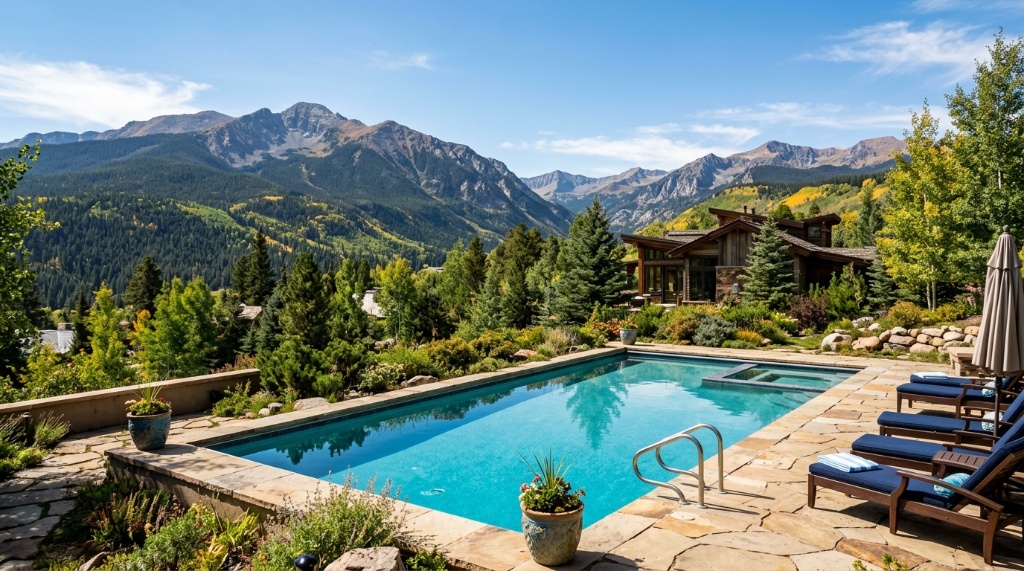
Colorado combines conditions that make pool care harder than the average guide implies. The state sits at high elevation, so ultraviolet radiation is stronger, which destroys chlorine faster and raises sanitizer demand. Air is dry, accelerating evaporation and making it easy to lose track of water level and chemistry. Wind carries dust and pollen off the plains and foothills, adding debris and organic load. Adding to this, the freeze-thaw cycle and hard overnight freezes mean water left in plumbing or equipment can cause real damage. The practical consequence: dosing that works in a humid, low-elevation state often falls short here, and winterizing is not optional.
Swim Season Maintenance: May Through September
This is the period when the pool is open and actively used. The goal is stable, sanitized water and consistent circulation. Many of the tasks below are routine but forgiving—miss a week and you’ll see it in the water clarity, not immediately in your wallet.
Testing and Balancing Water Chemistry
Test pH and free chlorine at least every other day, and total alkalinity and stabilizer (cyanuric acid) weekly. Target ranges that work well in Colorado’s conditions:
| Parameter | Target Range | Why It Matters Here |
|---|---|---|
| Free chlorine | 2–4 ppm | Strong UV burns it off faster at altitude |
| pH | 7.4–7.6 | Affects chlorine effectiveness and comfort |
| Total alkalinity | 80–120 ppm | Stabilizes pH against swings |
| Cyanuric acid (stabilizer) | 30–50 ppm | Protects chlorine from sunlight |
The stabilizer number is the one many owners overlook. Without adequate cyanuric acid, chlorine from a sunny Colorado afternoon can be largely gone by evening. That said, too much stabilizer reduces chlorine’s ability to sanitize, so it’s worth testing rather than assuming.
Circulation and Filtration
Run the pump 8–12 hours per day during the swim season. The exact duration depends on pool volume and turnover rate—most residential pools should cycle their full volume at least once daily. Clean or backwash the filter when the pressure gauge reads 8–10 psi above its clean baseline. During monsoon season (roughly July–August), afternoon storms drop debris and runoff into the pool, so check the skimmer basket more often.
Debris and Surface Cleaning
Organic debris is not just unsightly—it consumes chlorine as it breaks down, creating a window for algae. Skim the surface daily, brush walls and steps weekly, and vacuum the floor when debris accumulates. For larger debris loads or for owners who want to reduce manual cleaning time, a robotic cleaner can handle much of the floor and wall work independently. Basic seasonal maintenance supplies and a routine vacuum session remain the foundation regardless of what equipment you use.
Winterization: October Through April
In most of Colorado, pools are closed and covered for roughly half the year. Doing this correctly is the difference between a smooth spring opening and a cracked line or a green swamp in April.
Balancing Before You Close
Do not close a pool with unbalanced water. Adjust pH to around 7.4–7.6, alkalinity to the normal range, and bring chlorine to a slightly elevated level. Then add a winterizing algaecide according to the manufacturer’s instructions. Some owners also use a winterizing chemical kit. The goal is to leave water that is chemically stable through months of cold and dark, Before planning your ongoing maintenance routine, you might also want to explore maximizing your backyard’s potential innovative ideas for swimming pool designs to get inspired for your next outdoor upgrade.
Water Level, Lines, and Equipment
Lower the water level below the skimmer and return lines. Blow out the plumbing with air and plug the lines, or add pool antifreeze designed for the purpose where appropriate. Drain water from the pump, filter, heater, and any other equipment that holds water. This step prevents freeze damage, and it is the one most often rushed. Any water left in an outdoor line through a Colorado cold snap can expand and crack the pipe or the equipment.
Covering the Pool
Use a winter cover sized for your pool and secure it properly. A loose cover that collects snow and refreezes can tear or pull at the anchors. Check the cover periodically through the winter, especially after heavy snow, and remove standing water from the top surface if possible to reduce weight.
Spring Startup: What Actually Matters
Opening the pool is not simply a matter of removing the cover and adding chlorine. A proper startup sequence catches problems early and gets the water safe for swimming faster.
- Remove the cover and clean it before storage.
- Reinstall plugs, fittings, and equipment that were removed for winter.
- Refill the pool to the operating level and start the pump to check for leaks.
- Clean or backwash the filter and run the system for several hours.
- Test and balance pH, alkalinity, stabilizer, and chlorine.
- Shock the pool if the water is cloudy or shows any sign of algae, then run the filter continuously until clear.
- Inspect the pool for damage—cracks, lifted liner edges, or equipment issues—before heavy swim use begins.
Water that looks clear on opening day can still be chemically out of balance. Skipping the balance step is the most common cause of irritation, cloudy water, or an algae bloom in the first two weeks of the season.
Common Mistakes Colorado Pool Owners Make
These appear more often here than in states with milder winters:
- Winterizing with unbalanced water. Closing with high pH or low chlorine gives algae a head start before spring.
- Leaving water in the lines. A single hard freeze can crack pipes that seemed fine in the fall.
- Ignoring stabilizer. Skipping cyanuric acid testing in summer means chlorine is used up faster than the owner realizes.
- Vacuuming only when the pool looks dirty. Debris should be removed before it becomes a chemical problem, not after.
- Opening late. The longer the pool sits uncovered with no circulation, the more work spring startup becomes.
Frequently Asked Questions
How often should I test my pool water in Colorado?
During swim season, test pH and free chlorine at least every other day, and test alkalinity and stabilizer weekly. High altitude and UV exposure cause faster chemistry changes than in many other states.
Do I need to drain my pool completely for winter?
No. Lowering the water level below the skimmer and return lines is enough for most winterization procedures. Completely draining a pool can damage certain liners or surfaces and is not usually necessary or advisable.
Can I keep my pool open year-round in Colorado?
It is possible with a heater and careful freeze protection, but it is far more expensive and labor-intensive than seasonal use. Most Colorado owners close the pool for winter because of the freeze risk and cost.
What causes green water when I open the pool in spring?
Green water usually means algae, which develops when chlorine is depleted or water was closed with the wrong chemistry. Shock the pool, balance the water, and run filtration continuously until it clears.
Is a robotic pool cleaner worth it in Colorado?
It can be, especially if your pool collects heavy dust, pollen, or storm debris. A robotic cleaner reduces manual vacuuming time, but it does not replace chemistry testing or filter maintenance.
What is the biggest winterization risk for a Colorado pool?
Freeze damage to plumbing, skimmers, and equipment. Leaving water in lines or in the pump and filter through a cold snap is the most common cause of expensive repairs.
Conclusion
Maintaining a Colorado pool comes down to respecting two very different seasons. In summer, focus on consistent testing, circulation, and debris removal, because altitude and UV create higher demands on your chemistry. In winter, focus on a complete, methodical winterization, because freeze damage is the costliest mistake you can make. Spring startup deserves its own attention, not a quick uncover-and-shock. Follow this rhythm, and you will spend less time fixing problems and more time actually swimming.