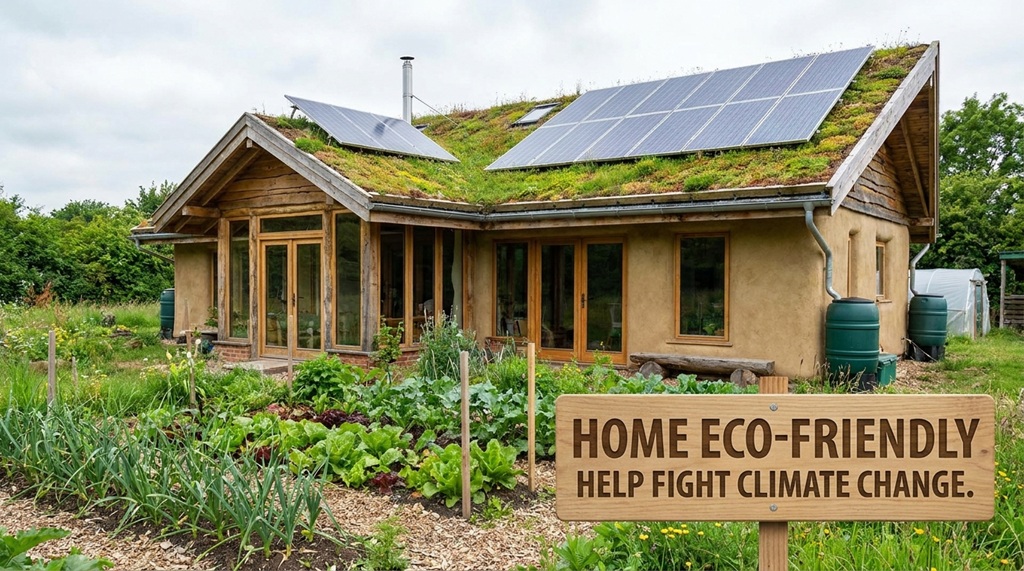

Making your home more eco-friendly helps fight climate change by reducing energy use, lowering carbon emissions, conserving water, and minimizing waste—actions that collectively shrink your household’s environmental footprint.
Most people assume climate change is driven only by governments or large corporations. But residential buildings account for nearly 20% of global energy-related emissions, according to the International Energy Agency. That means everyday household decisions—lighting, appliances, insulation, water use, and waste habits—directly influence the planet’s future.
The problem is that many homes still rely on inefficient systems, fossil-fuel electricity, and disposable consumption patterns. These habits quietly increase carbon emissions every day. Over time, they contribute to rising temperatures, stronger storms, and worsening air quality.
The good news: improving home sustainability does not require expensive renovations or technical expertise. Small, targeted changes can reduce utility bills while supporting climate action. An eco-friendly home is simply a household designed to minimize environmental impact through energy efficiency, water conservation, waste reduction, and responsible material choices.
What Does It Mean to Make Your Home Eco-Friendly?
An eco-friendly home uses fewer natural resources, produces less pollution, and lowers carbon emissions through efficient systems, sustainable materials, and conscious daily habits.
This approach focuses on optimizing how energy, water, and materials are consumed inside a household. Instead of eliminating comfort, it improves efficiency so the same activities require fewer resources.
Which Areas of a Home Have the Biggest Environmental Impact?
Energy use, heating and cooling systems, water consumption, and household waste contribute the most to a home’s environmental footprint.
- Electricity consumption
- Heating and cooling systems
- Lighting efficiency
- Water usage
- Construction materials
- Food waste and packaging
Targeting these areas first delivers the fastest environmental improvements.
How Can Improving Home Energy Efficiency Reduce Carbon Emissions?
Improving energy efficiency reduces carbon emissions by lowering electricity demand from fossil-fuel power plants.
Energy efficiency is the most effective starting point for climate-friendly living. Heating, cooling, and appliances represent the majority of household electricity use.
What Are the Most Effective Energy Efficiency Upgrades?
Switching to LED lighting, sealing air leaks, upgrading insulation, and using energy-efficient appliances significantly reduce electricity consumption.
- Install LED bulbs (use up to 75% less energy)
- Seal doors and windows
- Add attic insulation
- Upgrade inverter air conditioners
- Choose Energy Star appliances
According to the U.S. Department of Energy, sealing air leaks alone can reduce heating and cooling costs by up to 20%.
Is Switching to Renewable Energy at Home Worth It?
Yes, switching to renewable energy like rooftop solar panels reduces dependence on fossil fuels and lowers long-term electricity costs.
Solar power is one of the most practical ways homeowners can directly reduce emissions. Even partial solar adoption offsets grid electricity consumption.
How Much Carbon Can Solar Panels Save?
A typical residential solar system can reduce 3–4 tons of carbon dioxide annually depending on location and usage patterns.
In regions with strong sunlight, rooftop solar becomes even more impactful. Over 20 years, a solar system can offset emissions equivalent to planting hundreds of trees.
How Can Better Insulation Make a Home More Climate Friendly?
Proper insulation reduces heat transfer, lowering the need for artificial heating and cooling.
Many homes lose energy through roofs, walls, and windows. Improving insulation keeps indoor temperatures stable and reduces electricity demand.
Where Should Insulation Be Improved First?
Attics, roofs, windows, and exterior walls offer the biggest opportunities for reducing energy loss.
- Roof insulation
- Double-glazed windows
- Wall insulation
- Weather stripping
Even simple weather sealing can significantly improve indoor comfort while lowering emissions.
Do Smart Home Devices Help Reduce Environmental Impact?
Yes, smart thermostats and energy monitors optimize electricity use and reduce unnecessary consumption.
Smart technology allows homeowners to automate efficiency without changing daily routines.
Which Smart Devices Deliver the Biggest Energy Savings?
Smart thermostats, motion-sensor lighting, and smart plugs provide the highest measurable reductions in energy waste.
- Smart thermostats adjust temperatures automatically
- Smart plugs eliminate standby power usage
- Motion sensors prevent unnecessary lighting
Standby electricity alone can account for up to 10% of home energy use globally.
How Can Water Conservation Help Fight Climate Change?
Reducing water use lowers the energy required for pumping, heating, and treatment, indirectly reducing carbon emissions.
Water systems consume electricity at every stage—from extraction to distribution. Using less water reduces this hidden energy demand.
What Are the Easiest Ways to Save Water at Home?
Installing low-flow fixtures and fixing leaks quickly can dramatically reduce household water consumption.
- Low-flow showerheads
- Dual-flush toilets
- Leak detection
- Rainwater harvesting systems
A single leaking tap can waste over 3,000 liters annually.
Can Sustainable Lighting Reduce Household Energy Use Significantly?
Yes, switching to LED lighting reduces electricity consumption and lowers long-term utility costs.
Lighting accounts for roughly 15% of global household electricity usage.
LED vs Traditional Bulbs: Which Is More Efficient?
LED bulbs use less energy, last longer, and produce lower emissions compared to incandescent bulbs.
| Lighting Type | Energy Use | Lifespan | Environmental Impact |
|---|---|---|---|
| Incandescent | High | 1,000 hours | Highest emissions |
| CFL | Medium | 8,000 hours | Moderate impact |
| LED | Low | 25,000+ hours | Lowest impact |
How Does Reducing Household Waste Help the Environment?
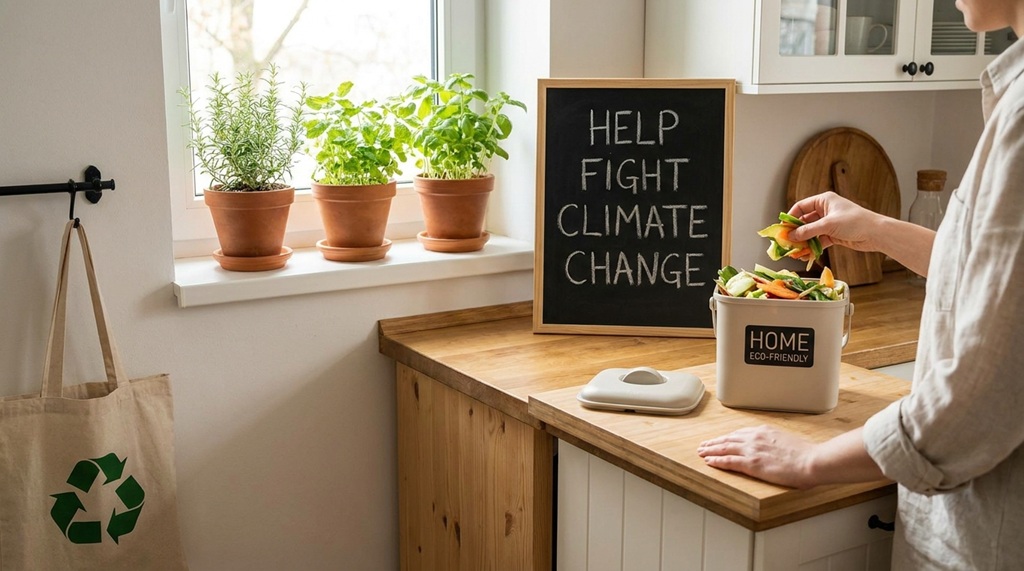
Reducing waste lowers landfill emissions and decreases demand for energy-intensive manufacturing.
Organic waste produces methane in landfills, a greenhouse gas far stronger than carbon dioxide.
What Are the Most Effective Waste Reduction Strategies?
Composting, recycling, and switching to reusable products significantly reduce environmental impact.
- Compost food scraps
- Use reusable containers
- Avoid single-use plastics
- Recycle responsibly
Households that compost can reduce landfill waste by nearly 30%.
Are Eco-Friendly Appliances Worth the Investment?
Yes, energy-efficient appliances reduce electricity use and pay for themselves through lower utility bills.
Modern appliances consume significantly less power than older models.
Which Appliances Should Be Upgraded First?
Refrigerators, air conditioners, washing machines, and water heaters provide the biggest efficiency gains.
- Energy Star refrigerators
- Inverter air conditioners
- Front-load washing machines
- Heat pump water heaters
Replacing a 10-year-old refrigerator can reduce electricity usage by up to 40%.
How Can Sustainable Materials Improve Home Environmental Performance?
Sustainable materials reduce embodied carbon and minimize environmental damage during construction or renovation.
Traditional materials like concrete and steel require high energy production processes.
Which Eco-Friendly Materials Are Best for Homes?
Bamboo, reclaimed wood, recycled steel, and low-VOC paints are among the most sustainable choices.
- Bamboo flooring
- Reclaimed timber
- Recycled insulation
- Low-VOC paint
Low-VOC paints improve indoor air quality while reducing chemical emissions.
Can Changing Daily Habits Really Help Fight Climate Change?
Yes, small behavioral changes reduce energy demand and lower environmental impact over time.
Habit changes multiply across households and communities.
Which Daily Habits Have the Biggest Climate Impact?
Turning off unused electronics, washing clothes in cold water, and reducing food waste deliver measurable results.
- Switch off unused lights
- Unplug idle electronics
- Use cold-water laundry cycles
- Plan meals to avoid food waste
Cold-water washing alone can reduce laundry energy use by up to 90%.
How Can Urban Gardening Support a More Eco-Friendly Home?
Urban gardening reduces food transport emissions and improves local air quality.
Growing herbs and vegetables at home reduces reliance on packaged supermarket products.
What Can Beginners Grow Easily at Home?
Herbs, leafy greens, tomatoes, and chili plants are ideal starter crops.
- Basil
- Spinach
- Mint
- Tomatoes
Even small balcony gardens contribute to climate resilience.
Conclusion: What Is the Most Effective Way to Make Your Home Eco-Friendly Today?
The most effective way to make your home eco-friendly is to combine energy efficiency upgrades, water conservation, waste reduction, and smarter daily habits into a practical sustainability strategy.
Climate change solutions often feel distant or complex. But households influence emissions more than most people realize. Switching to LED lighting, improving insulation, installing efficient appliances, and reducing waste can collectively shrink your carbon footprint significantly.
Start with one improvement this week. Replace inefficient bulbs. Fix leaks. Reduce standby power. Small steps create measurable change.
When many households act together, local sustainability becomes global climate progress.
FAQ: How Can You Make Your Home More Eco-Friendly Quickly and Affordably?
What is the fastest way to make a home eco-friendly?
The fastest improvement is replacing incandescent bulbs with LED lighting and reducing standby electricity usage.
Do eco-friendly homes save money?
Yes, energy-efficient upgrades reduce monthly utility bills and lower long-term maintenance costs.
Is solar energy necessary for an eco-friendly home?
No, solar helps significantly but efficiency improvements alone can reduce emissions substantially.
How much can households reduce their carbon footprint?
Most households can reduce emissions by 20–40% through efficiency upgrades and behavior changes.
Are smart thermostats worth installing?
Yes, smart thermostats optimize heating and cooling automatically and reduce energy waste.
What are the best eco-friendly upgrades for renters?
LED lighting, smart plugs, water-saving fixtures, and reusable household items work well without structural changes.
Does reducing water use really affect climate change?
Yes, water treatment and heating require energy, so conservation lowers indirect carbon emissions.
Read More Also: How to Remove Pet Hair from Your Couch Using
Find out: How Does Anodising Work