How to Compare Homes in Wayland, Massachusetts: Cost, Condition, and Daily Life

Key Takeaways
- Compare total ownership costs, not just asking prices.
- Separate essential features from attractive but optional upgrades.
- Look beyond cosmetic finishes and review the home’s condition and major systems.
- Compare location, commute, layout, privacy, and everyday convenience.
- Use recent comparable sales rather than relying only on listing prices.
- Review inspections, disclosures, taxes, insurance, and offer terms carefully.
- Choose the Wayland home that best fits your budget, lifestyle, and future needs.
Two Wayland homes can carry similar asking prices yet offer very different value once monthly costs, repair needs, commuting patterns, and everyday routines are considered. Fresh paint, staged rooms, and a renovated kitchen can create a strong first impression, but they do not answer whether the property will work comfortably and affordably after closing. Buyers reviewing homes for sale in Wayland can use Leah Hart’s searchable local listing resource to compare available properties by price, size, and property type. Leah Hart brings longstanding experience serving the western Boston suburbs, including Wayland, Weston, Wellesley, Lincoln, Natick, and Sudbury, which can help buyers put listing details in a local context and prepare better questions for showings, disclosures, and inspections.
Start With the Total Housing Budget
The purchase price is only one piece of the financial picture. Before choosing a favorite, estimate the likely all-in monthly cost for each serious option. That estimate should include mortgage principal and interest, property taxes, homeowners’ insurance, private mortgage insurance when applicable, and any homeowners’ association fees. Also, leave room for utilities, routine maintenance, moving expenses, closing costs, and an emergency repair reserve. A home that appears less expensive at first may become the costlier choice if it has higher taxes, a large association fee, or aging systems that need prompt attention. The Consumer Financial Protection Bureau’s guidance on preparing to shop for a mortgage is a useful reminder to connect a home search with the household’s full financial situation.
Separate Must-Haves From Nice-To-Haves
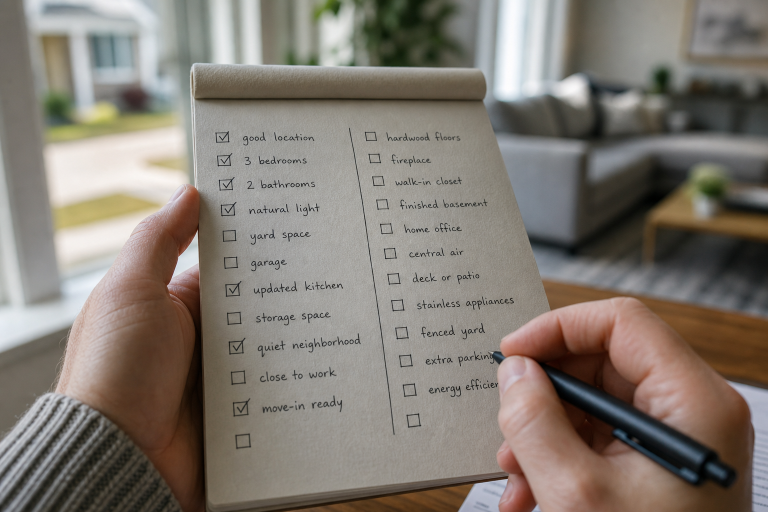
Create two short lists before touring homes. A must-have is a feature the household genuinely needs for the home to function. A nice-to-have would improve enjoyment, but is not essential. This distinction helps prevent an attractive finish or dramatic staging from outweighing practical limitations. A must-have is a feature the household genuinely needs for the home to function.
Examples of Must-Haves
- A workable number of bedrooms and bathrooms.
- A commute that fits the household’s schedule.
- Parking, garage space, or storage for vehicles and equipment.
- Accessibility features or a layout that can accommodate them.
- Space for remote work, childcare, hobbies, or frequent guests.
- Outdoor space that matches the household’s needs.
Examples of Nice-To-Haves
- Updated appliances, lighting, paint, or flooring.
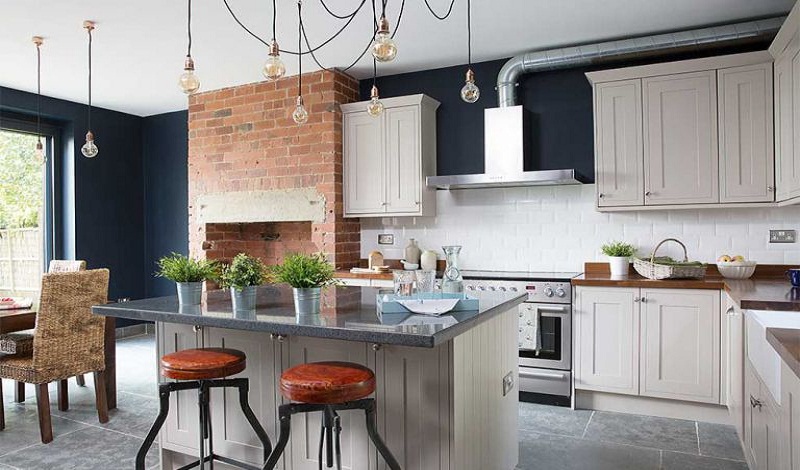
- A finished basement or oversized kitchen island.
- A deck, patio, pool, or landscaping already in place.
- Extra closets, a mudroom, or a dedicated pantry.
Paint, fixtures, and many finishes can be changed over time. A busy road, awkward bedroom placement, limited lot privacy, or a difficult daily drive is much harder to change.
Look at the Condition Before Cosmetic Appeal
A dated but well-maintained home can be a stronger purchase than a recently updated property with significant deferred maintenance. During a showing, ask for the age and service history of major components, including the roof, heating equipment, cooling equipment, water heater, electrical panel, windows, and plumbing. Pay close attention to signs of moisture, drainage issues, foundation movement, damaged finishes, or incomplete renovations. Ask whether substantial work was permitted when permits were required, and request available documentation for major improvements. A lower price does not automatically mean a lower total cost if several major repairs are likely within the next few years.
Use Square Footage and Comparable Sales Carefully
Price per square foot can be a useful starting point. Divide the purchase price by finished square footage, then compare the result with similar homes. However, the figure cannot fully capture layout, lot size, renovation quality, garage space, finished lower levels, privacy, or street location. Closed sales often provide more meaningful context than asking prices because they show completed transactions rather than seller expectations. When comparing properties, look for recent sales with similar locations, property types, ages, sizes, lots, and overall condition. It can also help to review reports on how asking prices, reductions, and completed sale prices can differ, so an initial list price is not treated as the final measure of value.
Compare the Location as Closely as the House
Wayland buyers should consider how each location supports ordinary life, not just weekend showings. Test the drive at a realistic time, check access to destinations used regularly, and return in the evening if possible. Notice road noise, nearby traffic, lighting, and the general feel of the route into and out of the neighborhood. Consider whether the property will still suit the household if work arrangements, school needs, vehicle needs, or family routines change. A farther-away home may have more space for the money, but the time spent driving and the cost of maintaining a longer daily routine should be part of the comparison.
Picture an Ordinary Week at Each Home
Instead of focusing only on the first few minutes of a tour, walk through a typical weekday. Where will groceries come in? Where will coats, shoes, sports gear, and recycling go? Is the kitchen practical for the way the household cooks? Is there enough storage, daylight, and separation between quiet spaces and active spaces? For example, a buyer may reasonably choose a smaller home with a useful layout, manageable repair needs, and a shorter commute over a larger home whose listing photos were more dramatic. Value is not simply about having more rooms. It is about whether the available space is useful every day.
Build a Simple Comparison Scorecard
Use a notes app or spreadsheet to rate each serious option from one to five, then add a few written observations behind every score. Limit the list to three or four serious contenders so details do not blur together.
- Total monthly cost: Include taxes, insurance, fees, and estimated utilities.
- Condition and repairs: Note immediate work and likely near-term replacements.
- Commute and location: Rate convenience, noise, access, and daily travel.
- Layout and daily use: Consider storage, room placement, light, and flow.
- Outdoor space and parking: Assess usability, maintenance, and privacy.
- Resale flexibility: Consider whether the home’s location and layout may appeal to future buyers.
- Overall fit: Record the trade-offs you would accept and those you would not.
Review Inspections, Disclosures, and Offer Terms
Hire an independent inspector and attend the inspection when practical. Review seller disclosures carefully, ask about prior water damage, insurance claims, pest treatment, and renovations, and consider specialized inspections for features such as septic systems, wells, chimneys, pools, or older structures when relevant. An inspection is not a promise that a home will never need repairs. It is a decision-making tool that helps buyers understand condition, risk, and repair priorities. When it is time to offer, compare more than price. Financing strength, down payment, inspection terms, appraisal protections, requested credits, contingencies, and closing timing can all affect how an offer is received. In markets where inventory and price reductions vary, signs of buyer negotiating power can help frame a conversation about terms without assuming every property will offer the same leverage.
Final Checklist Before Deciding
- Confirm the full monthly housing cost and available cash reserve.
- Revisit must-haves before weighing cosmetic features.
- Compare recent sales alongside similar active listings.
- Estimate near-term repairs and maintenance.
- Test the commute and visit the location at different times.
- Review inspection findings, disclosures, taxes, insurance, and fees.
- Consider how the home may work three to five years from now.
The best Wayland home is rarely just the flashiest or largest option. It is the property that makes sense financially, supports daily life, has understandable condition risks, and leaves room for the household’s plans.
Conclusion
Choosing between Wayland homes requires looking beyond price and presentation. By comparing total ownership costs, property condition, location, daily convenience, neighborhood characteristics, and long-term needs, buyers can better understand the true value of each option. A home that looks impressive online may still involve higher maintenance, taxes, or commuting costs, while a less flashy property may offer greater practicality and comfort. The right home is not necessarily the newest, largest, or most impressive, but the one that provides a comfortable lifestyle, manageable expenses, useful space, and lasting value. Taking time to review inspections, disclosures, comparable sales, and plans can help buyers make a more confident decision and avoid choosing a property based solely on its initial appeal.