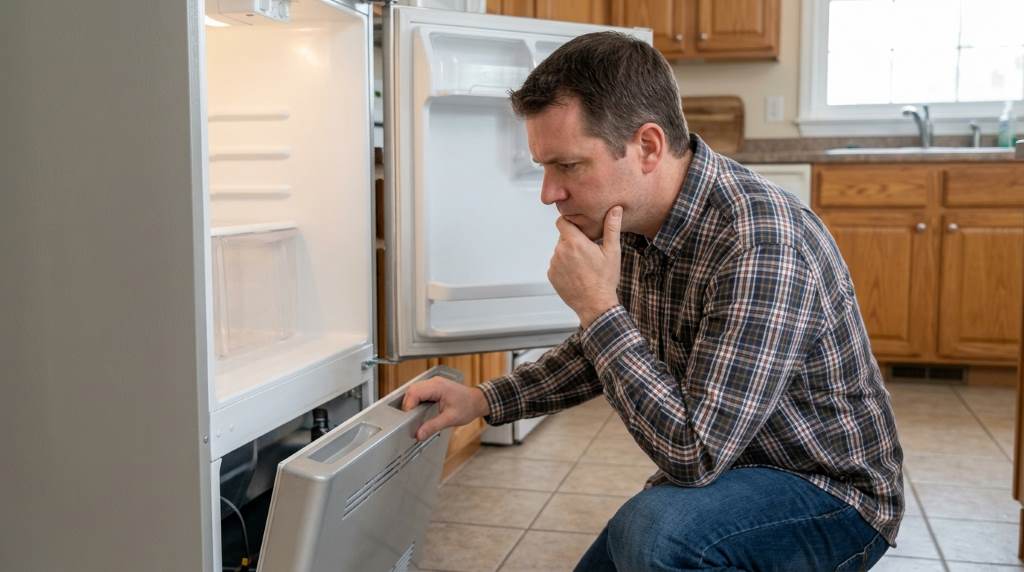
How Homeowners in Houston, TX Can Fix a Fridge That Shuts Off After a Few Seconds

A refrigerator that powers on and then suddenly shuts off can frustrate any homeowner. This issue often appears without warning and can put food safety at risk. According to the U.S. Department of Energy, refrigerators account for a significant portion of household electricity use, making reliable operation essential. In Houston, TX, where summer temperatures often exceed 90°F, a malfunctioning fridge can quickly become a serious problem. In some cases, a fridge compressor shuts off immediately, which points to a deeper electrical or mechanical issue that requires attention.
Fortunately, many refrigerator shutdown problems have identifiable causes. Homeowners can often perform several checks before calling a technician. Understanding the warning signs helps prevent unnecessary repairs and protects food from spoilage. This guide explains the most common causes and practical solutions for Houston residents. It also includes location-specific tips that account for the region’s heat and humidity.
Why a Refrigerator Shuts Off After a Few Seconds
When a refrigerator starts and then stops within seconds, the issue usually involves power delivery, cooling components, or compressor protection systems. Modern refrigerators include safety features that shut down certain functions when they detect abnormal conditions. As a result, the appliance may appear to cycle on briefly before stopping. Identifying the root cause requires a step-by-step approach.
Before troubleshooting, it helps to understand how refrigerators respond to interruptions. For example, frequent power cycling can affect performance and component lifespan. Homeowners can learn more about how long does turning off your fridge damage it and why repeated shutdowns should not be ignored. This knowledge provides useful context when diagnosing the problem. It also helps prevent accidental damage during troubleshooting.
Common Symptoms to Watch For
Several signs often accompany a refrigerator that shuts off quickly. These symptoms can narrow down the likely cause. Paying attention to these details saves time during diagnosis. It may also reduce repair costs.
- The interior light works, but cooling stops.
- The compressor clicks and shuts off.
- The fridge starts briefly, then becomes silent.
- The control panel flickers or resets.
- Cooling performance drops significantly.
Check the Power Supply First
Power-related issues remain one of the most overlooked causes of refrigerator shutdowns. Even if the appliance appears to receive electricity, voltage fluctuations can interrupt operation. Houston neighborhoods occasionally experience brief power disturbances during storms and periods of high energy demand. Therefore, checking the electrical supply should be the first step.
Inspect the wall outlet for signs of damage or overheating. Plug another appliance into the same outlet to verify consistent power. Additionally, examine the refrigerator’s power cord for cuts, burns, or loose connections. Replacing a damaged cord may solve the problem immediately.
Homeowners should also avoid using extension cords with refrigerators. These appliances require stable voltage and sufficient current. An undersized extension cord can create resistance and cause startup failures. Consequently, the compressor may shut down within seconds.
Inspect the Start Relay and Overload Protector
The start relay helps the compressor begin its cooling cycle. If this component fails, the compressor may attempt to start and then shut off almost immediately. A faulty relay often produces a clicking sound. This symptom appears frequently in aging refrigerators.
Remove the relay from the compressor and inspect it carefully. If it rattles when shaken, internal damage may exist. Furthermore, visible burn marks indicate overheating. Replacing the relay is generally inexpensive and often restores normal operation.
The overload protector works alongside the relay. Its purpose is to protect the compressor from excessive heat or electrical stress. However, a defective overload protector may interrupt power unnecessarily. Testing both components together provides the most accurate diagnosis.
Examine the Compressor Condition
The compressor serves as the heart of the refrigeration system. When it struggles to start or maintain operation, the refrigerator may shut down repeatedly. Compressor issues range from minor electrical faults to complete mechanical failure. Early diagnosis can prevent larger expenses.
Understanding appliance systems can benefit the entire household. Some families even use educational resources such as lesson plans on home appliances to explain how refrigerators and other machines function. Learning the basics makes troubleshooting easier and more effective. It also encourages better appliance maintenance habits.
Listen carefully for unusual sounds from the compressor area. Loud buzzing, clicking, or repeated startup attempts often indicate trouble. Moreover, excessive heat around the compressor housing suggests internal stress. A compressor that becomes extremely hot within minutes may require professional evaluation.
Look for Dirty Condenser Coils
Houston’s humid environment can accelerate dust accumulation on refrigerator condenser coils. When these coils become dirty, heat cannot dissipate efficiently. As a result, the compressor works harder and may trigger protective shutdowns. Regular cleaning helps prevent this issue.
Locate the coils behind or beneath the refrigerator. Use a vacuum brush or coil-cleaning tool to remove debris. Additionally, clean surrounding areas to improve airflow. Better ventilation reduces operating stress and supports efficient cooling.
Many homeowners overlook this simple maintenance task. Yet dirty coils can increase energy consumption and shorten component lifespan. Keeping them clean often improves performance immediately. It also helps prevent future shutdowns.
Evaluate the Temperature Control Thermostat
The thermostat regulates cooling cycles based on internal temperature. If it malfunctions, it may send incorrect signals to the compressor. Consequently, the refrigerator may shut off unexpectedly. This issue becomes more common as appliances age.
Turn the temperature dial and listen for a clicking response. A lack of response may indicate a defective thermostat. Furthermore, inconsistent cooling patterns often accompany thermostat failures. Replacing the component usually restores proper cycling behavior.
Digital refrigerators may use electronic control boards instead of traditional thermostats. In those cases, error codes can provide valuable clues. Reviewing the owner’s manual helps identify specific diagnostic indicators. Accurate information reduces guesswork during repairs.
Check the Control Board for Faults
Modern refrigerators rely on electronic control boards to coordinate cooling operations. A damaged board can interrupt communication between components. Therefore, the appliance may start briefly and then shut down. Electrical surges frequently contribute to this problem.
Inspect the control board for burnt areas, swollen capacitors, or visible corrosion. Houston’s humidity can sometimes accelerate moisture-related damage in older appliances. Additionally, insect intrusion occasionally affects exposed circuitry. Even minor board damage can cause intermittent shutdowns.
Replacing a control board requires careful handling and proper part matching. Homeowners with limited electrical experience should consider professional assistance. Incorrect installation may create additional problems. Safety should remain the top priority.
The Hidden Impact of Houston’s Heat and Humidity
One factor rarely discussed in refrigerator troubleshooting involves the combined effect of heat and humidity on appliance performance. Houston’s climate creates conditions that force refrigerators to work harder throughout much of the year. Consequently, components experience more wear than they might in cooler regions. This environmental stress can contribute to repeated shutdowns.
High humidity increases moisture buildup around seals, coils, and electronic components. At the same time, elevated temperatures require longer compressor run times. Together, these factors can expose weaknesses in aging parts. Homeowners often notice problems during the hottest months.
To reduce climate-related strain, maintain adequate clearance around the refrigerator. Ensure proper airflow near walls and cabinets. Also, inspect door gaskets regularly for leaks. Small improvements can significantly reduce operational stress.
When to Call a Professional Technician
Some refrigerator issues exceed the scope of basic troubleshooting. Electrical testing, refrigerant diagnostics, and compressor replacement require specialized tools. Attempting these repairs without training can create safety risks. Professional service often saves time and prevents costly mistakes.
Contact a qualified technician if you notice any of the following:
- The compressor becomes extremely hot.
- Circuit breakers trip repeatedly.
- The refrigerator fails to cool entirely.
- Electrical burning smells appear.
- Control board damage is visible.
A professional can perform advanced diagnostics and confirm the exact cause. Moreover, certified technicians can safely handle refrigerant systems. Accurate repairs improve reliability and extend appliance life. Investing in expert service often proves worthwhile.
Preventive Maintenance Tips for Houston Homeowners
Preventive maintenance reduces the likelihood of unexpected refrigerator shutdowns. Small routine tasks often prevent larger repairs. Consistent care also improves energy efficiency. Therefore, homeowners should adopt a regular maintenance schedule.
- Clean condenser coils every six months.
- Inspect door seals for wear and leaks.
- Keep ventilation spaces clear.
- Use surge protection when appropriate.
- Monitor unusual sounds and temperature changes.
Regular inspections help identify developing problems before they become serious. Additionally, maintenance costs far less than major repairs. Houston homeowners who stay proactive often enjoy longer appliance lifespan. Consistency delivers the best results.
Conclusion
A refrigerator that shuts off after a few seconds can result from power issues, faulty relays, compressor problems, dirty coils, thermostat failures, or control board defects. Houston’s heat and humidity can further increase stress on refrigerator components. Taking a systematic approach helps homeowners identify the cause quickly and avoid unnecessary expenses. For additional efficiency guidance, review these tips to reduce your electricity bill while maintaining refrigerator performance. If troubleshooting does not resolve the issue, contact a qualified appliance technician and address the problem before food spoilage or component damage worsens.
FAQs
Why does my refrigerator click and shut off immediately?
A faulty start relay or overload protector commonly causes this symptom.
Can Houston heat affect refrigerator performance?
Yes, high temperatures force the compressor to work harder and increase wear.
How often should I clean refrigerator condenser coils?
Most homeowners should clean them every six months.
Is a bad thermostat capable of shutting off a fridge?
Yes, a malfunctioning thermostat can interrupt normal cooling cycles.
Should I repair or replace a faulty compressor?
The decision depends on the refrigerator’s age, repair cost, and overall condition.