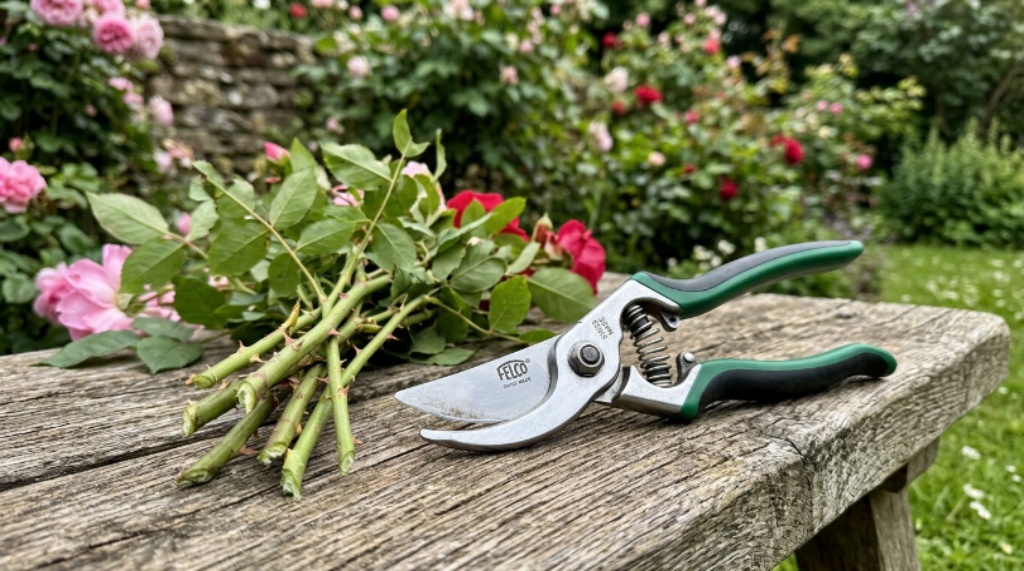

A good pair of pruning shears is one of the most used tools in any garden. You reach for them almost every time you step outside. They trim roses, shape hedges, cut back overgrown stems, and keep your plants healthy season after season. However, not all pruning shears are built to last.
Many gardeners have experienced the frustration of buying a pair that looks great in the shop but falls apart within a year. The spring snaps, the blade dulls beyond recovery, or rust creeps in after a single wet season. Replacing tools repeatedly costs money and wastes time.
The solution is knowing what to look for before you buy. This article walks you through every key factor that separates pruning shears that last a decade from those that barely survive a season.
Understanding Why Pruning Shears Wear Out So Quickly
Before choosing the right pair, it helps to understand why cheap shears fail. Most premature wear comes down to three things: poor blade material, weak construction at the pivot point, and handles that are not designed for repeated use.
Blades made from low-grade steel lose their edge quickly. Once dull, they crush stems instead of cutting cleanly. This damages plants and forces you to apply more pressure with every cut, which accelerates wear on every other part of the tool.
The pivot point is where the two blades meet and rotate. On poor-quality shears, this joint loosens over time. A loose pivot causes blades to misalign, which leads to ragged cuts and uneven pressure on the spring. Additionally, handles made from brittle plastic crack under the stress of heavy use, especially in cold weather.
Understanding these failure points tells you exactly what to look for when you shop.
Choosing the Right Blade Material
The blade is the heart of any pruning shear. It determines how cleanly the tool cuts, how long it holds its edge, and how well it resists environmental damage.
High-Carbon Steel Versus Stainless Steel
High-carbon steel is the traditional choice for premium cutting tools. It is exceptionally hard, holds a sharp edge for a long time, and can be resharpened repeatedly. However, it requires maintenance. Without regular oiling and drying, high-carbon steel can develop surface rust.
Stainless steel is more resistant to corrosion and requires less maintenance. It does not hold an edge quite as long as high-carbon steel, but for most home gardeners, the difference is minimal. Many modern shears use a high-carbon stainless blend that combines the hardness of carbon steel with the rust resistance of stainless. This is often the best option for gardeners who want performance without high maintenance demands.
Why Rust Resistance Matters More Than You Think
Garden tools live in a harsh environment. They come into contact with wet soil, plant sap, morning dew, and occasional rain. Without proper rust resistance, the blade degrades from the inside out. Small rust spots weaken the metal, make the blade harder to clean, and eventually compromise the cutting edge entirely.
Rust resistant shears are not just easier to maintain. They stay sharper for longer because the blade surface remains smooth and consistent. Over the lifespan of a tool, this translates directly into better cuts and less effort on every single use.
What Makes a Pivot Point Durable
The pivot point is one of the most overlooked components when buying pruning shears. Yet it is one of the most important.
A quality pivot uses a solid bolt rather than a riveted or pressed connection. Bolt-type pivots allow you to tighten the joint as it loosens over time with a simple screwdriver or spanner. This means you can keep your shears performing like new for years without replacing them.
Look for shears that explicitly mention an adjustable pivot or a bolt-and-nut connection. Steer clear of any model where the pivot is hidden inside the handle or clearly formed from a single pressed piece of metal. These cannot be adjusted and will deteriorate without remedy.
Additionally, some premium models use a sap groove along the blade. This channel runs parallel to the cutting edge and reduces the friction and sticking that comes from cutting resinous stems. It also keeps the pivot area cleaner, which reduces wear at the joint over time.
Handles That Protect Your Hands and Last Through Years of Use
A cutting blade that lasts is only half the equation. The handles determine how comfortable and sustainable your pruning sessions are, particularly during long work days in the garden.
Material Options for Handles
Aluminium handles are lightweight, strong, and resistant to cracking. They do not warp in moisture or become brittle in cold temperatures the way plastic does. Many professional-grade shears use aluminium for this reason.
Fibreglass-reinforced handles offer similar benefits with added shock absorption. They feel slightly warmer in the hand during cool weather and tend to grip better when wet.
Some shears use a combination of materials, with a strong structural core wrapped in a soft rubber or thermoplastic grip. This approach balances durability with comfort and is a good sign of thoughtful design.
The Case for Ergonomic Garden Tools
Handle shape matters just as much as material. Shears designed without regard for the human hand cause fatigue, discomfort, and in repeated use, repetitive strain injuries. Ergonomic garden tools address this directly.
Look for handles that are contoured to fit the natural curve of your palm. The grip should allow your fingers to wrap comfortably without squeezing at an awkward angle. Rotating handles are available on some models and allow the lower handle to turn slightly as the blade closes, which reduces the torque on your wrist with every cut.
Spring mechanisms also play a role in ergonomics. A well-tuned return spring opens the blade automatically after each cut, so your hand does not have to work to reopen the shears continuously. This small feature reduces hand fatigue significantly over the course of a long gardening session.
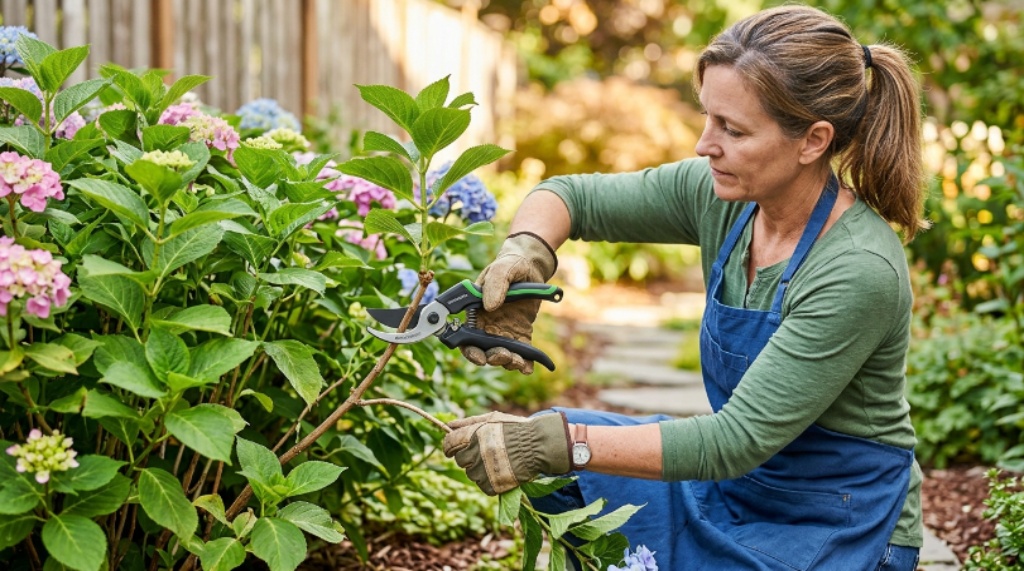
Bypass Versus Anvil: Choosing the Right Cutting Mechanism
Pruning shears come in two main types: bypass and anvil. Understanding the difference helps you choose the right tool for your specific tasks.
Bypass shears work like scissors. Two blades pass each other to make the cut. This action is clean and precise, making bypass shears ideal for live stems, green growth, and delicate plants where a clean cut matters for plant health. They are the most versatile type and suit most general pruning tasks.
Anvil shears work differently. A single blade closes down onto a flat plate. This mechanism generates more cutting power and is better suited to dry, dead, or woody stems. However, the cut is not as clean, and anvil shears can crush softer green growth if misused.
For most gardeners, a quality pair of bypass shears covers the majority of tasks. Therefore, if you are buying just one pair, bypass is usually the right choice.
Maintenance Features That Extend Tool Life
Even the best pruning shears need some maintenance to last. However, certain design features make that maintenance easier and more effective.
Replaceable Parts
Look for shears with replaceable blades, springs, and pivot hardware. A tool designed for part replacement is a tool designed to last. Being able to swap a worn spring or a chipped blade without buying an entirely new pair is both economical and environmentally sensible.
Many reputable brands sell spare parts online. Before purchasing a new pair, check whether the manufacturer supports replacement components. If they do, that is a strong signal of long-term quality commitment.
Cleaning and Sharpening Access
Shears that can be fully disassembled are much easier to clean and sharpen. Sap, soil, and moisture accumulate in the joint and along the blade over time. If you cannot take the tool apart, that buildup becomes permanent and accelerates corrosion and wear.
A shear that opens fully for cleaning, drying, and sharpening will outlast one that cannot by several years. This simple design choice is one of the most reliable indicators of a tool built for longevity.
What to Look for When Reading Product Descriptions
Shopping online or in a catalogue means relying on written descriptions rather than handling the tool yourself. Knowing which details matter helps you filter good options from poor ones quickly.
Look for specific mentions of blade material, such as high-carbon stainless steel or hardened steel. Vague terms like “premium metal” or “quality alloy” are not meaningful on their own. Additionally, check for information about the pivot type, handle material, and whether replacement parts are available.
Customer reviews are invaluable for assessing real-world durability. Look for reviews that mention long-term use of one year or more. Pay attention to comments about blade retention, pivot tightness, and how the tool feels after extended use. Be cautious of products with dozens of five-star reviews but very few detailed written responses.
Conclusion
Long-lasting pruning shears are not hard to find once you know what to look for. Start with the blade. Choose high-carbon stainless steel for a combination of edge retention and rust resistance. Check the pivot and prioritise models with an adjustable bolt connection. Assess the handles for material strength and ergonomic design, and consider the benefits of ergonomic garden tools if you spend long hours in the garden.
Decide between bypass and anvil based on the plants you work with most. Look for rust resistant shears with replaceable parts and the ability to disassemble for cleaning. Read product descriptions carefully and lean on detailed long-term reviews to validate your choice.
A well-chosen pair of pruning shears, properly maintained, can serve you faithfully for ten years or more. That kind of value starts with one careful decision at the point of purchase.
Frequently Asked Questions
How often should I sharpen my pruning shears?
Sharpen them at the start of each growing season and again mid-season if you use them frequently. A sharp blade makes cleaner cuts, reduces effort, and causes less damage to your plants. You can sharpen most blades with a small whetstone or a dedicated sharpening tool.
What is the best way to prevent rust on pruning shears?
Clean and dry the blades thoroughly after every use. Apply a thin layer of camellia oil or general-purpose tool oil to the blade and pivot point. Store shears in a dry location, never in a damp shed or left outdoors. A light oil coat before winter storage provides excellent long-term protection.
Can I use the same pruning shears for all plant types?
Bypass shears handle most tasks including flowers, shrubs, and small branches. However, for branches thicker than about 2.5 centimetres, you should use loppers or a pruning saw. Using shears on stems too thick for them strains the pivot, dulls the blade, and shortens the life of the tool significantly.
How do I know if the pivot bolt needs tightening?
Open and close the shears several times. If the blades feel loose, wobble against each other, or fail to align cleanly, the pivot needs tightening. Use the correct size screwdriver or spanner and turn gradually until the tool opens and closes smoothly without play in the joint.
Are expensive pruning shears always better than budget ones?
Not always. Price is a rough guide, but not a guarantee. Some mid-range shears from reputable brands outperform expensive options from lesser-known manufacturers. Focus on specific features such as blade material, pivot design, and parts availability rather than price alone when making your decision.