
Gardening continues to grow in popularity across Ohio, and many homeowners in Columbus now maintain vegetable beds, flower gardens, and small backyard landscapes. According to the National Gardening Association, more than 35% of American households actively garden each year. Sharp garden tools help gardeners work faster, reduce plant damage, and improve safety during outdoor tasks. Many beginners also search for simple ways to maintain tools without expensive equipment. Learning proper hand file sharpening for garden hoe projects can make garden care easier and more affordable. In Columbus, changing seasons and clay-heavy soil make regular sharpening especially important for tool performance.
Why Sharp Garden Tools Matter
Sharp tools cut cleanly through stems, weeds, and soil without damaging plants. Dull blades often tear roots and create stress on healthy vegetation. Furthermore, sharp edges reduce the amount of physical force needed during gardening tasks. This makes gardening more comfortable for beginners and older homeowners.
Columbus gardeners often deal with compacted soil after rainy spring weather. Because of this, dull hoes and shovels struggle to move smoothly through garden beds. Sharp tools also improve digging accuracy around delicate roots and flowers. As a result, gardeners spend less time fixing accidental plant damage.
Well-maintained tools can also last for many years with minimal repairs. Rust and blade damage become less severe when sharpening happens regularly. In addition, clean cuts lower the risk of spreading plant diseases between garden areas. Proper maintenance therefore protects both tools and plants.
Common Garden Tools That Need Sharpening
Many beginners only sharpen pruning shears and ignore other essential tools. However, several common gardening tools benefit from regular edge maintenance. Each tool requires slightly different sharpening methods depending on its shape and use. Understanding these differences helps prevent accidental damage.
Essential Tools to Sharpen
- Garden hoes
- Pruning shears
- Shovels
- Lawn edgers
- Hand trowels
- Axes and hatchets
- Loppers
Garden hoes often become dull quickly in Columbus due to rocky soil conditions. Likewise, shovels lose effectiveness after repeated contact with roots and compact dirt. Pruning tools also dull faster during peak summer trimming season. Therefore, inspecting tools every few weeks helps maintain strong performance.
Best Time to Sharpen Garden Tools in Columbus
Timing matters when maintaining garden equipment in Ohio’s seasonal climate. Spring preparation remains the most popular time for sharpening tools. Many gardeners clean and sharpen equipment before planting vegetables and flowers. This ensures every tool performs efficiently during the busy growing season.
Fall also provides an excellent opportunity for tool maintenance. After summer gardening ends, blades often show signs of wear and rust. Sharpening before winter storage protects edges from corrosion and moisture exposure. Consequently, tools stay ready for the following spring.
Rainy weather in Columbus can accelerate rust formation on steel surfaces. Because of this, gardeners should dry tools immediately after use. Regular inspections during humid months also prevent serious blade deterioration. Small maintenance efforts often save money on future replacements.
Beginner-Friendly Sharpening Tools
Many people believe sharpening requires expensive machinery or professional workshops. Fortunately, beginners can maintain most garden tools using affordable hand tools. Simple sharpening supplies work well for common household gardening equipment. They also provide better control for inexperienced users.
Helpful Sharpening Supplies
- Mill bastard file
- Diamond sharpening stone
- Wire brush
- Steel wool
- Safety gloves
- Protective eyewear
- Lubricating oil
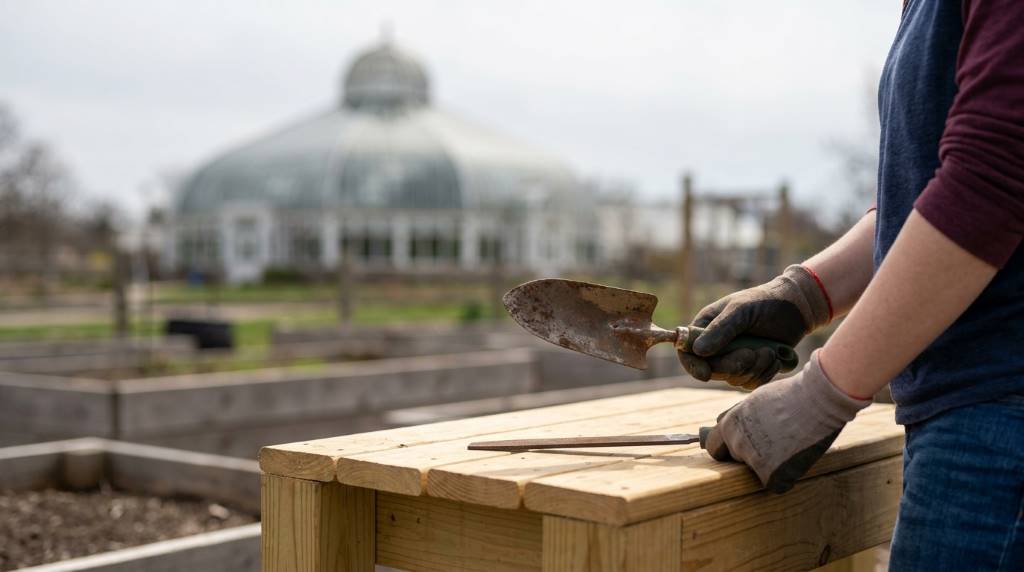
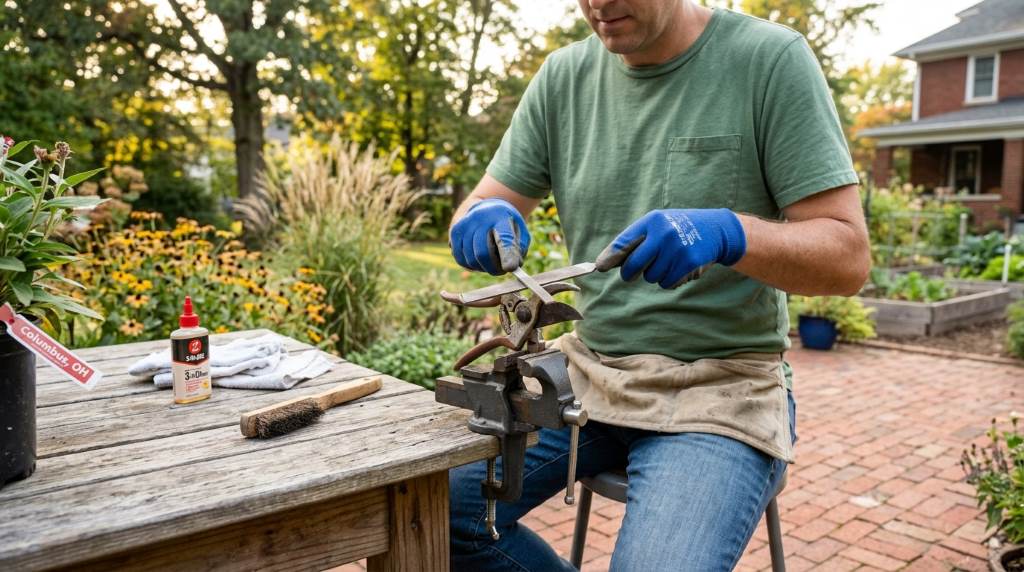
Hand files remain one of the easiest sharpening tools for beginners. They work especially well for hoes, shovels, and lawn edgers. Meanwhile, sharpening stones provide smooth finishing for pruning tools and smaller blades. Keeping supplies clean also improves sharpening accuracy.
Many local hardware stores in Columbus carry affordable sharpening kits year-round. Stores often stock seasonal gardening tools during spring and summer months. Therefore, beginners can easily find basic equipment without visiting specialty shops. Starting with simple supplies reduces confusion and learning stress.
How to Sharpen a Garden Hoe
Garden hoes require regular maintenance because they constantly contact dirt and rocks. A dull hoe forces gardeners to work harder when removing weeds or breaking soil. Fortunately, sharpening a hoe remains one of the easiest beginner maintenance tasks. A simple hand file usually provides excellent results.
First, clean the blade thoroughly using a wire brush and warm water. Remove any dried mud, rust, or plant residue before sharpening begins. Next, secure the hoe firmly against a workbench or stable surface. Stability improves safety and sharpening precision.
Hold the file at the same angle as the existing blade edge. Then, push the file forward in smooth, even strokes across the metal. Avoid moving the file back and forth aggressively because this damages the edge. Continue until the blade feels smooth and moderately sharp.
After sharpening, wipe the blade clean and apply light oil to prevent rust. Store the hoe in a dry location away from rain or humidity. Columbus gardeners often benefit from garage storage with low moisture levels. Proper storage greatly extends blade life between sharpening sessions.
Sharpening Pruning Shears Safely
Pruning shears require extra attention because of their smaller moving parts. Sharp shears create cleaner cuts that help plants heal faster after trimming. Dull blades can crush stems instead of slicing through them properly. Therefore, regular maintenance improves plant health and appearance.
Begin by opening the shears fully and cleaning both blades carefully. Remove sticky sap using rubbing alcohol or soapy water. Next, inspect the blades for chips or severe damage before sharpening. Serious damage may require professional repair instead of home sharpening.
Use a sharpening stone or small file on the beveled cutting edge only. Follow the original blade angle while making slow, controlled strokes. Avoid sharpening the flat side because this can weaken cutting performance. Afterward, tighten loose screws and oil moving joints lightly.
Many Columbus gardeners prune shrubs heavily during spring and early summer. Consequently, shears often dull faster during these active months. Frequent touch-up sharpening prevents major blade wear over time. Small maintenance sessions usually take less than ten minutes.
Proper Sharpening Angles for Beginners
Sharpening angles often confuse first-time gardeners. However, most garden tools only need moderate edge sharpness instead of razor-like blades. Maintaining the original factory angle usually works best for beginners. This prevents accidental over-sharpening or edge weakening.
Common Sharpening Angles
| Tool | Suggested Angle |
|---|---|
| Hoe | 30–45 degrees |
| Shovel | 45 degrees |
| Pruning shears | 10–20 degrees |
| Axe | 20–30 degrees |
A wider angle creates stronger edges for heavy digging tools. Meanwhile, thinner angles improve slicing performance for cutting tools. Beginners should focus more on consistency than perfect measurements. Steady strokes usually produce better results than excessive force.
Preventing Rust in Ohio’s Climate
Ohio weather creates several challenges for metal garden equipment. Spring rain, summer humidity, and winter moisture all contribute to rust formation. Rust weakens tool edges and makes sharpening more difficult over time. Therefore, prevention remains an important part of tool care.
Always dry tools completely after gardening sessions in wet soil. Moisture trapped on blades often causes rust spots within days. Additionally, applying a thin oil coating protects steel from humidity exposure. Linseed oil and mineral oil both work well for garden tools.
Storage location also affects tool lifespan significantly. Damp basements and outdoor sheds often accelerate corrosion problems. Instead, keep tools in dry garages or covered storage areas whenever possible. Hanging tools on wall hooks also improves airflow around metal surfaces.
Some Columbus gardeners place silica moisture absorbers inside storage cabinets. This simple method helps control humidity during rainy months. Regular cleaning and drying routines further reduce long-term maintenance issues. Consistent habits protect sharpening work and extend tool usability.
Common Sharpening Mistakes Beginners Should Avoid
Many beginners damage tools accidentally while trying to sharpen them quickly. Fortunately, most mistakes remain easy to avoid with proper technique and patience. Understanding common problems helps new gardeners build confidence safely. Small adjustments often improve sharpening results immediately.
Frequent Beginner Mistakes
- Using excessive sharpening pressure
- Filing back and forth aggressively
- Ignoring rust before sharpening
- Sharpening at inconsistent angles
- Forgetting protective gloves
- Over-sharpening soft metal tools
Applying too much pressure can remove excess metal unnecessarily. Instead, smooth controlled strokes create stronger and cleaner edges. Likewise, inconsistent sharpening angles often produce uneven cutting performance. Practicing slowly helps beginners develop better control over time.
Skipping cleaning steps also reduces sharpening effectiveness significantly. Dirt and rust interfere with smooth filing movement across blade surfaces. Therefore, preparation remains just as important as sharpening itself. Clean tools respond much better to maintenance work.
When to Replace Instead of Sharpen
Not every garden tool can be saved through sharpening alone. Severe cracks, deep rust, and broken handles may create safety hazards during use. In these situations, replacement often makes more sense than repair attempts. Safety should always remain the top priority.
Large chips in blades can weaken metal structure permanently. Similarly, heavily rusted tools may continue deteriorating even after cleaning. Loose tool heads also create dangerous working conditions during digging tasks. Beginners should inspect equipment carefully before each sharpening session.
Many local Columbus hardware stores offer affordable replacement options for damaged tools. Investing in quality equipment often reduces future maintenance problems as well. Durable steel tools usually sharpen more effectively and last longer overall. Spending slightly more upfront can save money later.
Local Gardening Conditions in Columbus, OH
Columbus gardeners face unique environmental conditions throughout the year. Clay-heavy soil creates extra wear on hoes, shovels, and edging tools. In addition, seasonal freeze-thaw cycles can compact garden beds significantly. Sharp equipment therefore becomes essential for efficient soil preparation.
Spring rains often delay gardening work and increase mud buildup on tools. Consequently, cleaning routines become especially important during wet months. Summer heat and humidity can also accelerate metal corrosion if tools remain outdoors. Quick maintenance habits help prevent seasonal damage.
Many local gardeners grow tomatoes, peppers, herbs, and flowering perennials successfully. These plants often require regular pruning and soil cultivation throughout the season. Sharp shears and hoes therefore support healthier plant growth and easier maintenance. Proper tool care directly improves gardening productivity.
Easy Tool Maintenance Habits for Beginners
Consistent maintenance prevents major sharpening problems later. Small habits performed after each gardening session protect blades effectively. Fortunately, most maintenance routines require only a few minutes to complete. Beginners can easily build these habits into regular gardening schedules.
Simple Maintenance Checklist
- Brush dirt off tools after use
- Dry metal surfaces completely
- Apply light oil monthly
- Store tools indoors
- Inspect edges regularly
- Tighten loose screws and bolts
Routine inspections help identify small issues before they worsen. Additionally, regular cleaning reduces rust formation and sharpening frequency. Organized storage also prevents accidental blade damage from tool collisions. Simple routines greatly extend tool lifespan over time.
Many experienced gardeners keep cleaning cloths near storage areas for convenience. This encourages immediate maintenance after outdoor work finishes. Creating easy systems often improves consistency for beginners. Good habits eventually become automatic parts of gardening routines.
Conclusion
Learning beginner-friendly garden tool sharpening techniques can greatly improve gardening success in Columbus, OH. Sharp tools reduce physical strain, protect plants, and make outdoor work more enjoyable throughout every season. Fortunately, most sharpening tasks require only simple hand tools and basic practice. Regular cleaning, proper storage, and routine inspections also help prevent expensive replacements later.
If you want healthier plants and smoother gardening projects, start sharpening your tools regularly this season. Even small maintenance efforts can make a noticeable difference in your garden’s appearance and productivity.
FAQs
How often should I sharpen garden tools?
Most garden tools should be sharpened every few months during active gardening seasons.
Can beginners sharpen tools safely at home?
Yes, beginners can safely sharpen tools using hand files, gloves, and proper techniques.
What is the easiest tool for beginners to sharpen?
Garden hoes and shovels are usually the easiest tools for first-time sharpening practice.
Does Columbus weather affect garden tool maintenance?
Yes, humidity and rain in Columbus can increase rust and blade wear significantly.
Should garden tools be razor sharp?
No, most gardening tools only need a moderately sharp edge for effective performance.
Related Reads
Discover: How to Fix Matted Grass After Winter
Discover: Modern vs. Traditional Landscaping: Which Style Suits Your Home?
Check: Artificial Grass: The Allergy Sufferer’s Secret Weapon