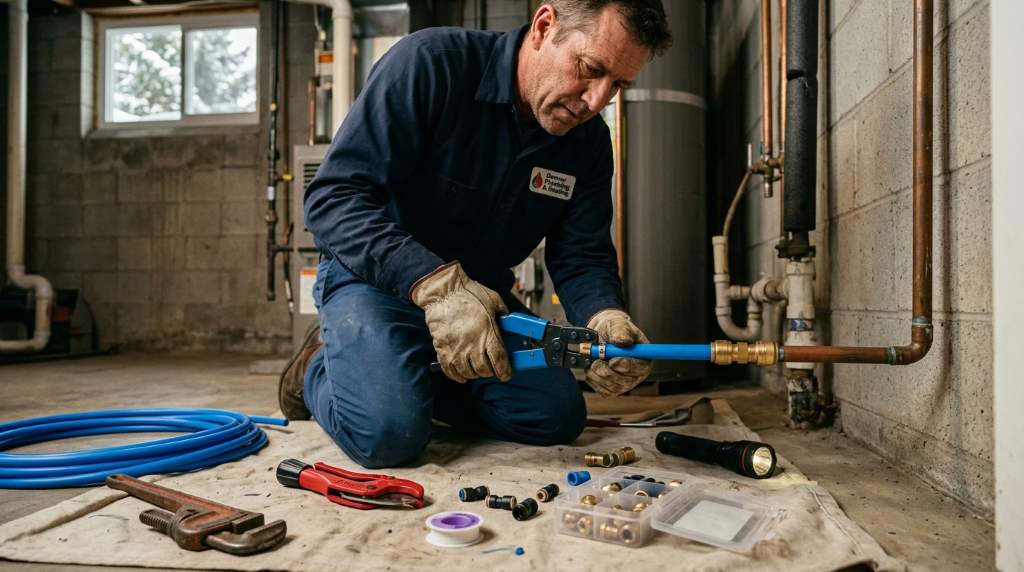

If you own an older home in Denver, chances are your plumbing system is overdue for an upgrade. According to the American Society of Civil Engineers, nearly 30% of U.S. water infrastructure is aging and in need of replacement. Denver’s cold winters and hard water conditions make outdated pipes even more vulnerable to leaks and corrosion. Many local plumbers recommend starting with a transition from galvanized pipe to pvc as a cost-effective first step. Understanding the right conversion tips can save you thousands in emergency repairs down the road.
Why Denver Homes Need Water Line Conversions
Denver’s climate puts a serious strain on older plumbing systems. Temperatures regularly drop below freezing in winter, causing pipes to expand and contract repeatedly. Over time, this thermal stress weakens pipe walls and leads to cracks or pinhole leaks. Homes built before the 1980s are especially at risk because they often still have galvanized steel or polybutylene pipes that were never designed to last this long.
Hard water is another major factor unique to the Denver area. The mineral-heavy water supply leaves calcium and magnesium deposits inside older pipes, slowly reducing water pressure and flow. Eventually, those buildups become so severe that the pipe basically chokes itself from the inside. Converting to modern materials eliminates this problem and improves your water quality at the same time. Denver plumbers deal with this issue constantly, so they’ve developed smart, efficient ways to handle these conversions without tearing apart your entire home.
Choosing the Right Pipe Material for Your Conversion
PVC vs. CPVC vs. PEX
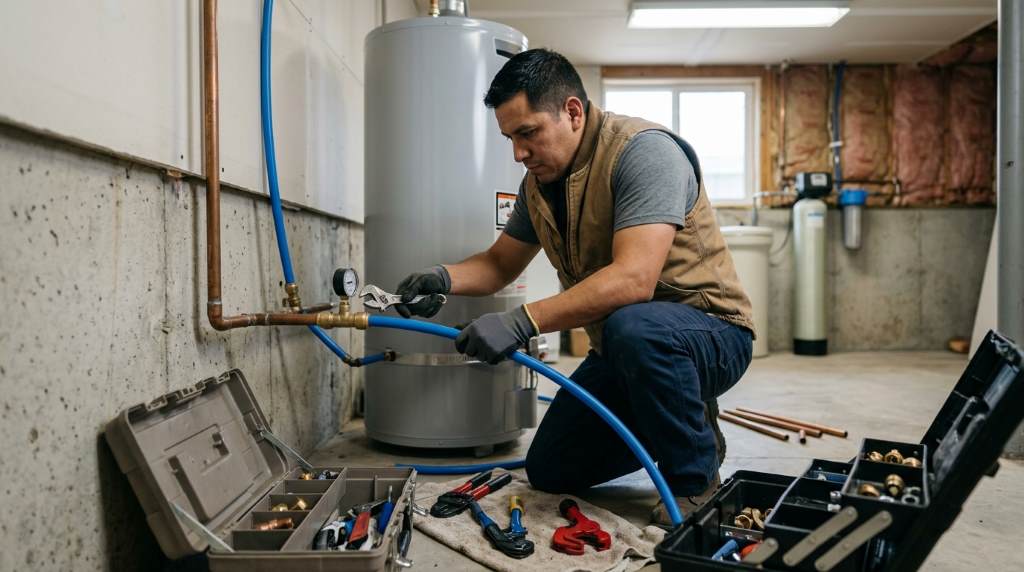
Not all pipe materials work equally well in every situation, and Denver plumbers know this better than anyone. PVC is affordable and easy to work with, making it a popular choice for cold water supply lines. CPVC handles higher temperatures, so it works better for hot water lines throughout the house. PEX has become the go-to option in recent years because it’s flexible, freeze-resistant, and fast to install in tight spaces.
Here’s a quick comparison to help you decide:
- PVC – Best for cold water, drainage, and underground lines
- CPVC – Suitable for both hot and cold water inside the home
- PEX – Ideal for retrofits, tight spaces, and freeze-prone areas
- Copper – Long-lasting and reliable but more expensive to install
Denver plumbers tend to favor PEX for most residential conversions because it handles temperature swings well. It bends around obstacles without needing as many fittings, which reduces the number of potential leak points. For any lines running near exterior walls or in uninsulated crawl spaces, PEX is almost always the smarter pick.
Understanding Pipe Sizing Before You Start
Getting the pipe size right is something many homeowners overlook entirely. Using the wrong diameter affects your water pressure and can even void your building permit in Denver. Most residential supply lines run on either ½-inch or ¾-inch diameter pipes depending on the fixture load. A licensed plumber will always calculate the flow demand before recommending a size.
Main supply lines coming into the house are typically ¾-inch or 1-inch. Branch lines that feed individual fixtures like sinks or toilets usually drop down to ½-inch. Mixing sizes incorrectly creates pressure imbalances that lead to inconsistent water flow. Always confirm sizing with a professional before purchasing materials, especially if you’re doing a partial conversion.
Step-by-Step Conversion Tips Plumbers Actually Use
Shutting Off and Draining the System Properly
Every successful water line conversion starts with a complete system shutdown. Denver plumbers always locate the main shutoff valve first and make sure it fully closes before cutting any pipes. After shutting off the supply, they open the lowest faucet in the home to drain residual water from the lines. Skipping this step creates a mess and can damage your flooring or subfloor.
Once the lines are drained, they use a pipe cutter rather than a hacksaw for clean, square cuts. A ragged cut makes it nearly impossible to get a watertight connection later on. They also mark all existing pipe locations before removing anything so the new layout stays organized. Taking photos of the original setup is a trick many experienced plumbers swear by.
Making Clean and Secure Connections
Connecting new pipe to old existing lines requires the right adapter fittings for each material combination. Transition fittings are specifically designed to bridge the gap between different pipe types without causing leaks. For threaded connections, plumbers always wrap the threads with Teflon tape before tightening to create a proper seal. They typically apply two to three wraps in the direction of the threads for maximum effectiveness.
Solvent cement joints on PVC need to be assembled quickly because the cement sets fast. The plumber primes the pipe end first, applies cement to both surfaces, and pushes the pieces together with a quarter turn to distribute the adhesive evenly. Holding the joint steady for at least 30 seconds prevents it from backing out before it cures. Rushing this step is one of the most common causes of failed joints in DIY projects.
Pressure Testing Before Closing Walls
Testing the system before patching drywall or sealing crawl spaces is something every experienced Denver plumber does without exception. They pressurize the new lines and let them sit for at least 15 to 30 minutes while checking every connection point for moisture. Even a tiny drip can cause serious mold or structural damage once the walls are sealed back up. This step is also required by Denver’s building inspection process for permitted plumbing work.
Using a digital pressure gauge gives more accurate readings than analog versions. Plumbers look for any pressure drop over the testing period, which signals a slow leak somewhere in the system. They also check around fittings by hand and sometimes use a dry paper towel to detect moisture that isn’t yet visible. Only after a clean test do they move forward with covering the work.
Common Mistakes to Avoid During Water Line Conversions
Even experienced homeowners make avoidable errors when taking on conversion projects. Knowing what not to do is just as valuable as knowing the right steps.
- Mixing incompatible materials without transition fittings causes corrosion and leaks over time
- Skipping permits in Denver can result in fines and problems when you sell your home
- Using the wrong solvent cement for the pipe type leads to joint failure
- Not supporting long pipe runs properly causes sagging and stress on fittings
- Ignoring local code requirements for pipe depth, materials, and testing procedures
Denver has specific building codes that apply to plumbing work, and they’re stricter than in some other cities due to the freeze-thaw cycle. Always pull a permit for major water line work and schedule the required inspection. A licensed plumber already knows these codes by heart, which is one of the biggest advantages of hiring locally.
How Denver’s Climate Affects Your Conversion Strategy
Winter temperatures in Denver regularly dip into the single digits, and that changes how plumbers approach every conversion project. Any new pipe running through an exterior wall needs proper insulation wrap to prevent freezing. Plumbers here also avoid routing supply lines through unheated garages or crawl spaces unless absolutely necessary. When it can’t be avoided, they use foam pipe insulation rated for outdoor use.
The high altitude in Denver also plays a small but measurable role in plumbing work. Water boils at a lower temperature here, which affects how certain materials behave under heat. CPVC and PEX both handle this well, but cheap plastic fittings from discount suppliers sometimes don’t. Denver plumbers stick with reputable brands specifically because product quality matters more at elevation.
Spring thaws bring their own set of challenges too. Ground movement during the freeze-thaw cycle can shift underground supply lines and stress joints that were fine during installation. This is why local plumbers use flexible connectors at entry points where the line transitions from underground to inside the home. That small detail prevents a lot of expensive repairs every spring.
Related:
How Can Making Your Home Eco-Friendly Help Fight Climate Change?
How to Assess and Compare Roofing Quotes Effectively
When to Call a Licensed Denver Plumber
Some conversion jobs are manageable for a handy homeowner, but many situations call for a licensed professional. If you’re dealing with lead pipes, asbestos-wrapped lines, or main supply line replacements, always hire a pro. Any job requiring a permit in Denver must be performed or supervised by a licensed plumber. Attempting permitted work without a license puts your home insurance and resale value at serious risk.
A good rule of thumb is to handle fixture-level replacements yourself and leave the supply line and main line work to professionals. Denver has no shortage of licensed plumbers who offer free or low-cost estimates. Getting two or three quotes before committing gives you a solid sense of fair pricing for your specific project. Most reputable plumbers are upfront about what requires a permit and what doesn’t.
Conclusion
Water line conversions don’t have to be overwhelming when you approach them with the right knowledge and preparation. Denver’s unique climate demands smarter material choices, better insulation, and careful attention to local building codes. Whether you’re replacing a small section or converting your entire home’s supply lines, following the tips that professional plumbers use will save you time, money, and future headaches. Start by assessing your current pipe condition, choose the right materials for your specific situation, and don’t skip the pressure test before closing anything up. If the job feels beyond your comfort level, reach out to a licensed Denver plumber for a professional evaluation today.
Frequently Asked Questions
How long does a water line conversion take in a typical Denver home?
Most residential water line conversions take one to three days depending on the size of the home and the extent of the work involved.
Is PEX pipe safe for drinking water in Denver?
Yes, PEX pipe is fully approved for potable water use and meets all Denver building code requirements for residential supply lines.
Do I need a permit to replace water lines in Denver, CO?
Any major water line replacement or conversion in Denver requires a building permit and a licensed plumber to perform or supervise the work.
How do I know if my galvanized pipes need to be replaced?
Low water pressure, rust-colored water, and visible corrosion on exposed pipe sections are the clearest signs that galvanized pipes need replacing.
What is the average cost of a water line conversion in Denver?
Costs vary widely, but most homeowners in Denver spend between $1,500 and $8,000 depending on pipe material, home size, and labor involved.