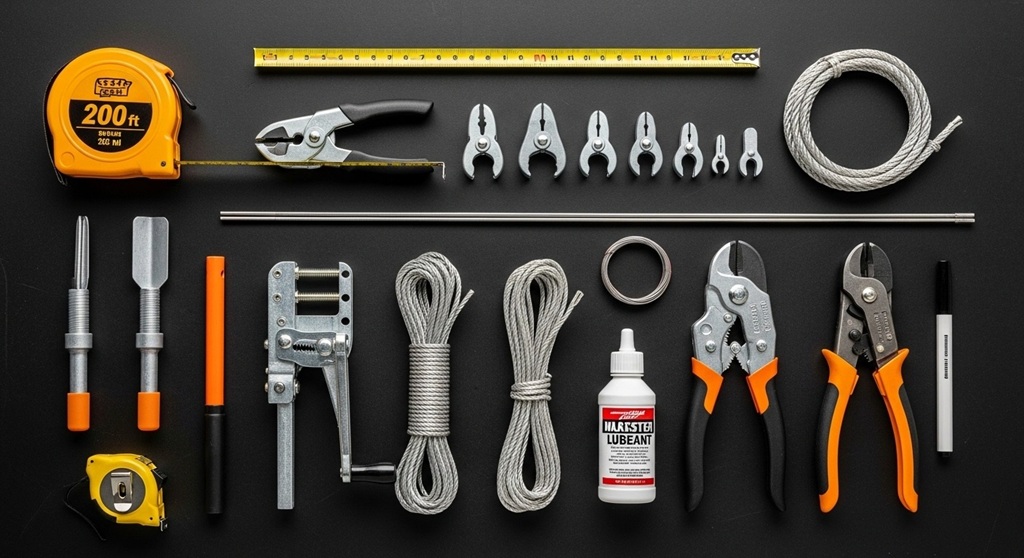

Essential conduit pulling tools are specialized equipment used to safely and efficiently pull electrical wires through conduit systems. These include mule tape, fish tape, cable pullers, conduit lubricant, pulling grips, and other wire pulling accessories designed to reduce friction, prevent cable damage, and improve job site productivity.
Pulling conductors through conduit sounds simple. But every electrician knows the reality. Tight bends. Long runs. Heavy feeders. Friction. Heat. Damaged insulation. Lost time.
One failed pull can cost hours. In commercial and industrial projects, that delay can impact deadlines and safety inspections.
That’s the problem.
The agitation? Using the wrong tools increases strain on cables, increases injury risk, and leads to failed inspections due to damaged insulation.
The solution? Investing in the right conduit pulling tools — selected based on conduit size, pull length, and load requirements.
This guide breaks down every essential tool, explains how they work, and shows how professionals optimize pulling operations for safety and efficiency.
Why Do Professional Electricians Need Specialized Conduit Pulling Tools?
Because friction, tension, and conduit bends increase pulling resistance beyond safe limits without proper equipment.
Electrical codes require conductor insulation integrity. Even minor abrasion can result in overheating or failure under load.
According to field case studies from commercial build-outs, improper pulling techniques increase cable damage rates by up to 30%. In long conduit runs exceeding 150 feet, tension levels can surpass manufacturer limits if not calculated properly.
Specialized tools help electricians:
- Reduce friction during long pulls
- Maintain proper tension within safe load ratings
- Prevent insulation damage
- Improve installation speed
- Reduce physical strain and injury risk
Without the right setup, productivity drops and liability increases.
What Is Mule Tape and Why Is Mule Tape Strength Rating Important?
Mule tape is a flat woven polyester pulling tape used to pull electrical conductors through conduit, and its strength rating determines how much load it can safely handle.
Mule tape is widely used in commercial electrical installations due to its low stretch and high tensile capacity. Unlike standard rope, it distributes tension evenly and resists twisting.
Understanding Mule Tape Strength Rating
The mule tape strength rating refers to its maximum tensile strength, usually measured in pounds (lbs).
- 1,250 lb mule tape – light residential pulls
- 2,500 lb mule tape – commercial branch circuits
- 6,000 lb+ mule tape – heavy feeder and industrial applications
Choosing the wrong rating risks tape failure mid-pull.
Why Professionals Prefer Mule Tape
- Low elongation under load
- Printed footage markings for measurement
- Lightweight and compact
- Moisture resistant
Compared to nylon rope, mule tape reduces twisting and improves control during long conduit pulls.
What Are the Best Pulling Rope Alternatives to Mule Tape?
Pulling rope alternatives include braided nylon rope, polypropylene rope, polyester rope, and composite pulling lines designed for specific job conditions.
While mule tape is common, certain scenarios require alternatives.
Common Pulling Rope Alternatives
| Material | Best Use | Pros | Limitations |
|---|---|---|---|
| Braided Nylon | General pulling | Flexible, strong | Higher stretch |
| Polypropylene | Temporary pulls | Lightweight, floats | Lower strength |
| Polyester Rope | Heavy-duty pulls | Low stretch, durable | Higher cost |
| Composite Pull Line | Long conduit runs | Balanced strength & flexibility | Limited availability |
Electricians choose pulling rope alternatives based on:
- Conduit length
- Number of bends
- Cable weight
- Environmental conditions
For heavy feeder pulls in industrial buildings, low-stretch polyester often performs better than polypropylene rope.
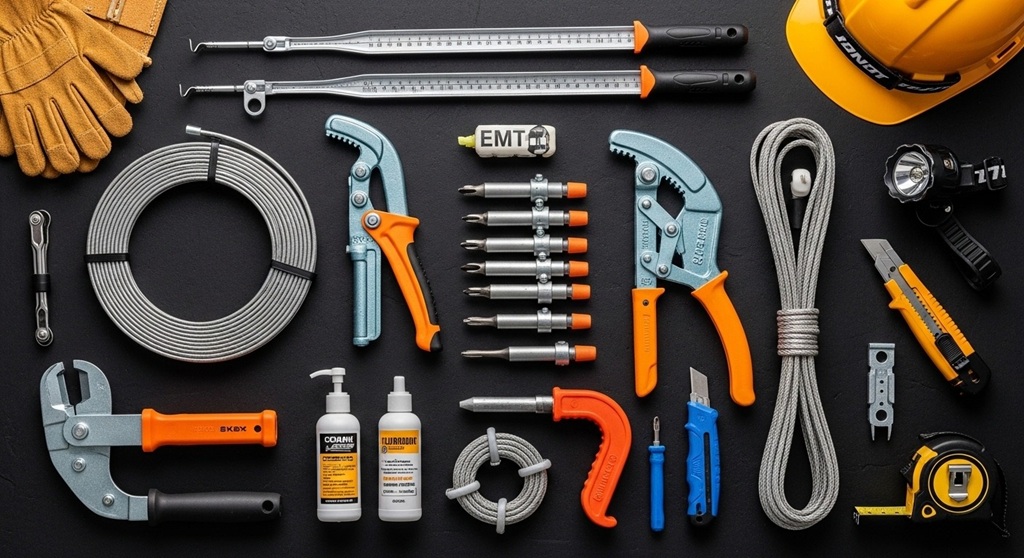
What Are the Most Important Wire Pulling Accessories?
Wire pulling accessories are supportive tools that reduce friction, guide cables, and ensure safe tension management during installation.
1. Fish Tape
Fish tape is used to route a pulling line through empty conduit before attaching conductors. Steel versions are rigid. Fiberglass types are non-conductive and safer in energized environments.
2. Conduit Lubricant
Lubricant reduces friction by up to 50% in long runs. It prevents insulation scraping and reduces pulling tension.
3. Pulling Grips (Cable Socks)
These mesh grips secure conductors to the pulling line. They distribute force evenly and prevent insulation damage at the connection point.
4. Swivel Connectors
Swivels prevent twisting of pulling rope and cable. Twisting increases tension and can damage conductors.
5. Cable Rollers and Sheaves
Used in vertical and large feeder pulls. They guide heavy cables and reduce drag at entry points.
6. Dynamometer
A tension measuring device. It ensures pulling force does not exceed manufacturer limits.
These wire pulling accessories are not optional in professional work. They are safety tools.
How Do Electricians Calculate Safe Pulling Tension?
Electricians calculate safe pulling tension using manufacturer load limits and conduit bend multipliers to avoid exceeding insulation stress ratings.
Pull tension depends on:
- Cable weight per foot
- Conduit length
- Number of bends
- Coefficient of friction
Example case study from a commercial warehouse installation:
- Run length: 220 feet
- 3 bends at 90 degrees
- 500 kcmil copper conductors
Initial tension exceeded safe limits without lubricant and roller guides. After applying lubricant and using a rated mule tape with swivel connectors, measured tension dropped by 28%, preventing conductor damage.
Data-driven planning prevents failures.
What Role Do Cable Pullers and Winches Play in Large Installations?
Cable pullers and winches provide controlled mechanical force for long or heavy conductor pulls.
Manual pulling works for short branch circuits. But industrial feeders require mechanical assistance.
Types of Pulling Equipment
- Hand-operated cable pullers
- Electric winches
- Hydraulic pullers
Modern pullers include digital tension monitoring. This prevents exceeding safe mule tape strength rating or conductor limits.
In data center installations, mechanical pullers reduce labor fatigue and improve safety compliance.
How Do Conduit Design and Layout Affect Pulling Tools Selection?
Conduit length, diameter, and bend count directly determine which pulling tools and accessories are required.
Longer runs increase friction. More bends increase sidewall pressure.
Best practices include:
- Limit total bends to 360 degrees between pull points
- Use pull boxes for long runs
- Pre-lubricate long conduit sections
- Select proper strength-rated pulling media
Ignoring conduit layout leads to failed pulls and damaged insulation.
What Safety Practices Should Electricians Follow During Wire Pulling?
Electricians should always verify load ratings, wear PPE, monitor tension, and use approved wire pulling accessories to prevent injury and equipment damage.
- Inspect mule tape for fraying
- Never exceed rated tensile capacity
- Keep hands clear of pinch points
- Communicate clearly during mechanical pulls
- Use gloves and eye protection
Injury reports from construction sites often involve improper pulling technique or overloaded rope failure.
Professional electricians treat pulling operations as controlled procedures — not brute-force tasks.
Conclusion: Are You Using the Right Conduit Pulling Tools?
Conduit pulling is not about strength. It is about control.
The right mule tape strength rating prevents mid-pull failures. The correct pulling rope alternatives ensure flexibility in complex installations. Quality wire pulling accessories reduce friction and protect conductor insulation.
Professionals do not guess. They calculate. They inspect. They use rated equipment.
If you are planning your next installation, review your pulling setup carefully. Evaluate tension loads. Choose the correct rated tape or rope. Use proper accessories.
For a detailed comparison of rated pull tapes and expert recommendations, explore this guide:
Best Mule Tape and Pull Tape Options.
Upgrade your pulling system. Protect your installation. Improve job site efficiency today.
Frequently Asked Questions (FAQs)
1. What is the difference between mule tape and pulling rope?
Mule tape is flat woven polyester with low stretch and printed footage markings. Pulling rope is typically round and may stretch more depending on material. Mule tape provides better load distribution.
2. How do I choose the correct mule tape strength rating?
Calculate total pulling tension based on cable weight, conduit length, and bends. Select a tape rated above the calculated maximum load for safety margin.
3. Are pulling rope alternatives safe for heavy feeders?
Yes, if properly rated. Polyester and composite ropes are suitable for heavy pulls when they meet required tensile capacity.
4. Why is conduit lubricant important?
Lubricant reduces friction and tension, protecting insulation and lowering required pulling force.
5. Can I reuse mule tape?
Yes, if it shows no signs of fraying or damage. Always inspect before reuse.
6. What are the most critical wire pulling accessories?
Fish tape, pulling grips, swivels, conduit lubricant, and tension measuring devices are essential for safe and efficient pulls.
Related Topic: How to Choose the Right King Bedroom Set on Sale
Read Next: How to Choose the Right Materials for your Drive