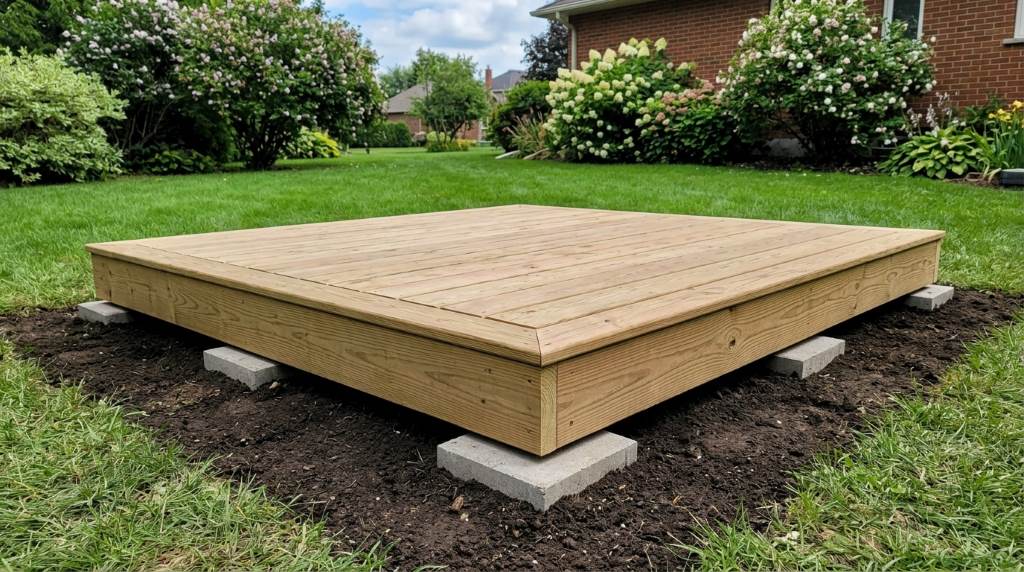

Many homeowners feel frustrated when a backyard platform that once looked level and sturdy suddenly begins to tilt, crack, or sink into the ground. In Denver, this problem appears more often than many people expect. Soil movement, changing moisture levels, and seasonal weather patterns can slowly weaken the ground beneath outdoor structures. According to the United States Geological Survey, soil expansion and contraction cause billions of dollars in property damage across the country each year. Meanwhile, data from the National Weather Service shows that Colorado regularly experiences periods of drought followed by intense precipitation, which places additional stress on residential landscapes. If you are researching platform stability or reviewing a deck joist repair guide, understanding why backyard platforms start sinking in Denver, CO can help you prevent larger structural issues in the future.
Understanding Why Backyard Platforms Start Sinking in Denver, CO
A backyard platform relies on stable soil and proper support systems. When either element fails, the structure can gradually settle unevenly. Denver presents unique challenges because of its climate and soil conditions. The region experiences significant temperature swings throughout the year. As a result, soil expands and contracts repeatedly.
Many homeowners invest in outdoor upgrades and explore ideas related to backyards potential innovative ideas without realizing that ground preparation matters just as much as the visible design. Even the most attractive platform can develop problems when the foundation below it lacks stability.
Although sinking often begins slowly, the warning signs become more obvious over time. Doors may stick, boards can separate, and surfaces may develop noticeable slopes. Therefore, identifying the underlying cause early can prevent extensive repairs later.
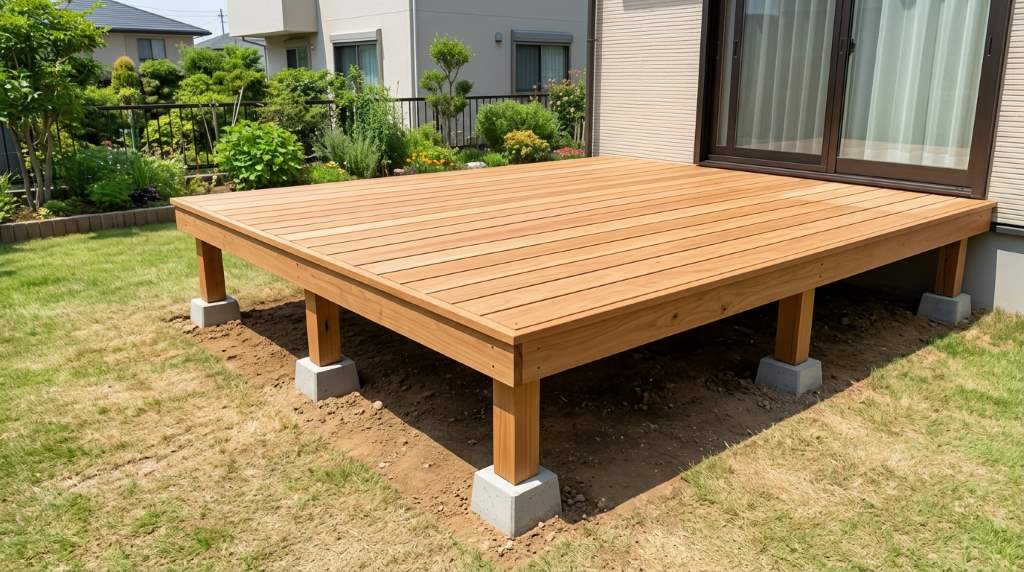
Common Signs of Platform Settlement
- Uneven walking surfaces
- Visible gaps between boards
- Tilting railings
- Pooling water after rain
- Cracks near support posts
- Loose connections between structural components
Expansive Clay Soil Creates Major Problems
One of the biggest reasons backyard platforms sink in Denver is expansive clay soil. This soil type absorbs water and swells significantly. However, when dry conditions return, the soil shrinks.
This repeated cycle creates movement beneath foundations and support posts. Consequently, platforms can shift upward during wet periods and settle downward during dry periods. Over several years, the structure may become noticeably uneven.
Homeowners planning ideas for renovating backyard spaces often focus on appearance first. Yet soil evaluation should remain a top priority because surface improvements cannot compensate for unstable ground conditions.
Why Clay Soil Moves So Much
Clay particles are extremely small and tightly packed. Because of their structure, they retain water efficiently. When moisture enters the soil, expansion occurs. Once moisture leaves, shrinkage follows. This constant movement creates pressure beneath support systems.
Long Term Effects on Backyard Platforms
Over time, support posts can lose alignment. Footings may settle unevenly. Structural connections experience stress. As a result, the entire platform can begin leaning in one direction.
Drainage Issues Accelerate Sinking
Water management plays a critical role in platform stability. Poor drainage allows excessive moisture to collect around footings and support posts. Consequently, the surrounding soil becomes weaker and less capable of supporting structural loads.
Many outdoor projects incorporate landscaping and creating a stunning backyard design features. However, improperly directed runoff can create hidden foundation problems beneath these improvements.
Even a small drainage issue can become serious over time. Water repeatedly flowing toward support areas gradually erodes soil and creates voids beneath footings. Once those voids form, settlement often follows.
Common Sources of Excess Water
- Improperly positioned downspouts
- Leaking irrigation systems
- Poor yard grading
- Heavy rainfall events
- Melting snow accumulation
- Blocked drainage paths
Therefore, homeowners should regularly inspect water flow patterns around outdoor structures.
Freeze and Thaw Cycles Affect Soil Stability
Denver experiences frequent temperature fluctuations throughout the year. During winter, soil moisture can freeze and expand. Later, warmer temperatures cause the ice to melt.
This freeze and thaw cycle creates movement beneath foundations. As the ground shifts, support posts and footings can become displaced. Eventually, some sections settle more than others.
Although the movement may appear minor during a single season, the cumulative effect becomes significant over many years. Consequently, platforms built without adequate frost protection face greater risks of sinking.
How Frost Heave Develops
Water trapped within soil expands when frozen. The expansion pushes soil upward. Once temperatures rise, the soil settles again. Unfortunately, the ground rarely returns to its exact original position. This gradual displacement contributes to uneven support conditions.
Poor Construction Practices Contribute to Settlement
Not every sinking platform results from environmental factors alone. Construction quality also plays a major role. When builders fail to account for local soil conditions, problems often emerge sooner.
For example, shallow footings may not reach stable soil layers. In addition, insufficient compaction during site preparation leaves loose soil beneath support structures.
Construction Mistakes That Increase Risk
- Installing footings above recommended depth
- Failing to compact soil properly
- Using inadequate support spacing
- Ignoring drainage requirements
- Building on disturbed soil without stabilization
As a result, even newer platforms can experience settlement issues when foundational elements lack proper engineering.
Drought Conditions Can Trigger Unexpected Movement
Many homeowners associate sinking with excess moisture. However, prolonged drought can create similar problems. During extended dry periods, clay soil contracts significantly.
This shrinkage leaves empty spaces beneath footings and support posts. Once support decreases, the structure may begin settling into the newly formed gaps. Therefore, both wet and dry conditions can contribute to sinking.
Denver’s climate frequently alternates between dry spells and intense storms. Consequently, soil experiences continuous cycles of expansion and contraction that challenge long term stability.
Tree Roots and Vegetation Influence Soil Conditions
Large trees located near platforms can affect surrounding soil moisture levels. Root systems absorb substantial amounts of water from the ground. As moisture decreases, nearby clay soil contracts.
In some cases, uneven moisture extraction creates differential settlement. One side of the platform remains stable while another side begins sinking.
Vegetation Related Warning Signs
- Large trees within close proximity
- Rapid soil drying near foundations
- Visible root growth near support posts
- Uneven settlement patterns
Because of these factors, landscape planning should always consider structural impacts as well as visual appeal.
How Homeowners Can Prevent Platform Settlement
Preventing sinking requires a proactive approach. Fortunately, several practical measures can reduce risk substantially.
Improve Drainage Around the Structure
Ensure that water flows away from support posts and footings. Proper grading helps prevent moisture accumulation that weakens soil.
Monitor Soil Moisture Levels
Maintaining relatively consistent moisture levels can reduce excessive soil expansion and contraction. Regular observation becomes especially important during drought periods.
Inspect Structural Components Annually
Routine inspections help identify early warning signs before major settlement occurs. Small adjustments often prevent larger repairs.
Address Minor Issues Quickly
When homeowners notice slight tilting or uneven surfaces, immediate action can prevent further movement. Delaying repairs typically allows the problem to worsen.
When Professional Evaluation Becomes Necessary
Some settlement issues require expert assessment. If sinking continues despite drainage improvements, a professional inspection can determine the root cause.
Engineers and foundation specialists can evaluate soil conditions, footing performance, and structural stability. Their recommendations often provide targeted solutions that address the source of movement rather than the symptoms.
Furthermore, early evaluation helps prevent secondary damage to railings, stairs, attached structures, and nearby landscaping.
Conclusion
Understanding why backyard platforms start sinking in Denver, CO begins with recognizing the powerful effects of soil movement, drainage conditions, climate patterns, and construction quality. Expansive clay soil, freeze and thaw cycles, drought, water accumulation, and vegetation all contribute to settlement problems. Fortunately, homeowners can reduce risk through proper drainage, regular inspections, and timely maintenance. If you notice signs of sinking, take action early rather than waiting for the issue to become severe. A careful evaluation today can protect your outdoor space and help keep your platform stable for years to come.
Frequently Asked Questions
Why do backyard platforms sink more often in Denver?
Denver’s expansive clay soil and changing weather conditions create frequent ground movement that affects platform stability.
Can heavy rain cause a platform to sink?
Yes, excessive moisture can weaken soil and create settlement around support footings.
Does drought contribute to platform sinking?
Yes, dry conditions can shrink clay soil and create gaps beneath structural supports.
How often should I inspect my backyard platform?
An annual inspection helps identify early signs of settlement and structural movement.
Can drainage improvements stop further sinking?
Proper drainage can reduce soil instability and help prevent additional settlement in many cases.