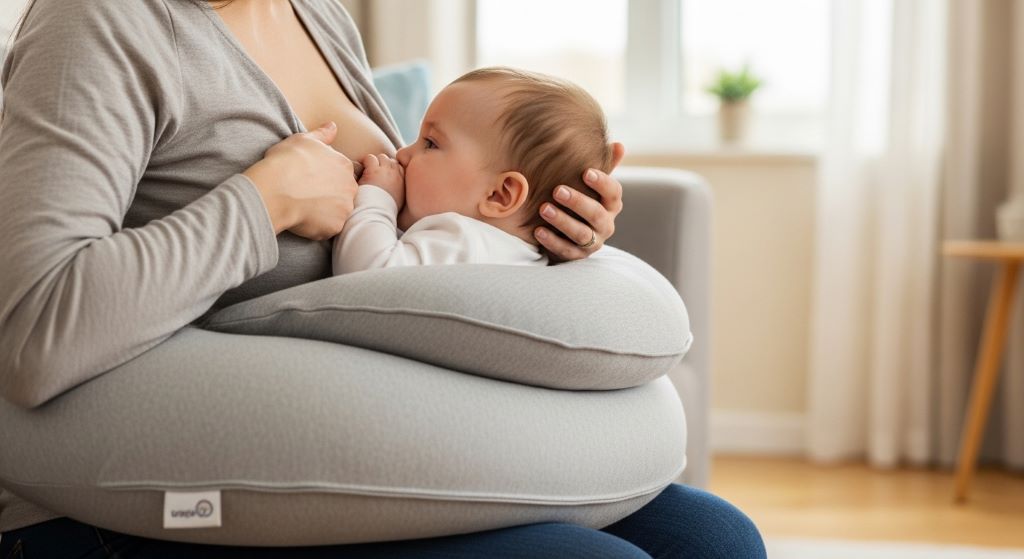

Breastfeeding is one of the most beautiful bonds between mother and baby, yet it can also be physically demanding. Many new mothers experience neck pain, back strain, and arm fatigue during nursing sessions that can last hours each day. Choosing the right pillow makes a significant difference in your comfort and your baby’s feeding experience.
The market offers countless options, from specialized nursing supports to versatile cushions that serve multiple purposes. Understanding what features matter most helps you make an informed decision that supports both you and your little one. This guide will walk you through everything you need to know about selecting pillows that make breastfeeding easier and more comfortable.
Understanding Why Nursing Pillows Matter
New mothers often underestimate how much time they’ll spend breastfeeding. Newborns nurse eight to twelve times daily, with each session lasting twenty to forty minutes. That adds up to several hours of holding your baby in position each day.
Without proper support, you’ll find yourself hunching over, straining your shoulders, and developing tension in your neck and back. These issues compound over weeks and months, potentially leading to chronic pain that affects your daily life beyond nursing.
A well-designed ergonomic nursing pillow elevates your baby to the correct height, allowing you to maintain good posture. This support reduces physical strain and lets you focus on bonding with your baby rather than managing discomfort. Additionally, proper positioning helps your baby latch correctly, which is crucial for successful breastfeeding.
Key Features to Look For
When shopping for nursing pillows, certain characteristics make a significant difference in functionality and comfort. Understanding these features helps you evaluate options effectively.
The firmness level is perhaps the most important consideration. A pillow that’s too soft will compress under your baby’s weight, failing to provide adequate support. Conversely, an extremely firm pillow might feel uncomfortable against your body. Look for medium-firm options that maintain their shape while offering some cushioning.
Height and thickness determine whether your baby reaches your breast at the right angle. Taller mothers generally need thicker pillows, while petite women do better with slimmer profiles. The pillow should bring your baby to breast level without requiring you to lean forward or lift your arms uncomfortably high.
Shape affects how the pillow wraps around your body and supports your baby. Traditional C-shaped designs fit around your waist, while newer styles include back support or extended arms for positioning flexibility. Consider what feels most natural for your body type and preferred nursing positions.
Cover materials should be removable and washable. Babies spit up, leak, and create messes regularly. Machine-washable covers make cleanup simple and help maintain hygiene. Look for fabrics that are soft yet durable enough to withstand frequent washing.
Fill materials range from polyester fiber to memory foam to natural materials like buckwheat hulls. Each has advantages. Polyester is lightweight and affordable. Memory foam conforms to your body. Natural fills breathe well but may be firmer. Choose based on your comfort preferences and any allergies.
Different Types of Nursing Pillows
The market offers several distinct pillow styles, each designed with specific benefits in mind. Understanding these categories helps narrow your search.
Traditional wraparound pillows are the most common type. They curve around your midsection, creating a stable platform for your baby. These pillows typically have a gap at the front where you sit, allowing them to stay securely in place. They work well for most nursing positions and often transition to tummy time support as your baby grows.
Full-body nursing pillows extend beyond simple waist support. They include sections that support your back and arms, creating a complete comfort system. While bulkier, they’re excellent for mothers who need comprehensive support or plan to use the pillow for bottle feeding and rest time.
Compact travel pillows prioritize portability over features. They’re smaller, lighter, and easier to carry but may sacrifice some support. These are perfect for mothers who frequently nurse away from home or have limited storage space.
Inflatable options offer ultimate portability. You can deflate them for travel and inflate when needed. However, they generally provide less support than foam-filled alternatives and may feel less stable.
Specialty pillows target specific needs, such as twins nursing simultaneously or mothers recovering from cesarean sections. These address unique situations but come at higher price points and may have limited versatility.
Safety Considerations for Baby Comfort
While your comfort matters, your baby’s safety must always come first. Certain features and practices ensure nursing pillows remain safe for your little one.
Never use a nursing pillow as a sleeping surface for your baby. These pillows aren’t designed for unsupervised infant sleep and can pose suffocation risks. Always move your baby to a safe sleep environment after nursing, following current safe sleep guidelines.
Check for proper certifications and safety standards. Reputable manufacturers test their products for harmful chemicals and materials. Look for certifications like CertiPUR-US for foam products or Oeko-Tex Standard 100 for fabrics, which indicate safety testing.
Inspect pillows regularly for wear and tear. Seams can split, fills can shift, and covers can develop holes. Replace pillows showing significant wear to prevent choking hazards from exposed filling or sharp edges from broken zippers.
Avoid pillows with small, detachable parts that could pose choking risks. Some decorative elements or adjustment mechanisms might seem convenient but create unnecessary safety concerns around infants.
Position your baby correctly on the pillow. Your baby should lie on their back or side facing you, never face-down on the pillow. The pillow supports your baby’s body, but you maintain control of their position throughout the feeding.
Evaluating Soft Baby Pillow Options
Beyond nursing-specific designs, some mothers incorporate soft baby pillow products into their feeding routine for additional comfort. However, these require careful consideration and proper use.
Small cushions can support your arm while holding your baby, reducing strain on your shoulder and elbow. These supplementary supports work alongside your main nursing pillow, addressing specific pressure points. They should be firm enough to provide meaningful support without being so soft that your arm sinks uncomfortably.
Babies themselves don’t need pillows during nursing or sleep. In fact, pillows in a baby’s sleep environment are dangerous for infants under twelve months. When people reference soft baby pillow products in nursing contexts, they typically mean small supports for the mother’s comfort or cushioning between mother and baby during extended holding periods.
If you use any additional cushioning, ensure it doesn’t interfere with your baby’s breathing or create gaps in positioning. The primary nursing pillow should provide the main support structure. Supplementary cushions serve only to enhance comfort in specific areas.
Materials for any pillow used around babies should be hypoallergenic and breathable. Natural fibers like cotton or bamboo help prevent overheating and reduce allergy risks. Avoid synthetic materials that trap heat or emit strong chemical odors.

Matching Pillows to Your Nursing Style
Different mothers prefer different nursing positions, and the best pillow for you depends on how you typically feed your baby. Consider your habits when making a selection.
Cradle hold is the most traditional position, with your baby lying across your front. This position works well with most nursing pillow styles, particularly wraparound designs that support your baby’s entire body length.
Football hold positions your baby along your side, tucked under your arm. This hold requires a pillow with firm sides and adequate length to support your baby from head to feet. Mothers of twins often use this position to nurse both babies simultaneously.
Side-lying position lets you nurse while lying down, which is helpful during nighttime feedings or when you need rest. While you might not use a nursing pillow in this position, some mothers find a small cushion behind their back provides support and prevents rolling.
Upright or laid-back positions work well for babies with reflux or strong let-down. These positions may require different pillow configurations. Some mothers stack regular bed pillows behind themselves and use a nursing pillow primarily for arm support.
Consider whether you’ll primarily nurse in one location or move around your home. Portable pillows make sense if you nurse in different rooms, while heavier, more supportive options work better if you have a dedicated nursing spot.
Additional Features Worth Considering
Beyond basic support, several extra features enhance convenience and extend your pillow’s usefulness. Evaluate which matter most for your situation.
Pockets and storage compartments keep essentials within reach. Small pockets can hold your phone, remote control, or nursing supplies. This convenience prevents you from needing to stand up repeatedly during feeding sessions, which is especially valuable during nighttime nursing.
Adjustable sizing accommodates different body types and grows with your baby. Some pillows include removable inserts or adjustable straps that let you customize the fit. This flexibility helps the pillow remain useful as your baby grows and feeding positions evolve.
Multi-use designs serve purposes beyond breastfeeding. Many nursing pillows transition to tummy time supports, sitting assistance for older babies, or reading pillows for toddlers. This extended usefulness justifies the investment and reduces clutter from single-purpose items.
Strap systems help keep the pillow secured around your waist. While not essential, straps prevent the pillow from shifting during nursing, which is particularly helpful when nursing active or older babies who move around frequently.
Color and pattern choices might seem purely aesthetic, but they affect your daily experience. Choose colors that won’t show stains easily or patterns that bring you joy. You’ll spend significant time with this pillow, so picking something you find attractive makes sense.
Price Points and Value Assessment
Nursing pillows range from budget-friendly options under thirty dollars to premium models exceeding one hundred dollars. Understanding what you get at different price levels helps you make a smart investment.
Budget options typically offer basic support with simple designs and standard materials. They’re adequate for mothers who nurse for shorter periods or need a backup pillow for travel. However, they may compress quickly or lack the durability for extended daily use.
Mid-range pillows usually provide better quality materials, more thoughtful designs, and improved durability. They often include features like removable covers and moderate versatility. This range offers the best value for most mothers planning to breastfeed for several months.
Premium pillows deliver superior comfort, innovative designs, and exceptional durability. They often incorporate high-quality memory foam, organic materials, or unique shaping that addresses specific comfort issues. The higher price makes sense for mothers committed to extended breastfeeding or those with particular physical needs.
Consider the cost per month of use rather than just the upfront price. A seventy-dollar pillow used daily for twelve months costs less than six dollars monthly. Compare this to replacing a twenty-dollar pillow three times during the same period.
Factor in resale value if you plan to have multiple children. Quality nursing pillows maintain their condition and can be reused for subsequent babies or sold secondhand. This extends the value of your initial investment.
Making Your Final Decision
With so many options available, choosing the right pillow can feel overwhelming. However, following a systematic approach simplifies the decision.
Start by identifying your must-have features based on your body type, nursing preferences, and lifestyle. Create a list of non-negotiables versus nice-to-have features. This clarity helps you evaluate options objectively rather than being swayed by marketing or appearance.
Read reviews from other mothers with similar circumstances. Pay attention to comments about durability, comfort over extended use, and how well the pillow maintained its shape. Look for reviews mentioning your specific situation, such as tall mothers, small-framed women, or mothers of multiples.
Test pillows in person whenever possible. Bring your baby if shopping after birth, or simulate holding a baby-sized object to gauge the pillow’s height and comfort. Notice whether the pillow stays in place, feels stable, and positions comfortably around your body.
Check return policies before purchasing. Many retailers offer generous return windows for baby products. This safety net lets you try the pillow at home during actual nursing sessions, ensuring it meets your needs before you’re committed.
Consider buying during pregnancy rather than waiting until after birth. This gives you time to familiarize yourself with the pillow and adjust to using it. Additionally, you can use many nursing pillows for comfortable pregnancy sleep support.
Conclusion
Selecting the best pillow for breastfeeding significantly impacts your comfort and nursing success. An ergonomic nursing pillow provides essential support that prevents pain and fatigue while helping your baby latch correctly. Understanding the key features, safety considerations, and different pillow types available helps you make an informed choice.
Remember that the right pillow matches your body type, nursing style, and lifestyle needs. While soft baby pillow products might supplement your setup, a quality nursing pillow forms the foundation of comfortable feeding sessions. Consider features like firmness, shape, washability, and versatility when evaluating options.
Don’t hesitate to invest in quality. The hours you’ll spend using this pillow justify choosing one that truly supports your needs. Whether you select a traditional wraparound design, a full-body system, or a compact travel option, prioritize both your comfort and your baby’s safety.
With the right pillow supporting you and your baby, breastfeeding becomes a more comfortable, enjoyable experience that strengthens your bond while protecting your physical wellbeing throughout this precious time.
Frequently Asked Questions
When should I start using a nursing pillow?
You can start using a nursing pillow immediately after birth. Many mothers find them helpful from the very first feeding. However, some prefer to wait a few days until their milk comes in and they’ve established a basic nursing routine. You can also use nursing pillows during late pregnancy for comfortable sleep positioning, making them familiar before you need them for feeding.
How do I clean my nursing pillow properly?
Most nursing pillows have removable, machine-washable covers. Wash these weekly or whenever soiled, using gentle detergent and warm water. The inner pillow usually cannot be fully submerged. Spot clean it with mild soap and water, then air dry thoroughly. Some pillows have removable inserts that can be washed separately. Always follow the manufacturer’s specific care instructions.
Can I use a regular bed pillow instead of a nursing pillow?
While possible, regular bed pillows don’t provide the same level of support as nursing-specific designs. They compress unevenly, shift position easily, and don’t maintain the correct height. You might need to stack multiple pillows and constantly adjust them. For occasional use, regular pillows work in a pinch. However, for daily nursing sessions, a dedicated nursing pillow offers significantly better support and comfort.
How long will I use my nursing pillow?
Most mothers use nursing pillows throughout their entire breastfeeding journey, which averages six to twelve months but can extend much longer. Additionally, many nursing pillows transition to other uses. They support babies during tummy time, help them learn to sit, and even serve as reading pillows for toddlers. This extended usefulness often spans two to three years.
Are expensive nursing pillows worth the extra cost?
The value depends on your specific situation. If you plan to breastfeed for an extended period, nurse multiples, or have physical issues like back pain, a higher-quality pillow often proves worth the investment. Premium pillows typically offer better support, more durable materials, and longer-lasting comfort. However, mid-range options provide excellent value for most mothers. Assess your individual needs and budget when deciding.
Related Topics:
How to Choose an Orthopedic Pillow for Kids with Neck Support
Best Ergonomic Bath Pillows for Neck and Back Support