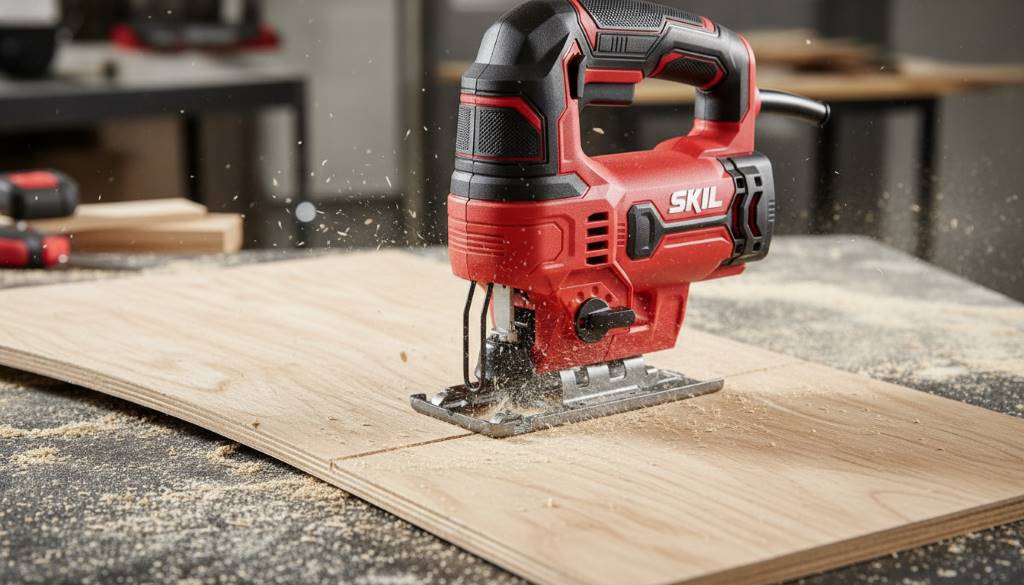

Imagine you start a weekend project. You need to cut smooth curves in plywood for a custom shelf. A tangled cord limits your movement and frustrates every turn. Now picture total freedom with a powerful cordless tool that follows your lead. An 18V jigsaw delivers that experience. This compact jigsaw runs on battery power and handles detailed work with ease.
Moreover, the cordless power tools market grows rapidly. It reached over USD 12 billion in 2024 and projects a 6.6% annual growth rate through 2034, according to industry reports. In the US alone, the sector expands from USD 5.84 billion in 2023 to nearly USD 8 billion by 2029. Homeowners and pros alike choose these tools for mobility and performance.
For instance, a solid battery powered jigsaw fits many needs perfectly. This guide helps you navigate options. You learn essential features and top picks. Soon you select the ideal cordless cutting tool for your space.
Why Choose an 18V Jigsaw Over Corded Models?
Corded jigsaws offer steady power. However, they tie you to an outlet. An 18V model eliminates that restriction. You move freely around your garage or job site.
Additionally, modern 18V batteries match or exceed older corded performance. Brushless motors boost efficiency. They deliver longer runtime and more cuts per charge.
Furthermore, these tools stay lightweight. Most weigh under 6 pounds with battery. That reduces fatigue during extended sessions. For home users, this means easier handling on ladders or tight spots.
Pros turn to them too. Workshops benefit from no cords tripping teams. Quick setup speeds workflows.
In short, an 18V jigsaw blends power and convenience. It suits beginners building furniture and experts tackling renovations.
Understanding Jigsaw Basics for Better Choices
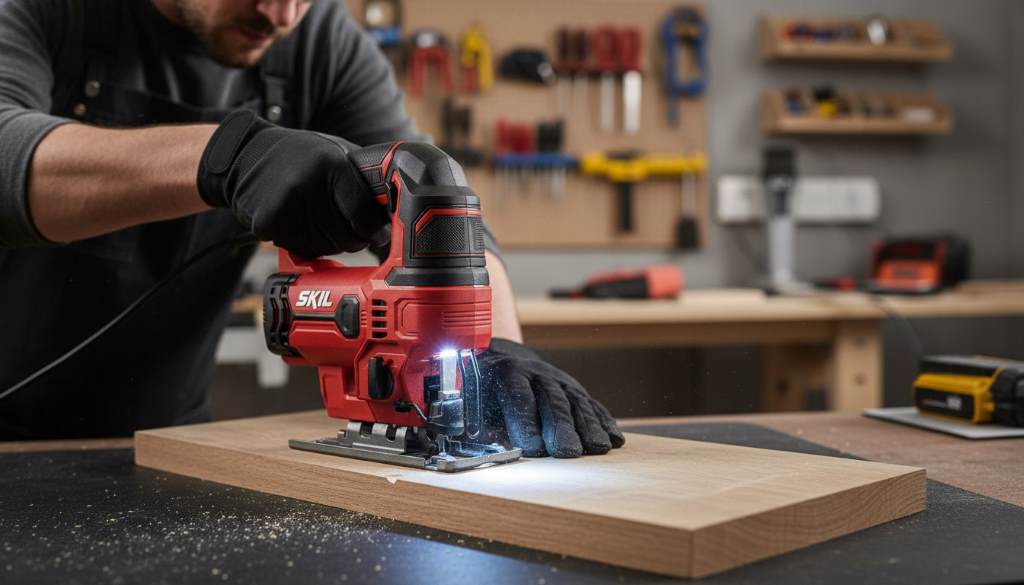
A jigsaw cuts intricate shapes. Its thin blade moves up and down rapidly. You guide it freehand for curves or straight lines with guides.
Moreover, 18V refers to battery voltage. Higher voltage often means more torque for tough materials like hardwood or metal.
However, balance matters. Too much power in a small frame causes vibration. Good designs control that for cleaner results.
Additionally, orbital action adds side-to-side blade swing. It speeds aggressive cuts in wood. Turn it off for smooth metal work.
For example, many users start with simple plunge cuts. Practice reveals how settings change outcomes. This knowledge guides your purchase.
Key Features to Look For in an 18V Jigsaw
Select the right tool by focusing on practical elements. Each feature impacts daily use.
First, check strokes per minute (SPM). Top models reach 3,000 to 3,200 SPM. Variable speed triggers let you adjust on the fly. Slow starts prevent tear-out in delicate veneers.
Next, consider orbital settings. Four positions offer versatility. Position zero gives fine finishes. Higher settings clear chips faster in thick stock.
Furthermore, tool-free blade changes save time. T-shank blades lock securely. Quick release prevents burns from hot blades.
LED lights illuminate cut lines. Dust blowers keep them visible. Some models add laser guides for extra precision.
Ergonomics play a big role. Barrel grips suit close control. D-handle styles feel familiar to circular saw users.
Battery compatibility expands value. Stick with one ecosystem for shared chargers.
Finally, low vibration extends comfort. Anti-vibe systems make long sessions easier on hands.
Grip Styles: Barrel vs Top-Handle Designs
Choose between two main grips. Each suits different tasks.
Barrel grip places your hand directly above the blade. You achieve better leverage for detailed scrolling. Pros often prefer this for accuracy.
In contrast, top-handle (D-handle) offers natural control. It mimics other saws. Beginners find it intuitive for straight cuts.
However, test both if possible. Comfort varies by hand size and project type.
Additionally, some brands excel in one style. Milwaukee shines with barrel options. DeWalt balances both well.
For home use, top-handle often wins for simplicity. Workshops lean toward barrel for precision work.
Power and Performance Factors
Power comes from motor and battery combo. Brushless motors dominate 2025 models. They run cooler and last longer.
Moreover, amp-hour ratings matter. A 5Ah battery outlasts 2Ah packs. Heavy users benefit from high-capacity options.
Stroke length affects speed. One-inch strokes appear standard. Longer strokes cut faster in thick materials.
For instance, cutting 2-inch hardwood tests real capability. Top tools maintain speed without bogging.
However, balance power with control. Excessive force causes wander in curves.
Real-world tests show Milwaukee and DeWalt leading aggressive cuts. Makita follows closely with smooth delivery.
Top 18V Jigsaw Recommendations for 2025
Several models stand out based on recent reviews.
Milwaukee M18 Fuel leads with power. Its brushless motor hits high SPM with minimal vibration. Users praise straight tracking and runtime.
DeWalt 20V Max XR (compatible with 18V systems) earns best overall in many tests. Excellent vibration control and four-position orbital action shine.
Makita 18V LXT delivers reliability. Quiet operation and precise cuts appeal to finish carpenters.
Ryobi ONE+ 18V provides strong value. This compact jigsaw handles home projects well. Reduced vibration improves control for DIY tasks.
Bosch adds premium options. Barrel grips and consistent power suit demanding users.
Additionally, Ridgid and Metabo HPT offer competitive features. Choose based on your existing batteries.
Comparing Major Brands Head-to-Head
Brand ecosystems influence decisions.
Milwaukee excels in raw power. Fuel line tools cut fastest in thick stock. However, they carry premium weight.
DeWalt balances performance and ergonomics. XR series controls vibration better than most.
Makita focuses on smoothness. Lower noise and refined feel attract detail-oriented users.
Ryobi targets homeowners. Affordable entry matches ONE+ battery collections. Performance satisfies occasional needs.
For workshops, Milwaukee or DeWalt often win. Home garages appreciate Ryobi or Makita versatility.
Moreover, warranty and service matter. All major brands support tools well.
Related:
Installing a Door Frame Made Easy: Tools, Tips, and Techniques
How to Fix Uneven Closing on Solid Wood Interior Doors
Best Options for Home DIY Projects
Home users prioritize ease and safety.
Lightweight models reduce strain. Ryobi and basic Makita fit this perfectly.
Variable speed helps beginners. Start slow to master control.
Additionally, integrated dust ports connect to shop vacuums. Cleaner workspaces matter in home settings.
Compact designs store easily. Cordless freedom reaches outdoor projects.
For example, building garden boxes or kids’ furniture benefits from maneuverability.
Choose 4Ah batteries for weekend sessions. They provide ample runtime without excess weight.
Heavy-Duty Choices for Workshop Professionals
Pros demand durability.
Higher SPM and robust builds handle daily use. Milwaukee Fuel and DeWalt XR lead here.
Brushless motors withstand dust better. Sealed designs extend life.
Furthermore, quick blade changes speed production. Tool-free systems shine under pressure.
Metal gear cases resist drops. Reinforced bases maintain accuracy.
High-capacity batteries (8Ah+) power through long days. Fast chargers minimize downtime.
In short, invest in pro lines for intensive work.
Essential Safety Practices
Safety prevents accidents.
Always wear eye protection. Dust and chips fly unpredictably.
Secure workpieces firmly. Clamps stop movement.
Moreover, keep fingers clear of blade path. Use push sticks for small pieces.
Let blades stop fully before setting down. This avoids unintended starts.
Check batteries for damage. Proper storage extends life and safety.
Additionally, work in ventilated areas. Masks reduce dust inhalation.
Follow manufacturer guidelines. They cover specific features.
Maintenance Tips for Longevity
Proper care keeps tools performing.
Clean dust blowers regularly. Clear ports maintain visibility.
Moreover, wipe bases after use. Resin buildup affects accuracy.
Store in dry places. Protect batteries from extreme temperatures.
Check blades for wear. Dull ones strain motors.
Lubricate moving parts occasionally. Some models need minimal oil.
Furthermore, inspect cords and connections. Though cordless, chargers matter.
Regular maintenance saves money. Tools last years with attention.
Getting Started with Your New Jigsaw
Practice builds confidence.
Start with scrap wood. Test speeds and orbital settings.
Mark lines clearly. Follow slowly at first.
Additionally, use proper blades. Wood blades differ from metal ones.
Support large pieces. Prevent binding at cut ends.
Plunge cuts require care. Drill starter holes for interiors.
Soon patterns become second nature. Projects finish faster and cleaner.
Conclusion
Picking the best 18V jigsaw matches your needs to key features. Consider power, comfort, and battery system. Top brands deliver reliable options for every user.
Assess your projects honestly. Home DIY favors value and ease. Workshops demand durability.
Now take action. Review your current tools. Choose an 18V model that fits your workflow. Start cutting with freedom and precision today.
FAQs
What makes 18V the sweet spot for jigsaws?
18V balances power and weight perfectly. It delivers enough torque for most materials without overwhelming size. Higher voltages add bulk that hinders detailed work.
How long do 18V jigsaw batteries last per charge?
Runtime varies by task and battery size. Light cuts with 4Ah packs last 30-45 minutes. Aggressive work shortens this. Always keep spares ready.
Can 18V jigsaws cut metal effectively?
Yes, with proper blades. Use bi-metal blades for steel. Reduce speed and orbital action. Apply cutting oil for best results.
Barrel grip or top-handle: which is better?
It depends on preference. Barrel offers precise control for curves. Top-handle feels natural for general use. Try both when possible.
How do I achieve splinter-free cuts?
Use down-cut blades or tape. Score lines first. Support material underneath. Slow speed and zero orbital help greatly.
References
- WOOD Magazine Cordless Jigsaws Review: https://www.woodmagazine.com/tool-reviews/jigsaws/cordless-curve-cutters
- Pro Tool Reviews Best Cordless Jigsaw: https://www.protoolreviews.com/best-cordless-jigsaw-reviews
- Bob Vila Best Jigsaws Tested: https://www.bobvila.com/reviews/best-jigsaws-2025
- Global Market Insights Cordless Power Tools Report: https://www.gminsights.com/industry-analysis/cordless-power-tools-market