
Key Takeaways
- Regular inspections help detect minor issues before they escalate into major problems.
- Preventative maintenance can significantly reduce the risk of water damage and associated repair costs.
- Maintaining your plumbing system enhances its efficiency and extends its lifespan.
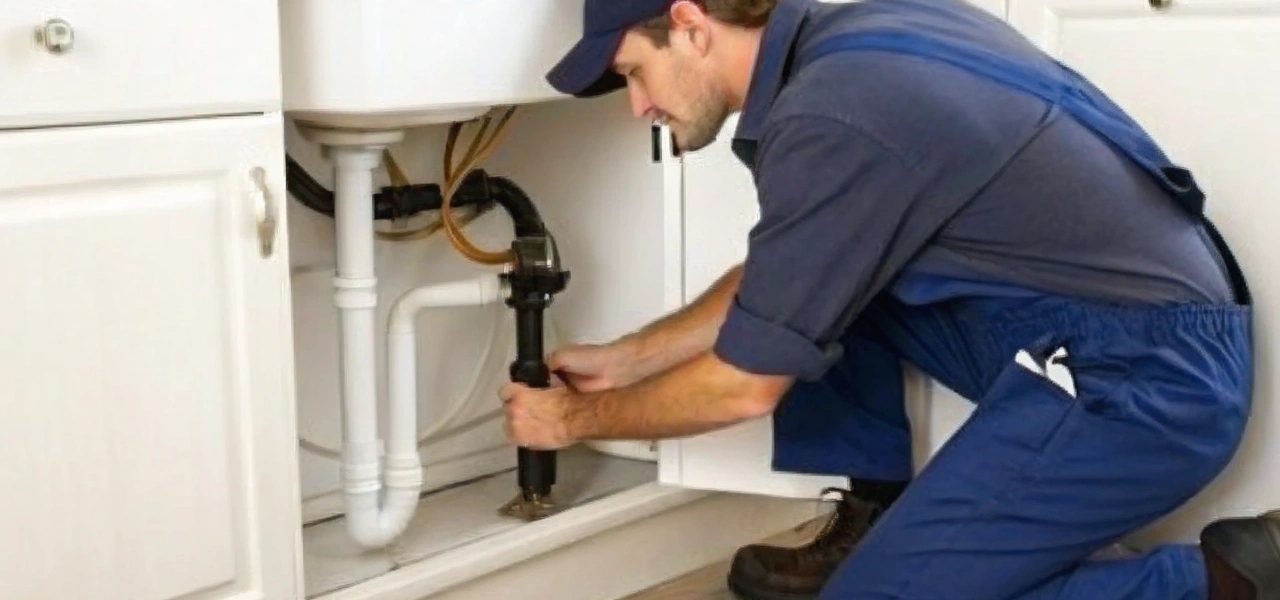
For many homeowners, maintaining a safe and comfortable living environment depends on the consistent reliability of home systems, including plumbing. Routine upkeep reduces the risk of sudden malfunctions, minimizes repair costs, and preserves property value. Regular plumbing maintenance helps you identify hidden issues, keep your household running smoothly, and avoid unnecessary disruptions.
Plumbing issues can be disruptive and costly, yet they are often preventable with scheduled maintenance. By taking a proactive approach, you reduce the risk of major damage and maintain your peace of mind, knowing that experts have assessed your system. Plumbing inspections should be more than an afterthought—they should be routine for every homeowner.
As part of your home’s foundation, the plumbing system endures daily use and natural wear over time. Ignoring early warning signs, such as minor leaks or slow drains, may lead to more severe complications. Regular maintenance not only prevents emergencies but also enhances overall water efficiency in the home.
Beyond safeguarding the property’s structure, proper plumbing care also reduces the risk of health hazards, such as mold growth or contaminated water. Enlisting a professional plumber ensures your maintenance routines are thorough and compliant with local codes. Homeowners who prioritize these measures experience greater long-term satisfaction and fewer unexpected repairs.
Early Detection of Leaks
Small leaks, if left unchecked, can escalate into significant water damage issues. Regular plumbing maintenance checks help spot leaks before they become disasters. The Environmental Protection Agency (EPA) estimates that the average household leak can waste nearly 10,000 gallons of water annually, resulting in substantial financial and environmental costs. Timely intervention means fewer headaches and reduced risk of mold or rot developing in concealed areas of your home.
Preventing Clogs and Blockages
Clogged drains rank among the most common household plumbing concerns. These blockages, often caused by accumulated debris, grease, or foreign objects, can result in slow draining water or dangerous backups. Routine cleaning and inspections keep your water moving freely and prevent emergency overflows that can damage flooring and drywall. Preventive measures go a long way in extending the life of your piping system.
Maintaining Water Pressure
Consistent water pressure is a sign of a well-functioning plumbing system. Fluctuations or drops in pressure often indicate deeper issues, such as leaks, mineral buildup, or malfunctioning valves. Periodic checks during maintenance ensure that pressure regulators and shutoff valves are working properly. Consistent pressure not only makes everyday tasks easier but also minimizes the risk of unexpected bursts or system failures. Preventive, professional evaluation secures the integrity of your plumbing network.
Extending Appliance Lifespan
Major appliances such as dishwashers, washing machines, and water heaters depend on an uninterrupted and clean water supply. Regular plumbing maintenance removes sediment buildup, maintains optimal water quality, and ensures a consistent flow. This care directly impacts the longevity and efficiency of each appliance, reducing energy bills and the frequency of costly replacements over time.
Avoiding Water Damage
Water damage can compromise the structural integrity of your home. From warped floors to stained ceilings and weakened foundations, the aftermath can be extensive. Routine plumbing inspections address vulnerabilities before leaks or overflows occur, preventing costly restoration projects. Early attention also diminishes the likelihood of hazardous mold, which can spread rapidly after water intrusion and jeopardize indoor air quality.
Ensuring Compliance with Standards
Homeowners are responsible for ensuring that plumbing systems align with current codes and regulations. Updates to standards may occur, and unpermitted or outdated systems can lead to legal or insurance issues. Regular checkups, conducted by experienced professionals, confirm compliance with local requirements and reduce liability. Not only does this protect your investment, but it also ensures the health and safety of your household.
Cost Savings Through Preventive Care
Preventive plumbing care is an investment with tangible returns. Annual maintenance usually costs between $150 and $300, while major repairs can easily escalate, with a burst pipe or severe leak costing thousands of dollars. By staying on top of maintenance schedules and repairs, homeowners avoid emergency service fees, extend the lifespan of pipes and appliances, and protect the resale value of their property.
In summary, prioritizing routine plumbing maintenance offers homeowners peace of mind and significant long-term savings. Proactive measures today are the surest way to avoid inconvenient disruptions and safeguard your home’s overall value.
Conclusion
In the end, regular plumbing maintenance is one of the most practical ways to protect your home, finances, and overall quality of life. From detecting leaks early to preventing clogs, maintaining steady water pressure, and extending the life of essential appliances, each proactive step helps avoid larger, more expensive problems down the line.
Beyond convenience, consistent upkeep also safeguards your property from water damage and ensures compliance with current standards, reducing potential legal or insurance complications. While maintenance requires a modest investment, it delivers significant long-term savings and peace of mind. By staying proactive and addressing small issues before they escalate, homeowners can preserve the efficiency, safety, and value of their plumbing systems for years to come.